15 Wedding Trends That Will Define 2026
The 2026 wedding trends shaping bridal style, from basque-waist gowns and lace to the dresses, details, and celebrations brides are choosing now.
2026 wedding trends
1. Basque-Waist Wedding Dresses
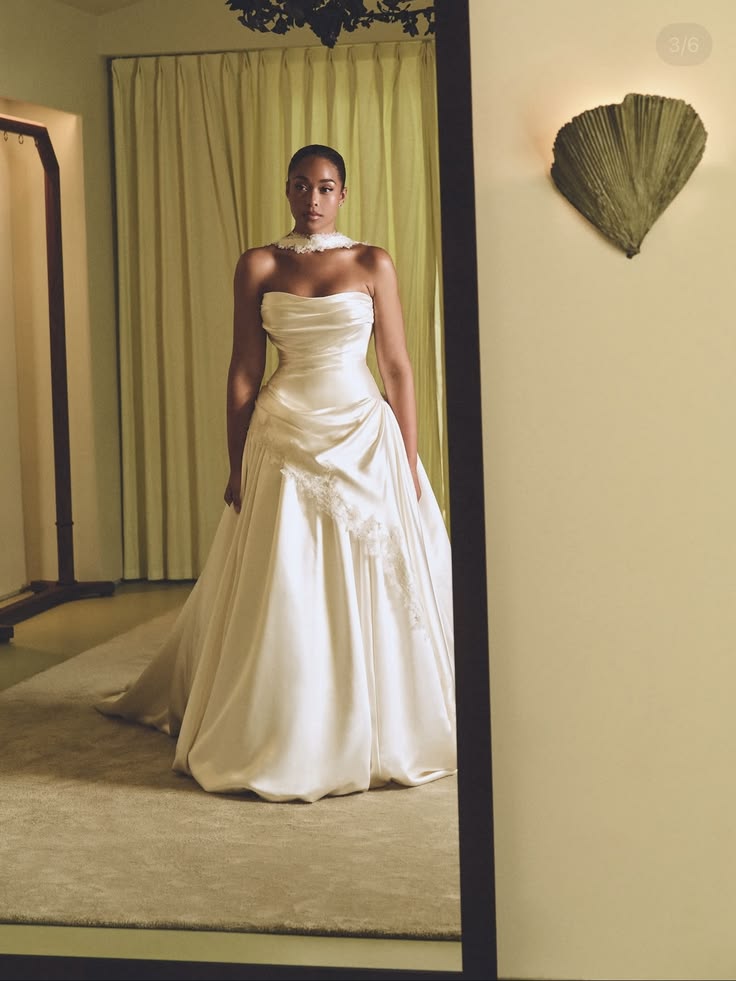
The waistline on a wedding dress can change the entire silhouette. A basque waist drops below the natural waist before opening into the skirt, giving the bodice a longer, more deliberate shape.
I like it most on a gown that doesn’t pile on too many other details. A plain satin dress with a basque waist has enough shape on its own. Add lace and a full skirt, and it starts to feel much more romantic. The same construction can take the dress in completely different directions depending on what surrounds it.
2. Serpentine Aisles
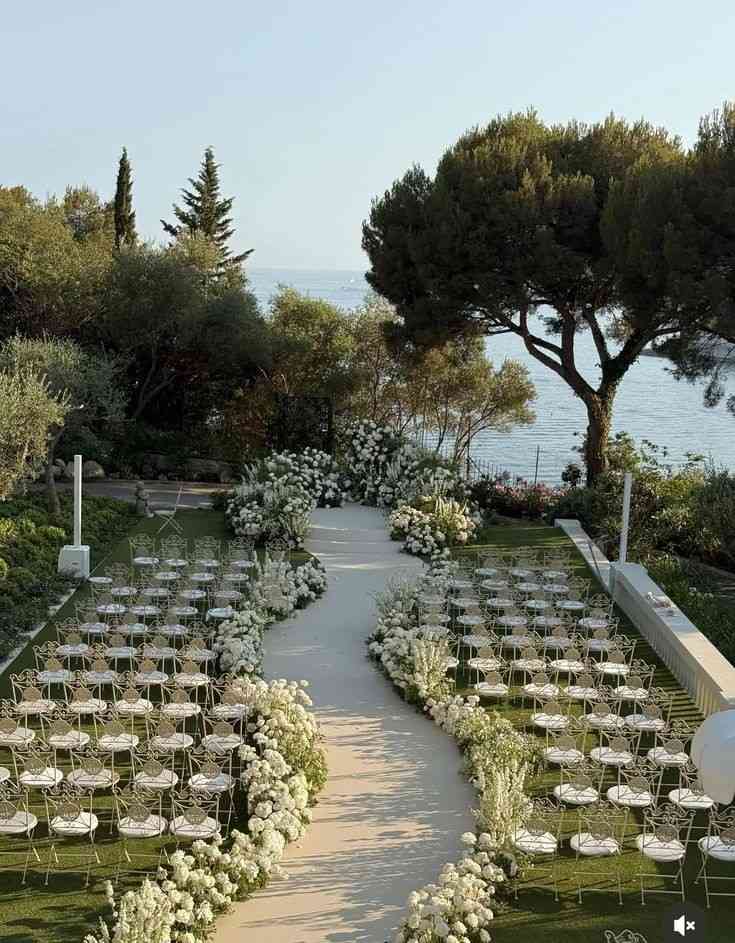
Here is something much more beautiful about not seeing the bride’s entire walk at once. A serpentine aisle winds through the ceremony space, so the entrance unfolds gradually rather than beginning with one long, perfectly straight line toward the altar.
It also gives the ceremony a different relationship with its surroundings. Through a garden, the path can weave between trees and flowers, on a lawn, it can follow the shape of the landscape. Even indoors, a curved aisle can make a large space feel less formal and more intimate.
And I would resist the urge to decorate every turn. The curve is already the detail. A few flowers along the path, or even just the setting itself, can be enough.
3. Makeup That Still Looks Like You
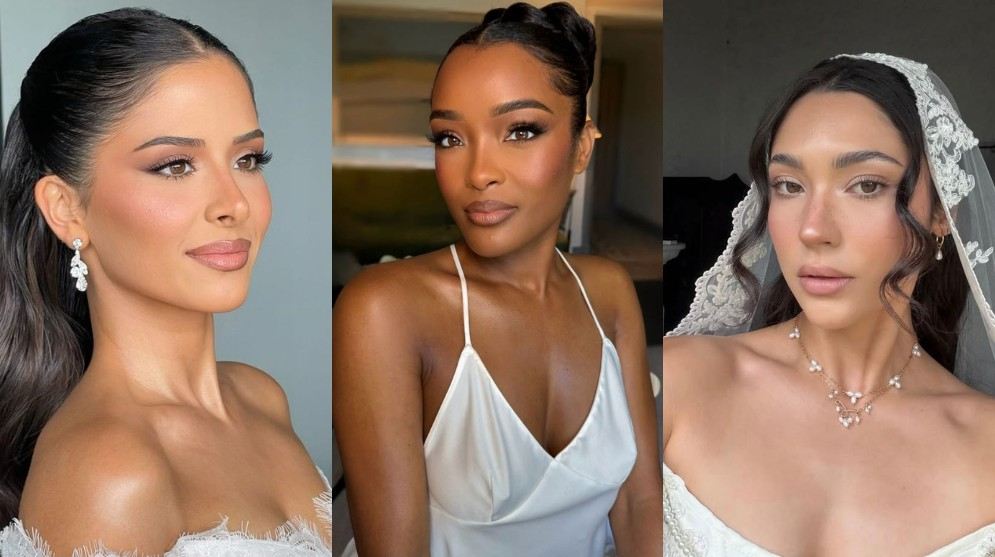
The heavily perfected bridal face is starting to feel less necessary. For 2026, makeup is leaving more of the bride’s actual skin visible, with sheer coverage, softly defined eyes and cream products that keep the face looking like skin rather than a layer of makeup.
The difference is subtle but noticeable in photographs. Instead of a sharp line separating contour, blush and highlight, the tones melt into one another. Brown, taupe and muted rose around the eyes keep the face defined without making the makeup the first thing you notice.
4. Exposed Corsetry
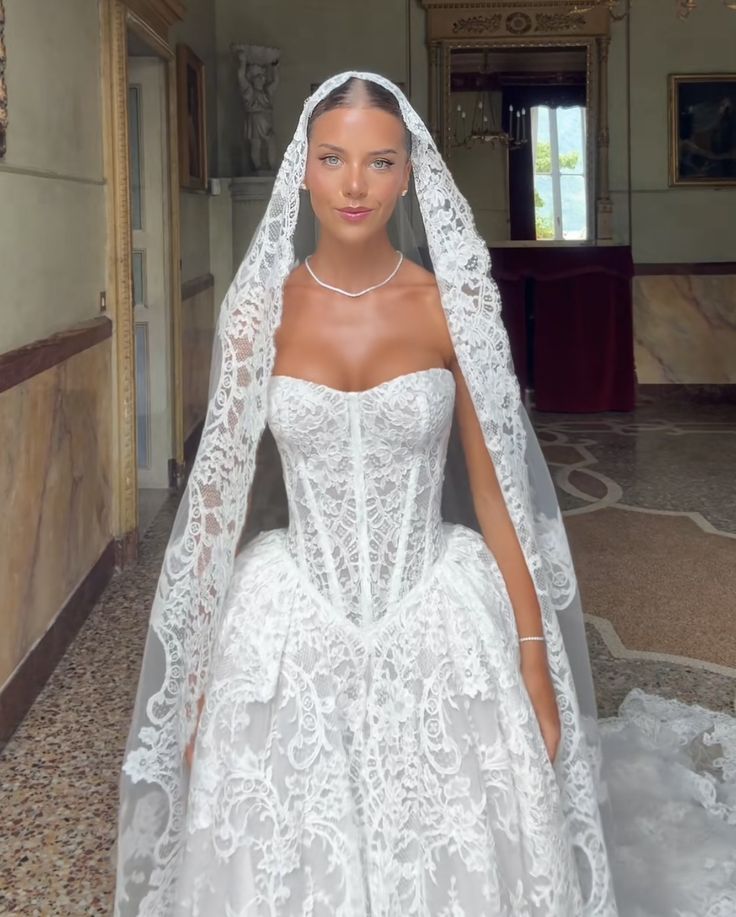
Corsetry has always had a place in wedding dresses, but the 2026 collections are making the construction itself more visible.
Instead of hiding every seam and piece of boning beneath layers of fabric, designers are allowing corset lines and structured bodices to become part of the design. The Knot’s current bridal coverage specifically notes exposed corsetry and long-line corsets among the directions seen in recent collections.
It also gives a bride another option if she wants something fitted without choosing a completely body-hugging gown.
5. Bows on the Bodice
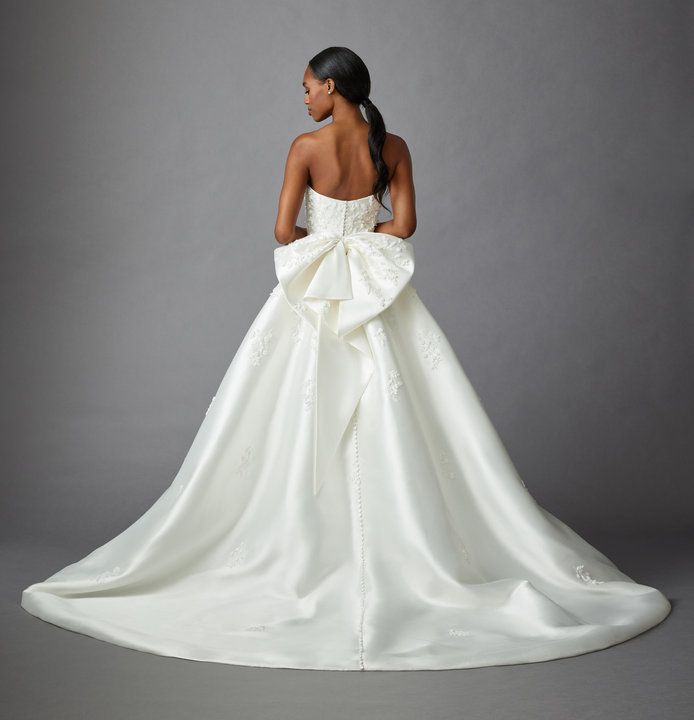
The reception dress has become a real part of bridal dressing rather than a novelty reserved for the most fashion-conscious bride.
Short dresses, tea-length silhouettes and minis are giving brides an option for the part of the wedding when a long train becomes less appealing. They can be simple or heavily embellished, depending on how much contrast you want between the two looks.
I particularly like a dramatic change here. If the ceremony dress has a full skirt, a short satin dress for the reception feels like an actual second chapter rather than a smaller version of the first dress.
6. Long Draped Tablecloths
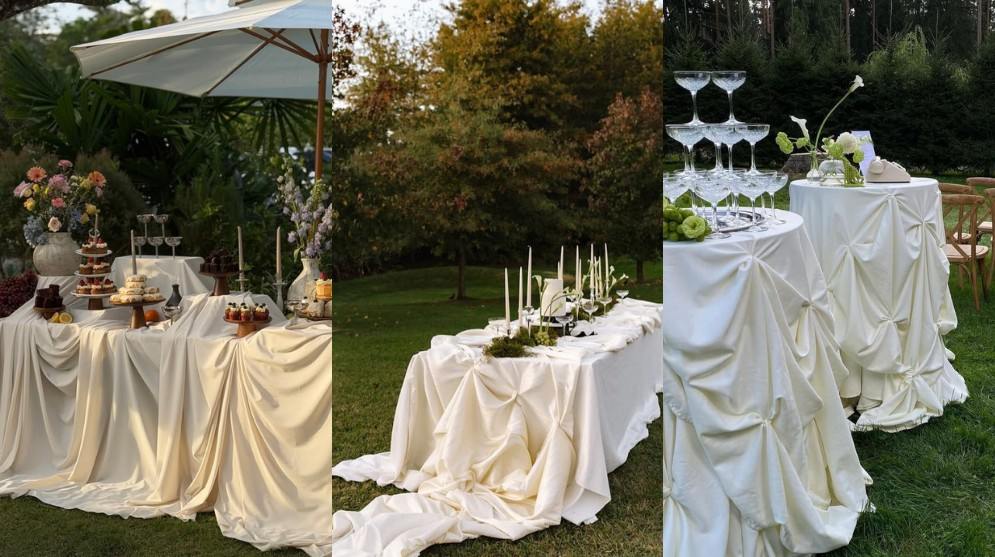
Wedding tables are moving away from the tightly pressed, floor-skimming linens that have dominated receptions for years. In 2026, longer cloths that gather softly around the legs of the table are being used to give the dining space more movement and texture.
The fabric matters here. Linen, washed cotton and gauzy materials create a softer silhouette, while heavier cloth can make a simple table feel more substantial. The effect is especially good with long rectangular tables, where the fabric can fall in irregular folds rather than forming a perfectly controlled edge. It also changes how the whole room reads.
7. Richer Wedding Color Palettes
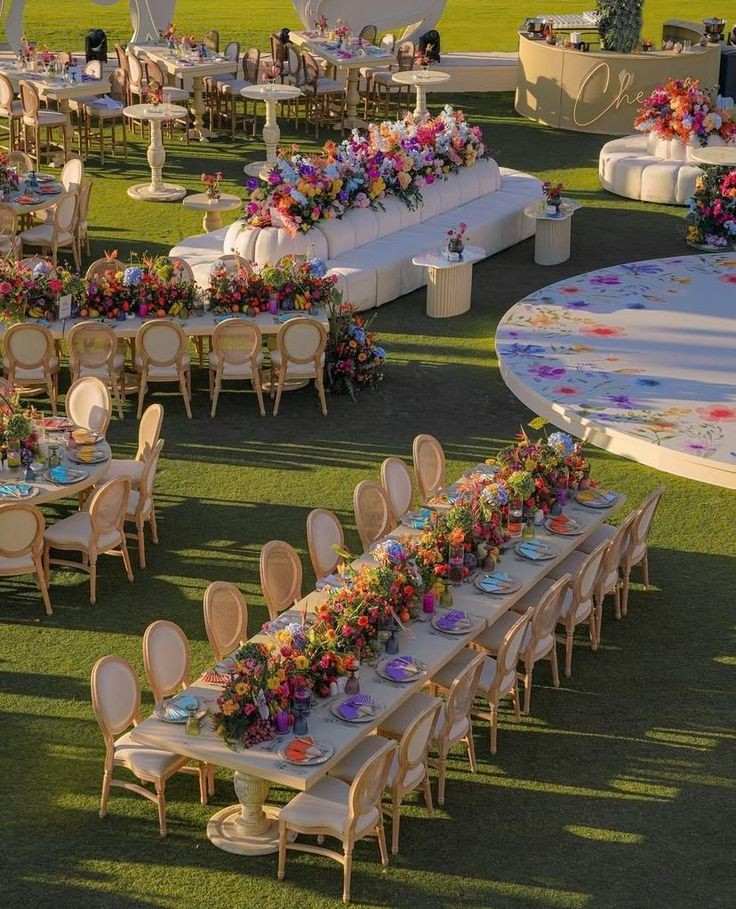
Wedding color is moving beyond the familiar collection of white, blush, and greenery.
Deep reds, plum, burgundy, chocolate, dark blue, and other richer shades are finding their way into flowers, linens, stationery, and reception details. They don’t have to dominate the room. A few darker elements against ivory can be enough to change the entire palette.
For couples planning an autumn or winter wedding, this is especially useful.
8. Bridal Nails Are Getting More Attention
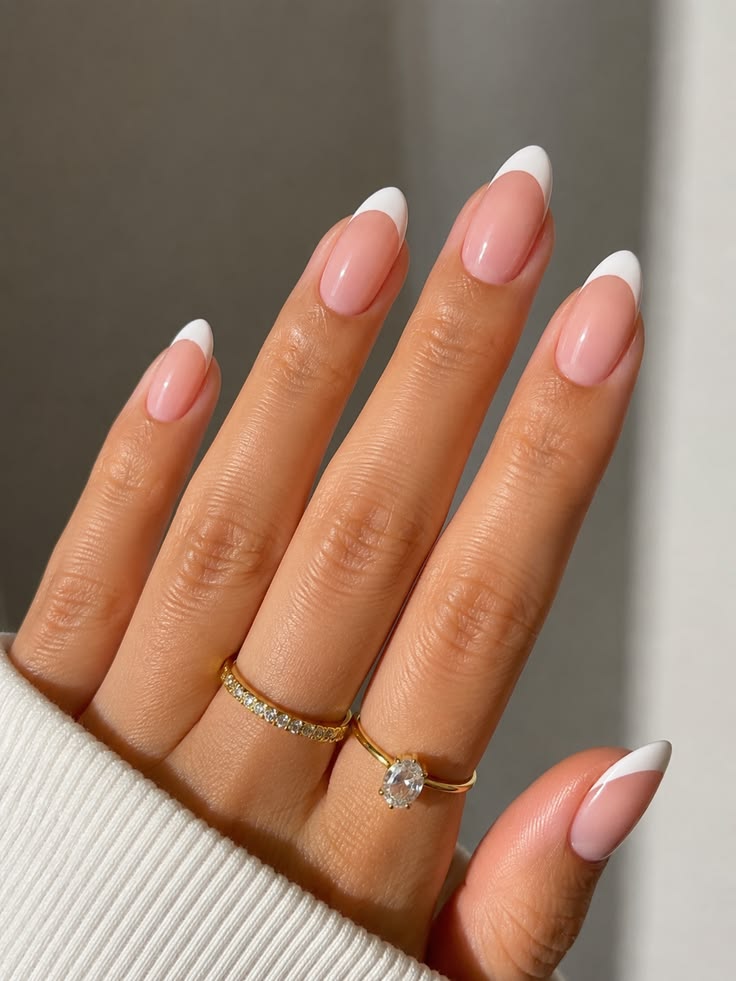
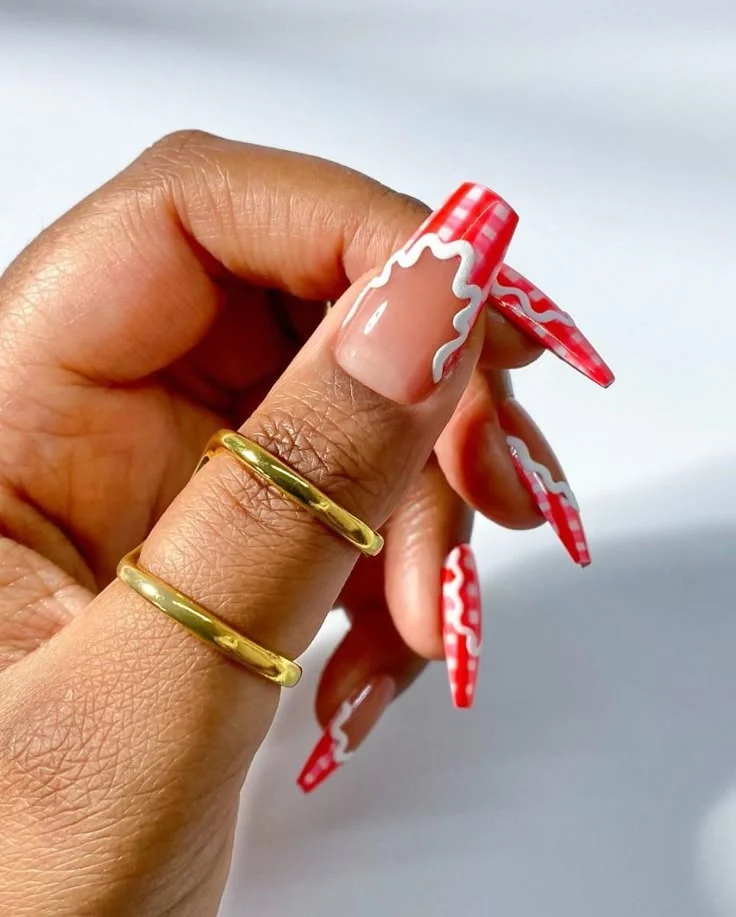
The wedding manicure no longer has to mean sheer pink polish and a white French tip.
For 2026, brides have more room to treat their nails as part of the overall look. Pearly finishes, soft chrome, delicate detailing, glazed effects, and understated nail art can work beautifully with a wedding dress without competing with it.
The best bridal nails still look like something you would actually want to wear, just considered alongside everything else you’re wearing that day.
9. Wedding Cakes Are Getting Smaller
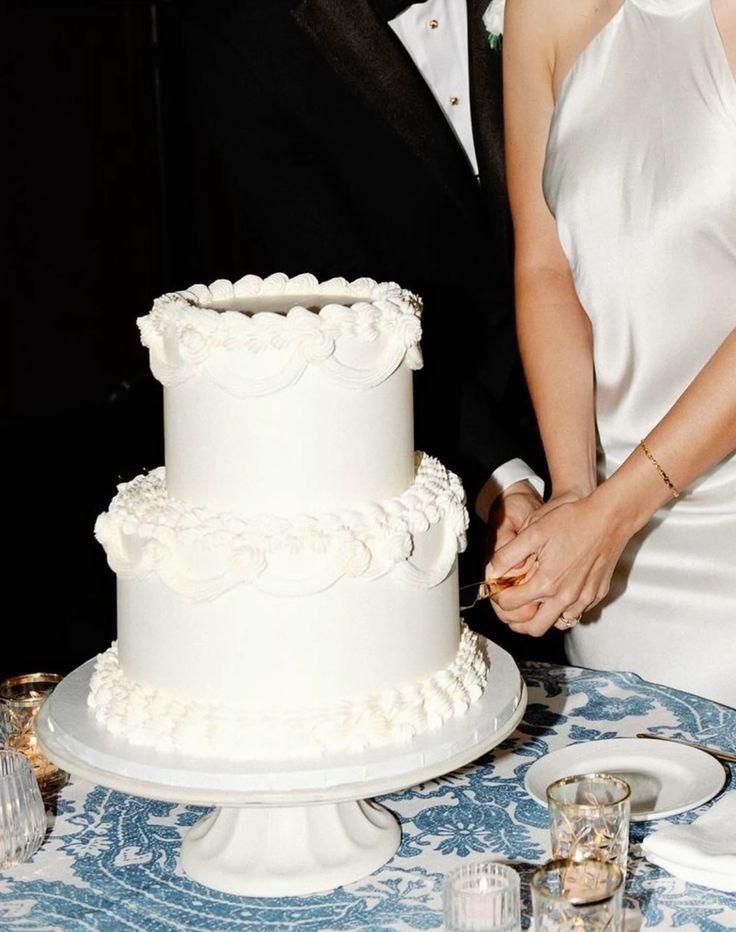
The enormous five-tier wedding cake isn’t the automatic centerpiece it once was. More couples are choosing a smaller cake and putting the rest of the dessert budget somewhere guests will actually notice, individual pastries, a late-night dessert table, or a cake made specifically for the two of them to cut.
The cake itself can be quite plain. Some couples are skipping the traditional cake altogether, too. Mille-feuille, croquembouche, tarts and stacks of individual cakes give the dessert course a different character without turning it into another oversized wedding display.
10. Mantilla Veils
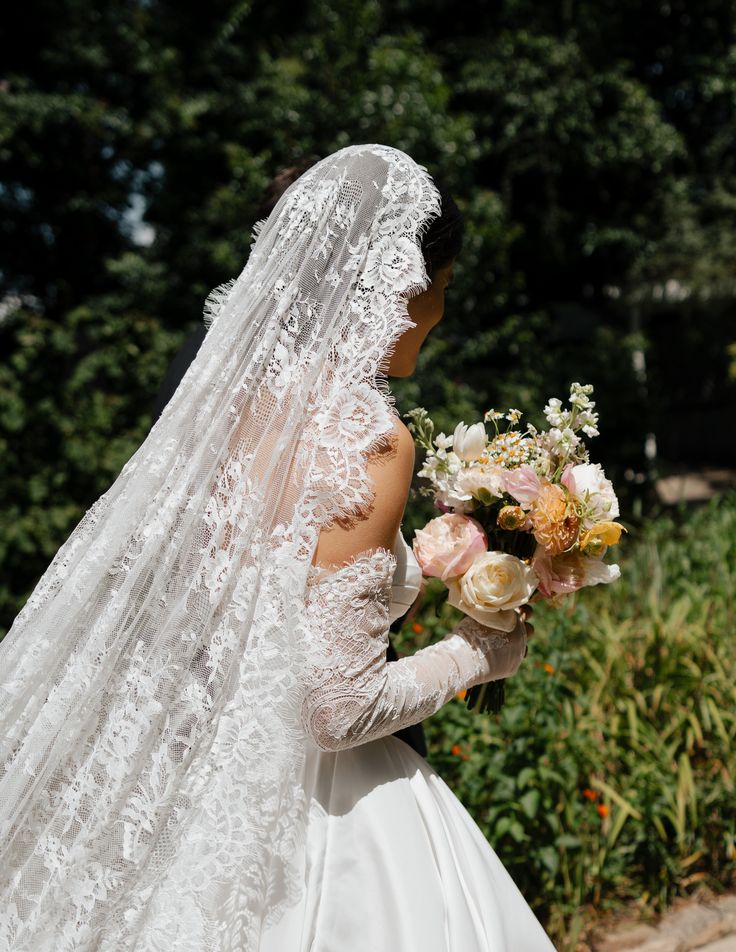
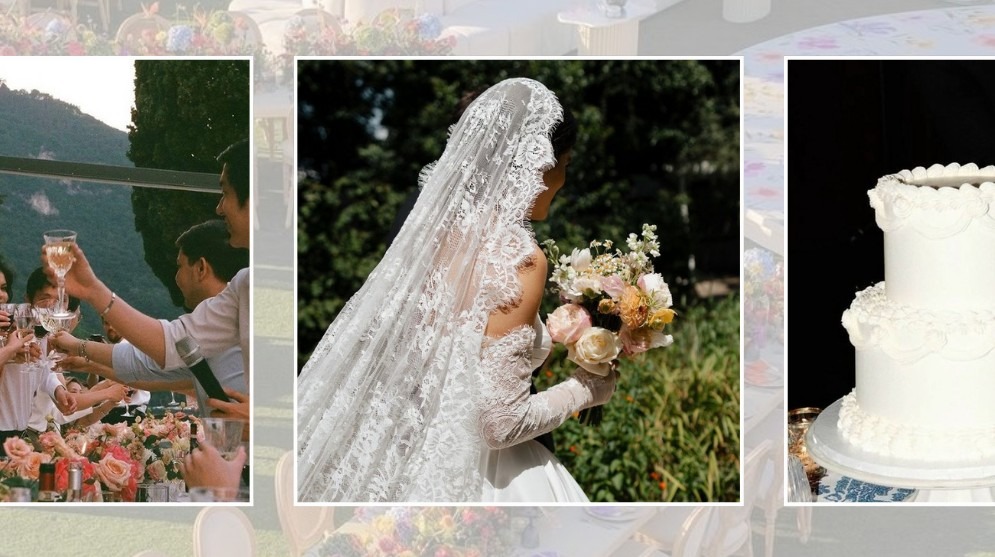
A mantilla sits close to the head, with lace extending around the face and a scalloped edge falling over the shoulders. Unlike a gathered veil, it doesn’t create volume at the crown, the lace is the feature.
It can be worn with satin, crepe, or lace dresses, depending on how much texture you want around the face. With a heavily detailed dress, I’d keep the veil restrained; with a plain gown, the lace border has room to stand on its own.
11. Speakeasy and Restaurant Weddings
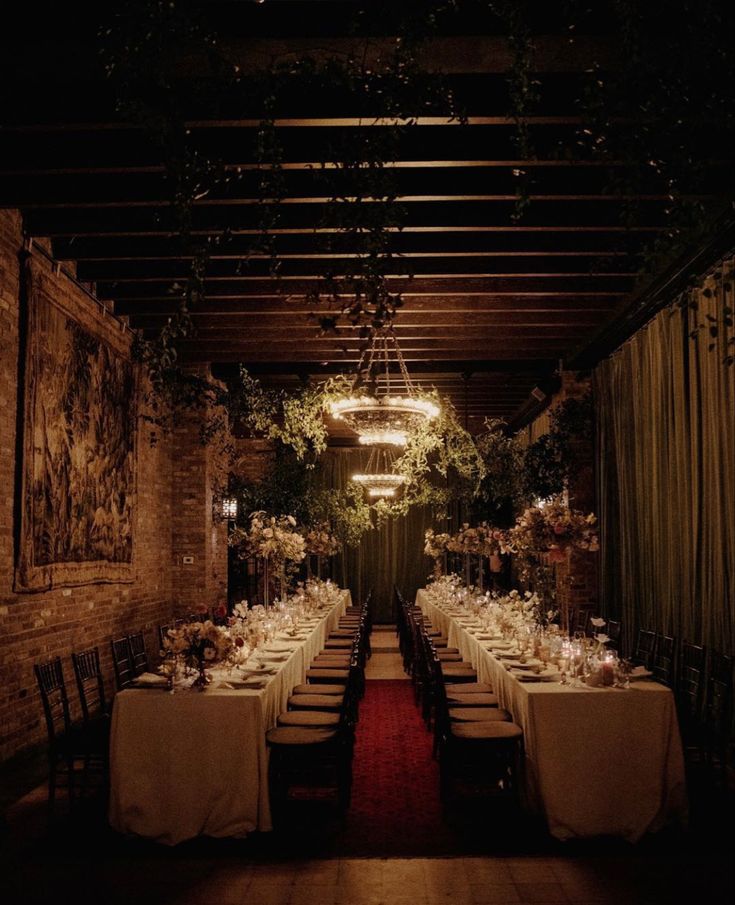
Some couples are choosing venues that already have a strong atmosphere instead of renting a blank space and building one from scratch.
A dark restaurant, cocktail bar, or private dining room changes the wedding immediately. The lighting is different. The tables are closer. Dinner becomes part of the evening rather than a break between the ceremony and dancing.
The venue also gives you fewer things to decorate. If the room already has character, you don’t need to cover every wall with flowers.
12. Documentary Wedding Photography
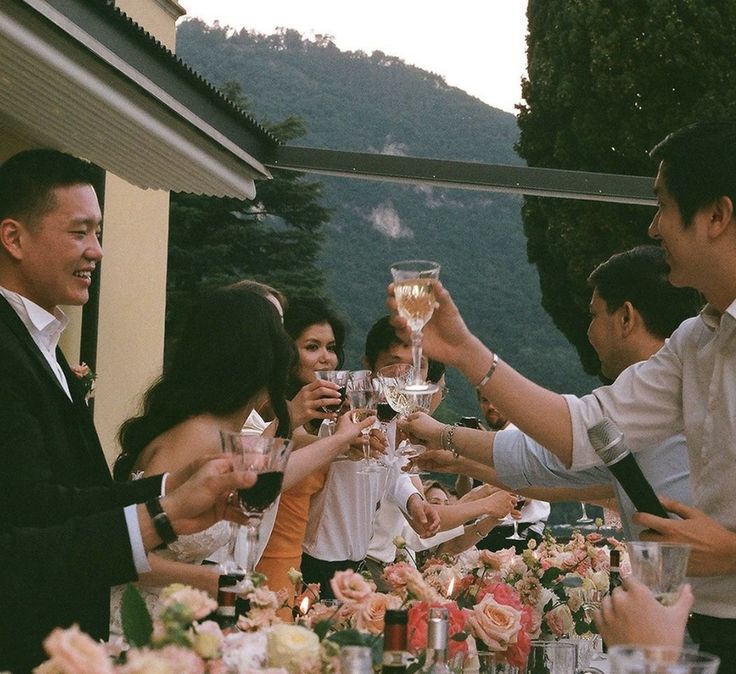
Perfectly posed portraits still have their place, but more couples are asking photographers to pay attention to what happens between them.
The photograph of your father fixing his jacket before the ceremony may mean more to you in ten years than another picture of everyone standing in a line. The same goes for a friend crying during the vows, the table after everyone has eaten, or the bride laughing because something went wrong.
Current 2026 wedding coverage points to more interest in candid, documentary-style photography, including images that aren’t technically perfect.
13. Alternative Bouquets
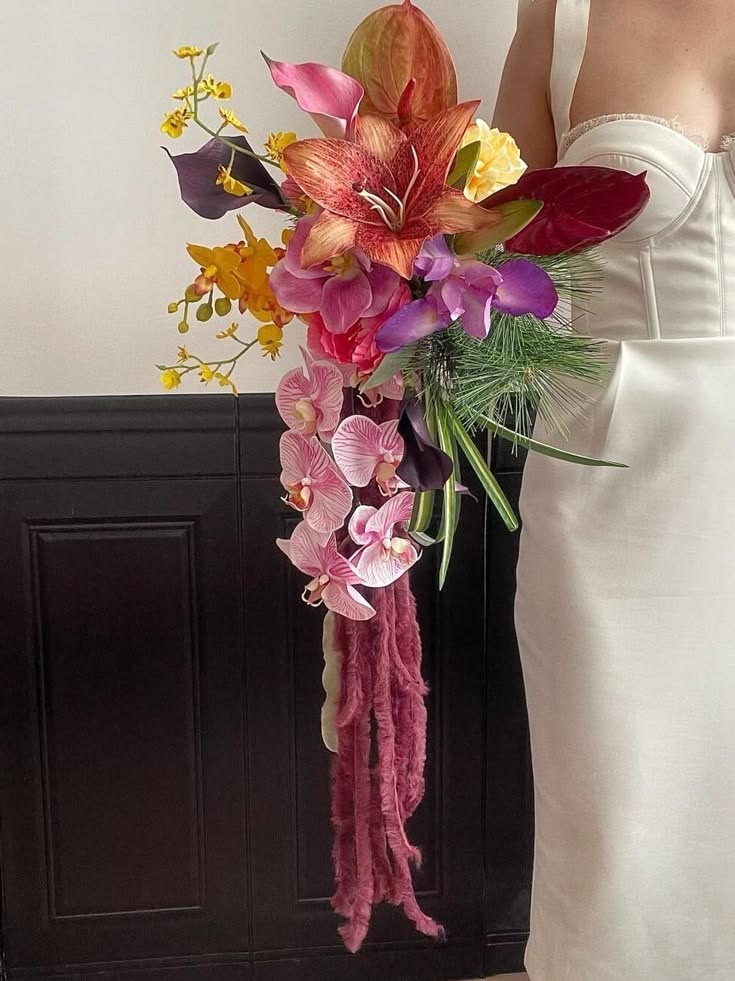
The bouquet doesn’t have to be a round cluster of flowers held directly in front of the dress.
Long stems, trailing shapes, and looser arrangements change the relationship between the flowers and the bride’s silhouette. A long bouquet looks particularly good against a narrow gown because it adds movement without making the dress itself busier.
I’d also choose the bouquet after the dress rather than before it. A bouquet should make sense next to the neckline, fabric, and proportions you’re actually wearing.
14. Draped Ceremony Spaces
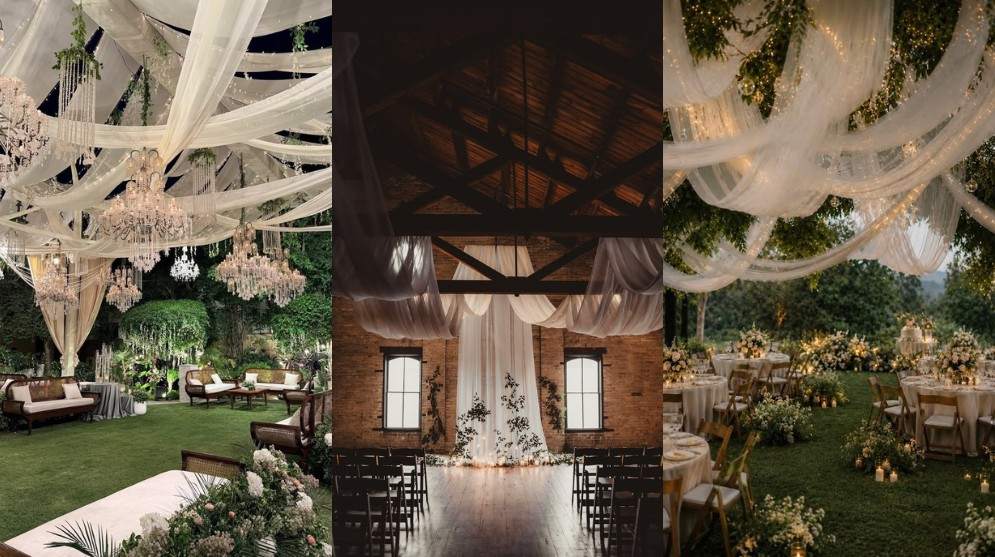
Fabric can do a lot for a plain room.
Instead of building an enormous floral arch, couples are using draping to frame the ceremony, soften a ceiling or divide a large space. The fabric changes the architecture without adding dozens of individual decorative objects.
The best examples I’ve seen are fairly restrained. If the draping has a beautiful shape, you don’t need to cover it in flowers as well.
15. Personal Details in the Wedding
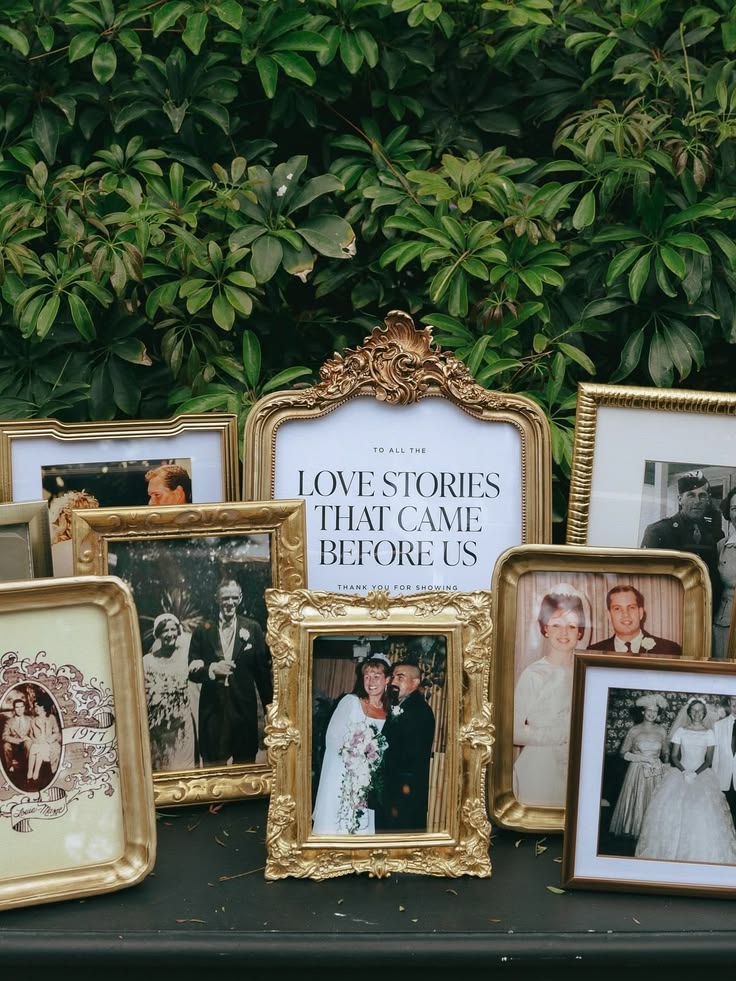
Personalization is becoming less about putting the couple’s initials on everything and more about making choices that have a reason behind them.
A family recipe at dinner makes sense. A favorite song played by the band makes sense. Embroidery inside the wedding dress makes sense if the words mean something to the bride. A favorite restaurant as the reception venue makes sense.
Those details tend to age better than decorations chosen because someone said they were currently popular.