24 Best Dining Room Decor Ideas That Turn an Everyday Space Into Your Favorite Room
Your dining room deserves more than a table and a light fixture. These dining room decor ideas share thoughtful, practical ways to create a space that’s welcoming, stylish, and enjoyable to gather in every day.
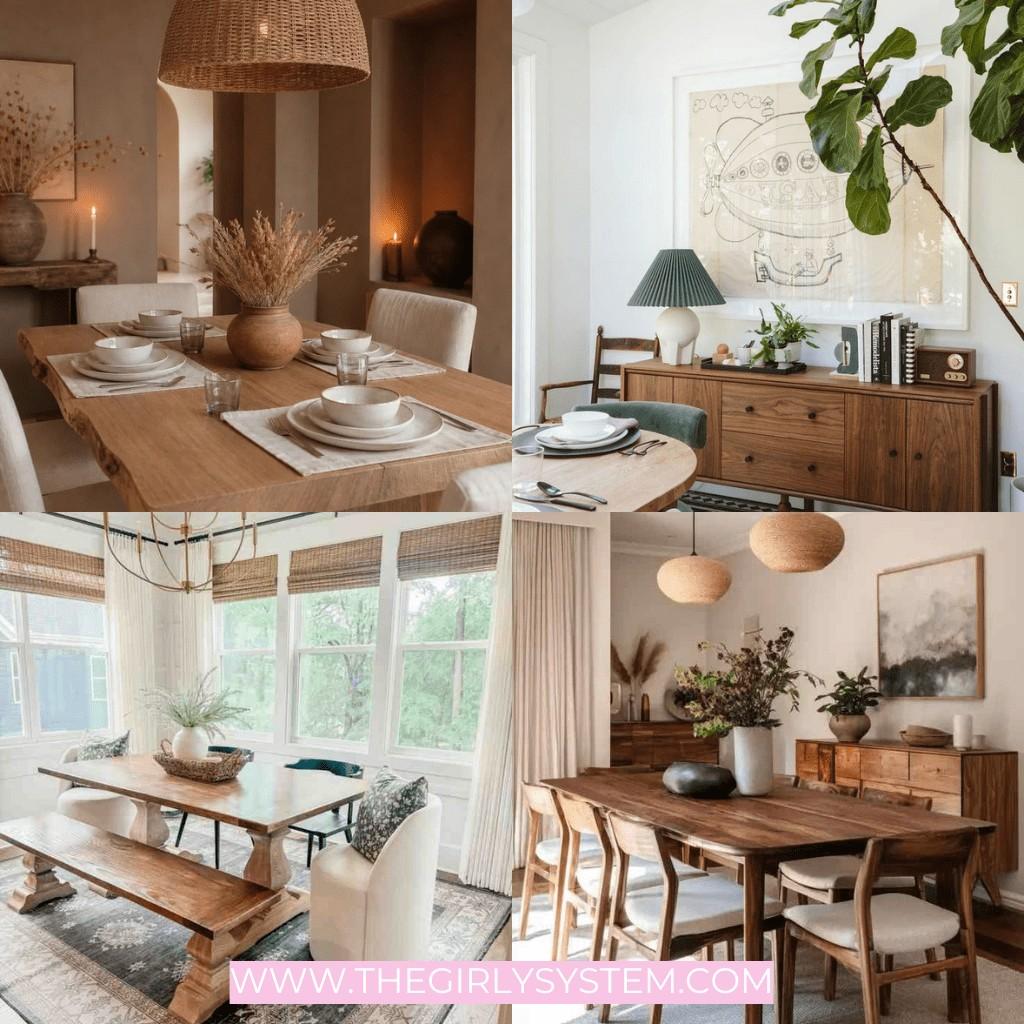
There are rooms that naturally become part of everyday life, and then there are rooms that slowly turn into places we walk past without giving them much thought.
The dining room often falls into the second category. It holds the occasional holiday meal, collects unopened packages for a day or two, or becomes an extra workspace when life gets busy.
Yet it’s also the room where birthdays are celebrated, conversations stretch long after dinner, and ordinary weeknights have the chance to feel just a little more memorable.
That’s why decorating a dining room isn’t really about chasing the latest trend or buying another decorative object. It’s about creating a space that invites people to sit down, stay a while, and enjoy being there.
The ideas below aren’t meant to transform your home overnight.
Instead, they’re the kind of thoughtful changes that gradually give a dining room more character, more purpose, and a stronger sense of belonging within your home.
Dining Room Decor Ideas
1. Let Your Light Fixture Do the Heavy Lifting
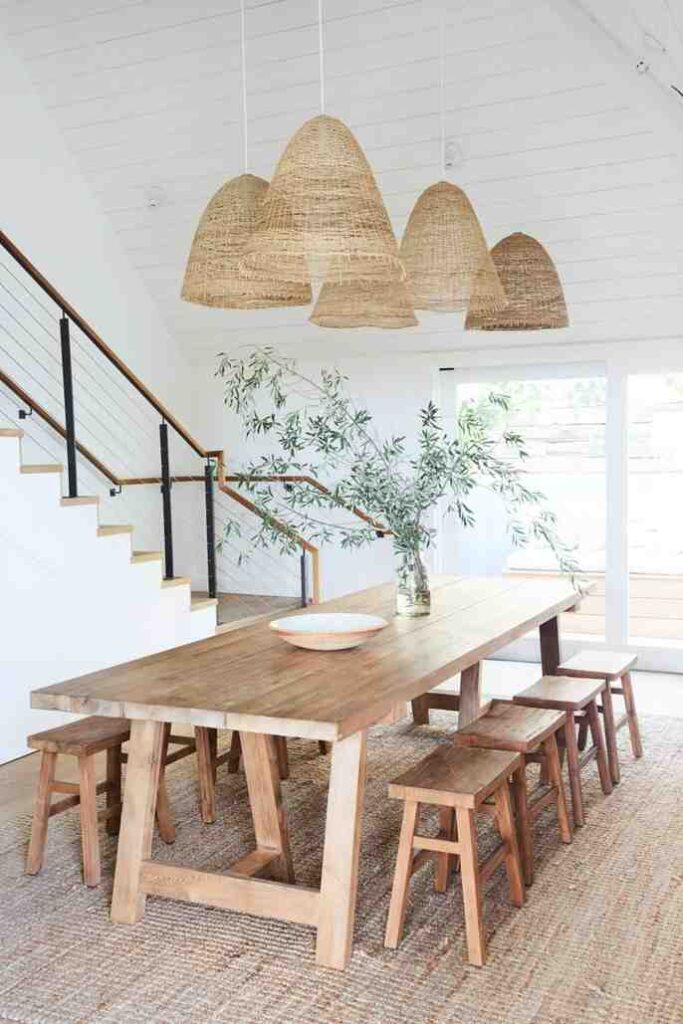
I used to think the dining table had to be the star of the room. Then I realized that every dining room I kept saving had one thing in common: my eyes always went straight to the light fixture.
A beautiful pendant or chandelier sets the mood before you notice anything else. It quietly tells the story of the room, whether that’s relaxed, modern, collected, or a little dramatic.
If your budget only allows for one update this year, I’d spend it here before buying another decorative accessory.
2. Stop Treating the Table Like a Showroom
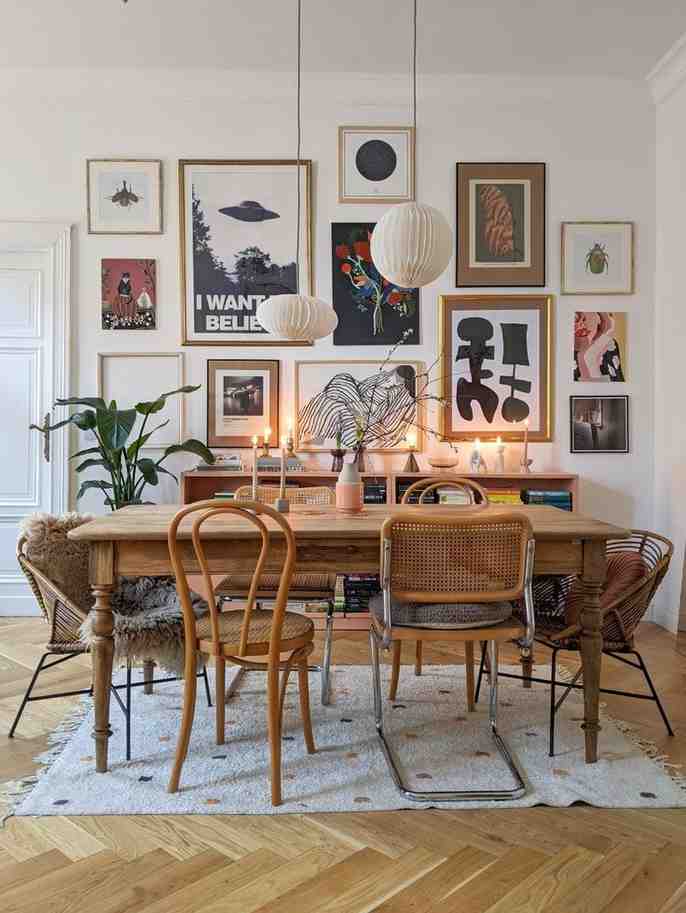
Some of the most inviting dining tables I’ve seen weren’t perfectly styled.
There was a bowl of peaches waiting to be eaten, a cookbook left open to a recipe someone wanted to try next weekend, or flowers picked up during a grocery run because they happened to look pretty.
Those little signs of life make a room feel far more interesting than a centerpiece that’s never allowed to move.
3. Buy the Flowers
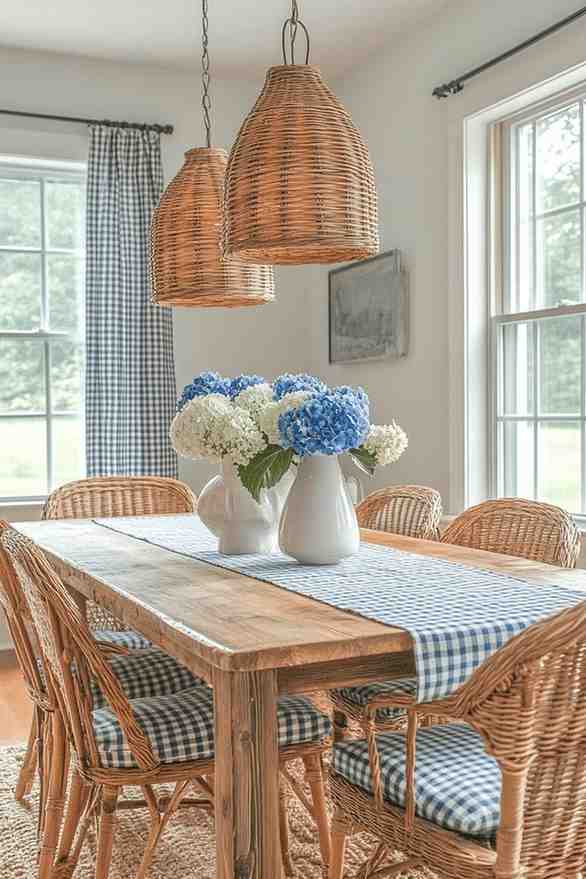
I’m convinced fresh flowers solve more decorating problems than almost anything else.
They don’t have to come from a florist, and they definitely don’t need to wait for a special occasion.
A simple bouquet from the supermarket, trimmed down and placed in a pitcher or ceramic vase, changes the atmosphere in five minutes.
Then next week you get to choose something completely different, which is half the fun.
4. Let One Thing Be Imperfect
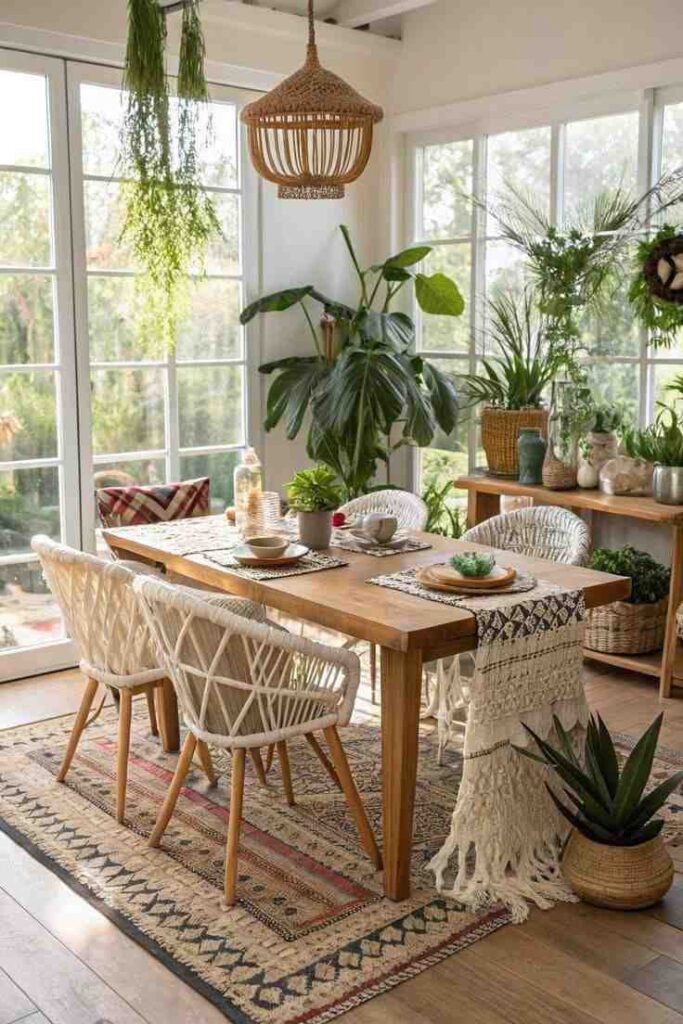
There’s something about a perfectly symmetrical dining room that can feel a little… untouchable.
Instead of lining everything up with military precision, leave a chair slightly pulled out, drape a linen napkin over the back of one seat, or let a stack of magazines live on the sideboard for a few days.
The room immediately feels lived in instead of waiting for an open house.
5. Stop Buying Decor Before You Know What’s Missing
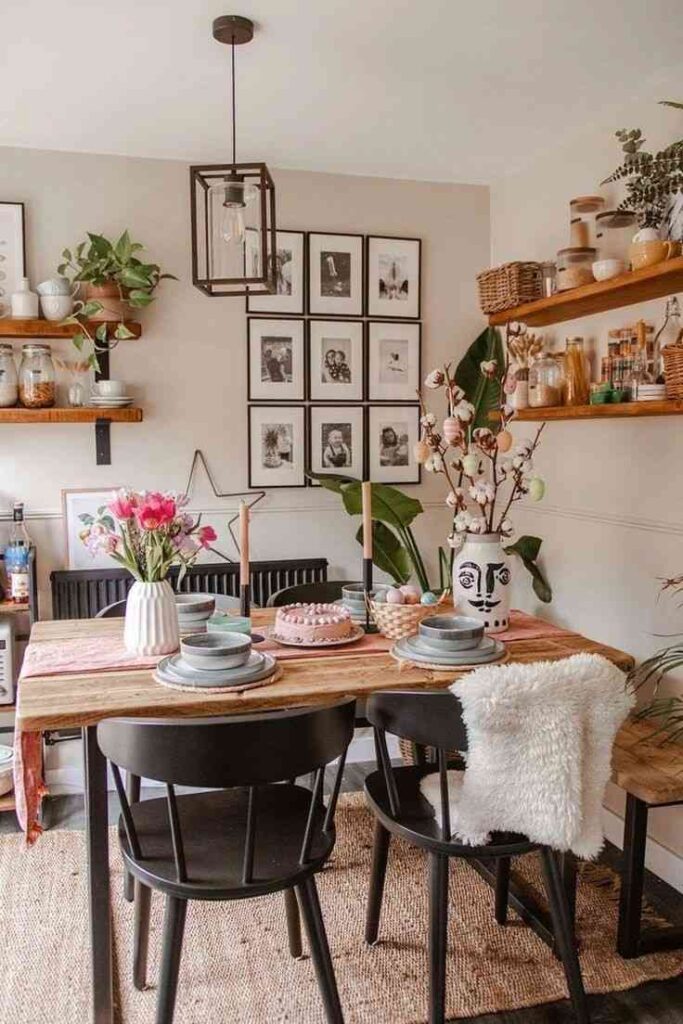
It’s surprisingly easy to convince yourself that another candle holder or another vase will finally pull everything together.
Most of the time, it doesn’t.
Live in your room for a while before buying the next thing.
You might discover the real problem isn’t that you need more decor, it could be that your lighting feels flat, your artwork is hung too high, or the chairs don’t invite anyone to stay for a second cup of coffee.
Decorating gets easier when you solve the actual problem instead of shopping for a feeling.
6. Borrow Ideas From Your Favorite Restaurant
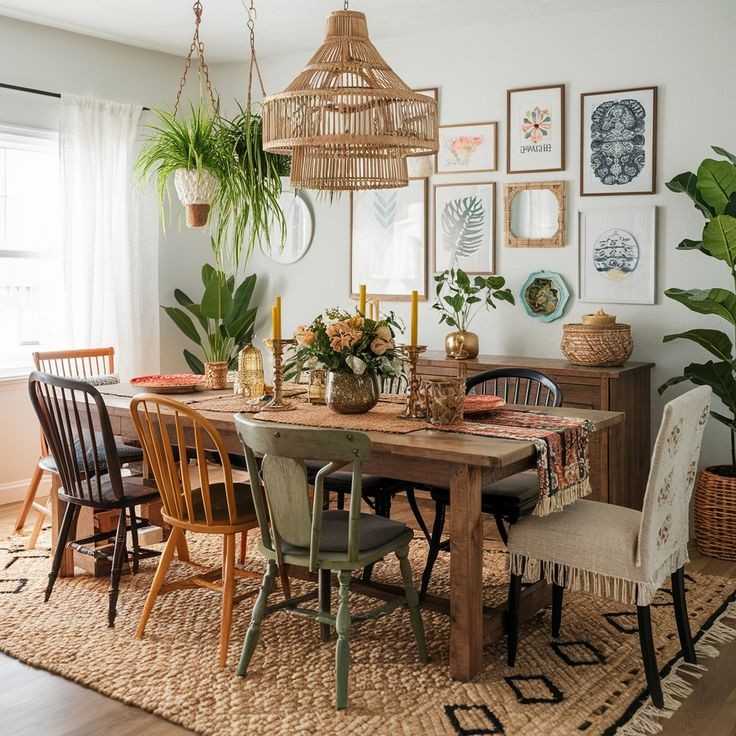
Think about the last restaurant where you genuinely didn’t want to leave.
Was it the low lighting? The candles flickering on every table? The oversized artwork? Maybe it was the music quietly playing in the background or the fresh branches sitting in a giant vase by the entrance.
The restaurants we remember usually get the atmosphere right before the food even arrives. Steal those ideas.
Your home deserves the same attention.
7. Stop Saving the Good Dishes
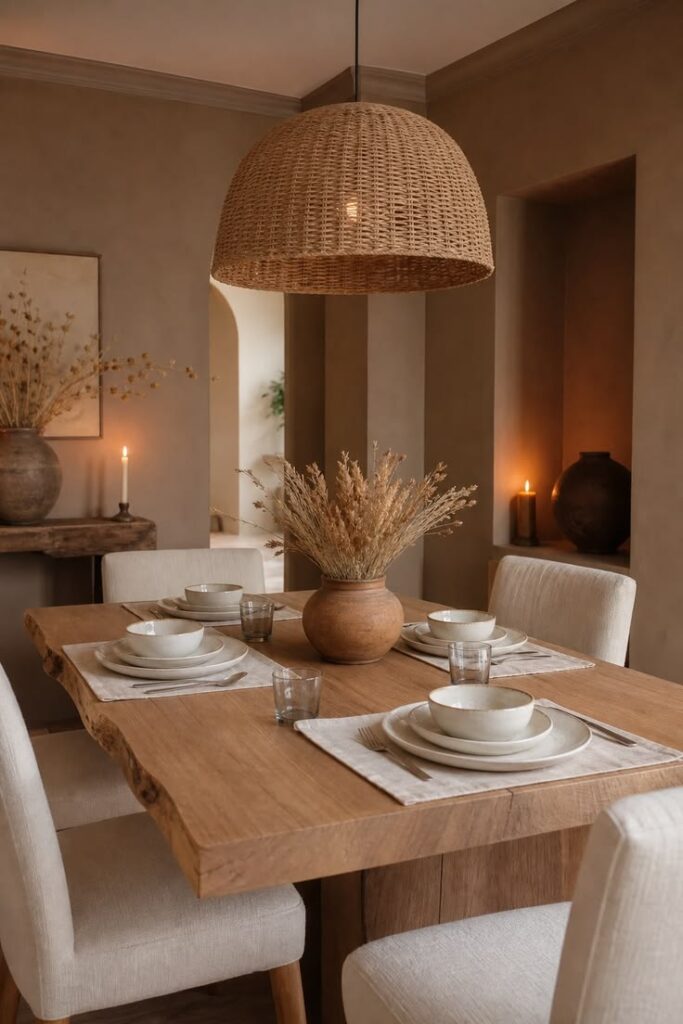
Your favorite plates shouldn’t spend 360 days a year hidden behind a cabinet door waiting for Thanksgiving.
Use them on a random Wednesday. Pour your coffee into the mugs you love most. Bring out the linen napkins because you’re making pasta, not because someone’s coming over.
The little rituals you create for yourself end up shaping how your home feels far more than the decorative pieces sitting on a shelf.
8. Decorate Around the Way You Actually Eat
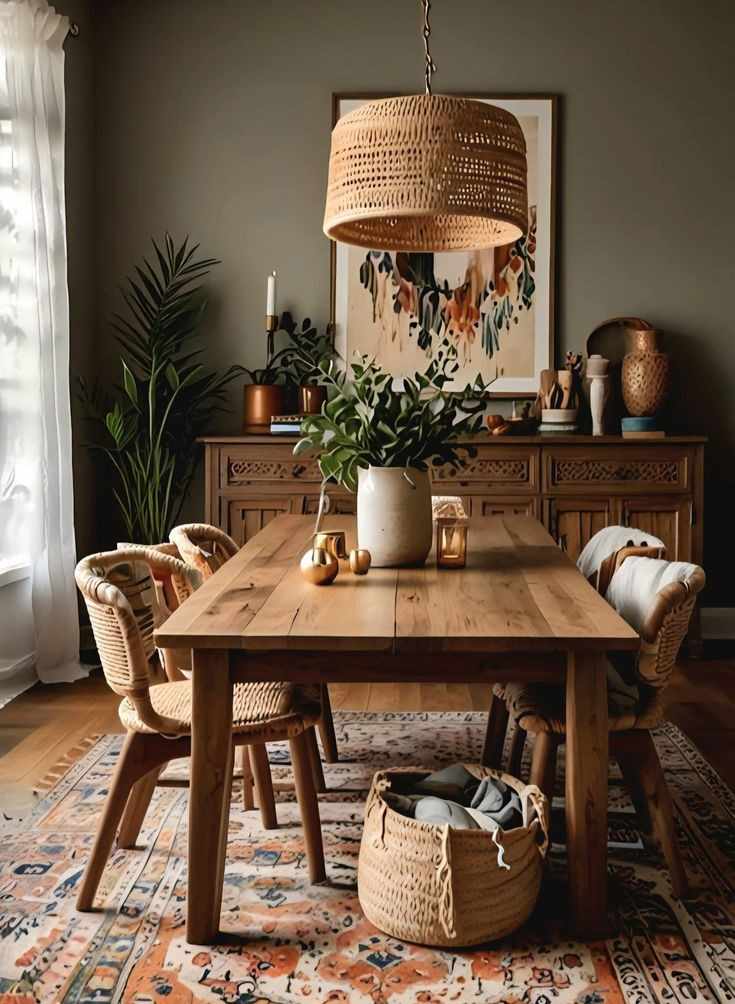
Social media might tell you every dining room needs a perfectly styled buffet.
Maybe yours needs a coffee station because everyone gathers there after dinner.
Maybe it’s where your kids spread out homework while you cook, or where you answer emails before work with a bowl of cereal beside your laptop.
There’s no prize for copying someone else’s routine. The most satisfying rooms are built around your own.
9. Don’t Rush to Fill Every Empty Wall
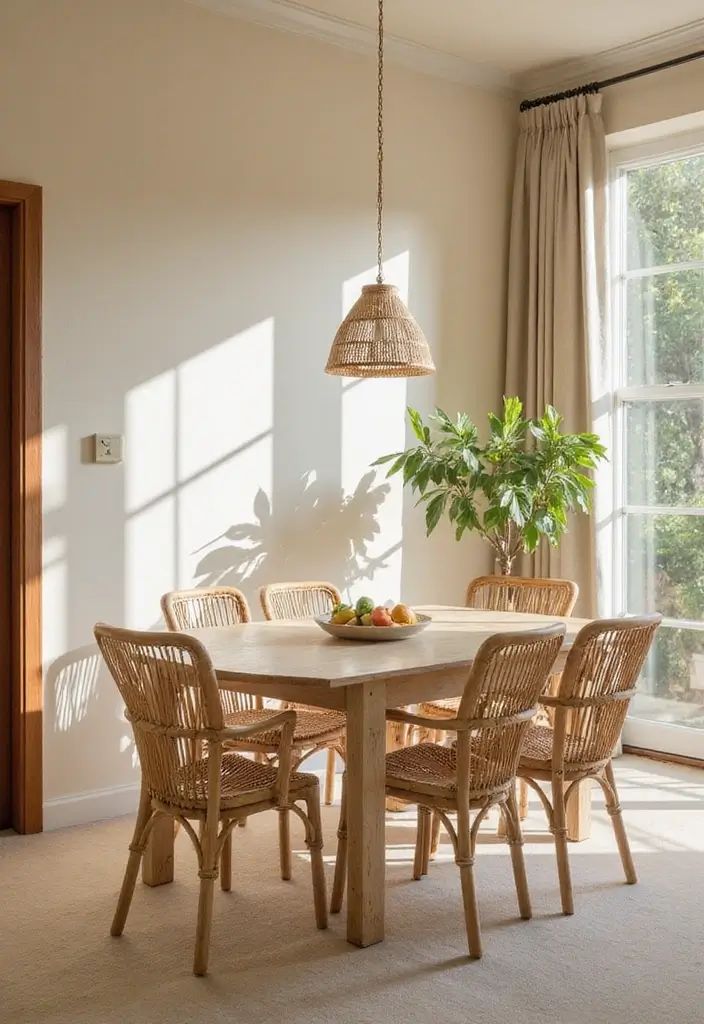
An empty wall isn’t automatically a decorating mistake.
Sometimes living with blank space for a few months helps you figure out what actually belongs there.
Maybe it’s one oversized painting you discover while traveling. Maybe it’s a vintage mirror you’ve been searching for.
Waiting usually leads to better decisions than buying something just because the wall feels empty.
10. Choose One Piece That Starts Conversations
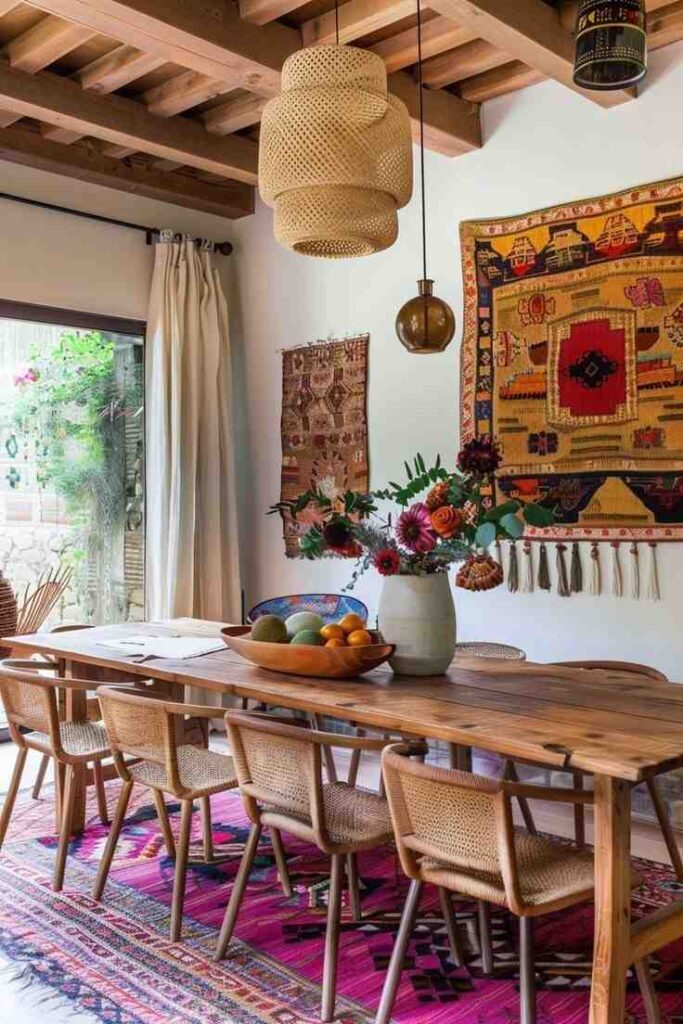
Every room benefits from having one thing people ask about.
It could be an old wooden bowl you found at a flea market, artwork from a local artist, or a ceramic vase you carried home from vacation because you couldn’t stop thinking about it.
Those pieces give your home character because they remind you of a place, a person, or a moment, not because they match your throw pillows.
11. Give Your Dining Room a Reason to Change Throughout the Year
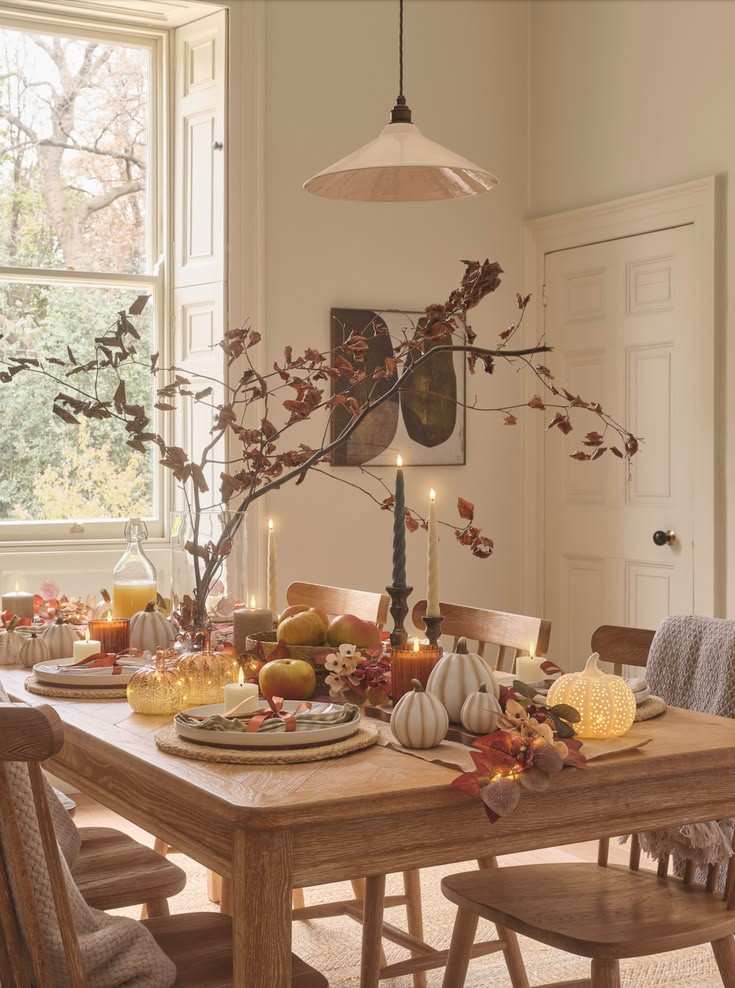
One of the easiest ways to keep a dining room feeling fresh is to let it evolve with the seasons.
Not through a complete makeover, but with a few thoughtful changes that reflect what’s happening outside your window.
In spring, that might mean a vase of flowering branches. Summer calls for bowls of citrus or fresh herbs.
Autumn naturally welcomes collected branches and pears, while winter often feels complete with candles and evergreen cuttings.
12. Mix Chairs That Weren’t Made for Each Other
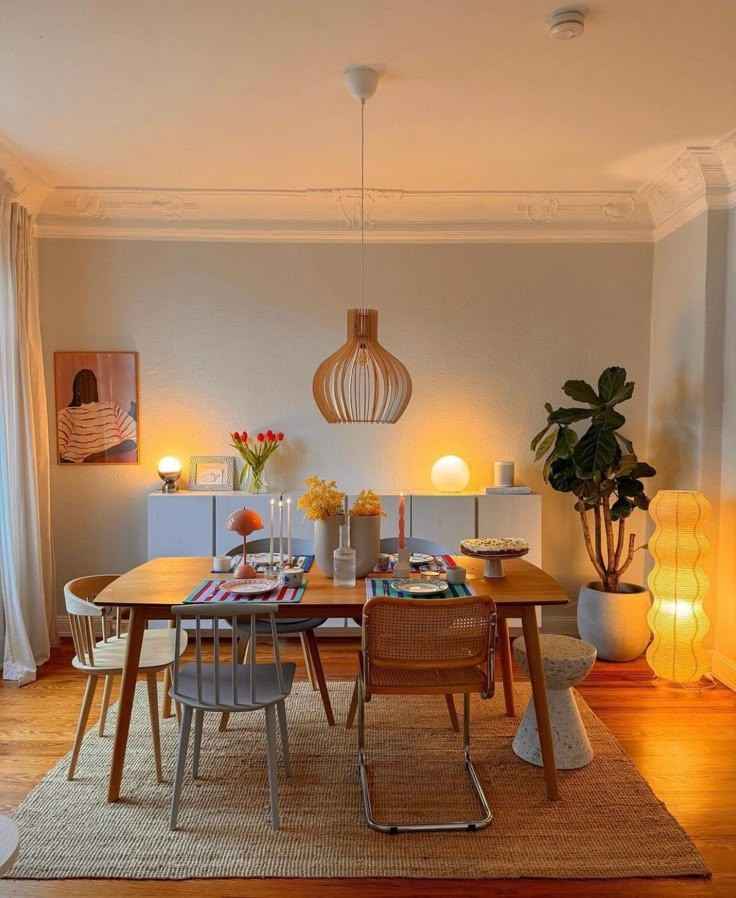
There’s something charming about a dining room that looks like it came together over time rather than arriving in matching boxes.
Pairing upholstered chairs at the ends with wooden side chairs, or introducing a vintage chair you’ve refinished yourself, gives the room a sense of individuality.
Homes tend to feel more interesting when every piece doesn’t come from the same collection.
13. Make the Sideboard Earn Its Place
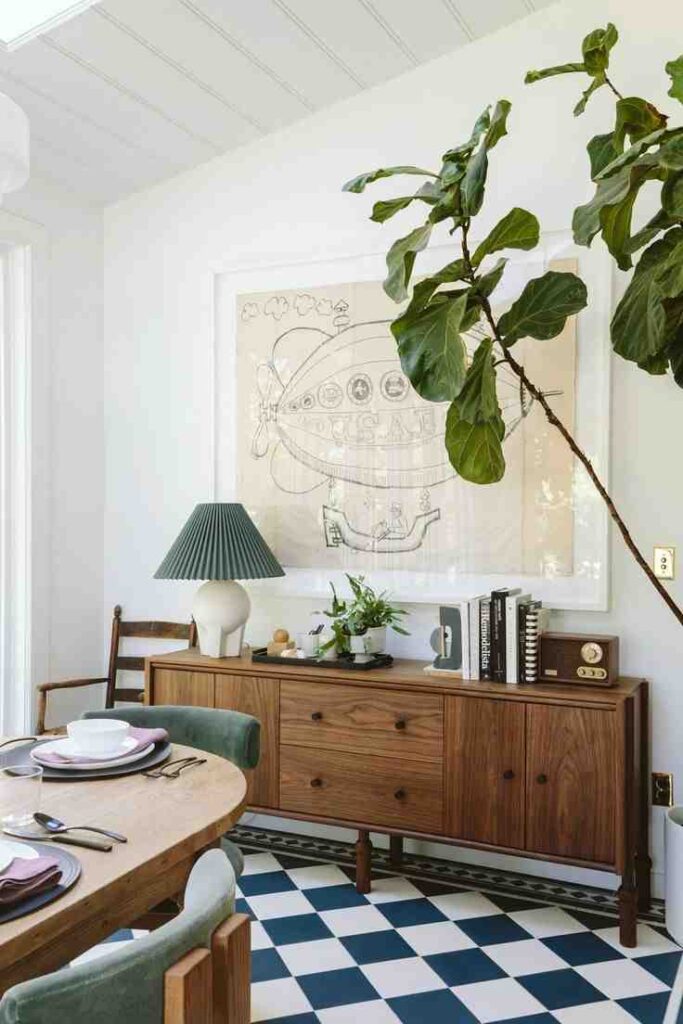
A sideboard is often treated as storage with a lamp on top, but it can become one of the hardest-working pieces in the room.
It can display serving dishes you actually use, hold candles within easy reach, or become the place where dessert and coffee are served when guests come over.
Decorating feels far more natural when beautiful objects are also useful.
14. Hang Art That Makes You Pause
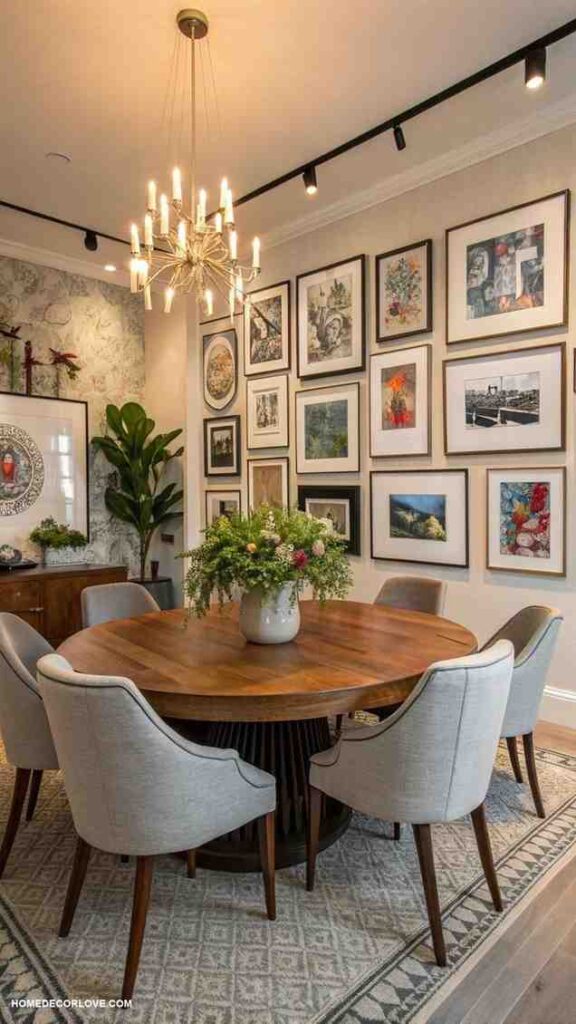
Art doesn’t have to match the dining chairs or pick up the exact color of the curtains.
The pieces that stay with us are usually the ones that make us stop for a second.
Maybe it’s a landscape that reminds you of a favorite trip, a still life that catches the afternoon light beautifully, or an abstract painting that simply makes the room feel calmer every time you walk past it. Those are the choices that outlast trends.
15. Don’t Forget What Happens After Dinner
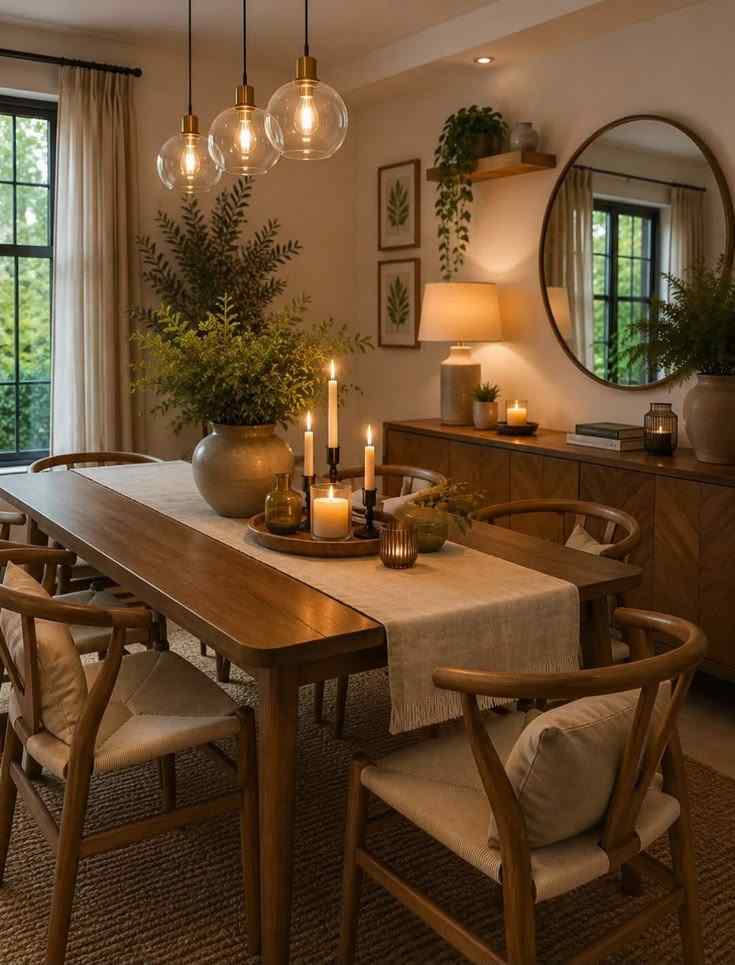
Some of the best moments don’t happen during the meal, they happen after everyone has finished eating.
Someone pours another cup of coffee. Dessert appears.
The conversation drifts from one topic to another until nobody notices how late it’s getting.
Comfortable chairs, softer lighting, and a table that isn’t crowded with decorations all encourage people to stay a little longer, and that’s often what makes a dining room memorable.
16. Let One Material Appear More Than Once
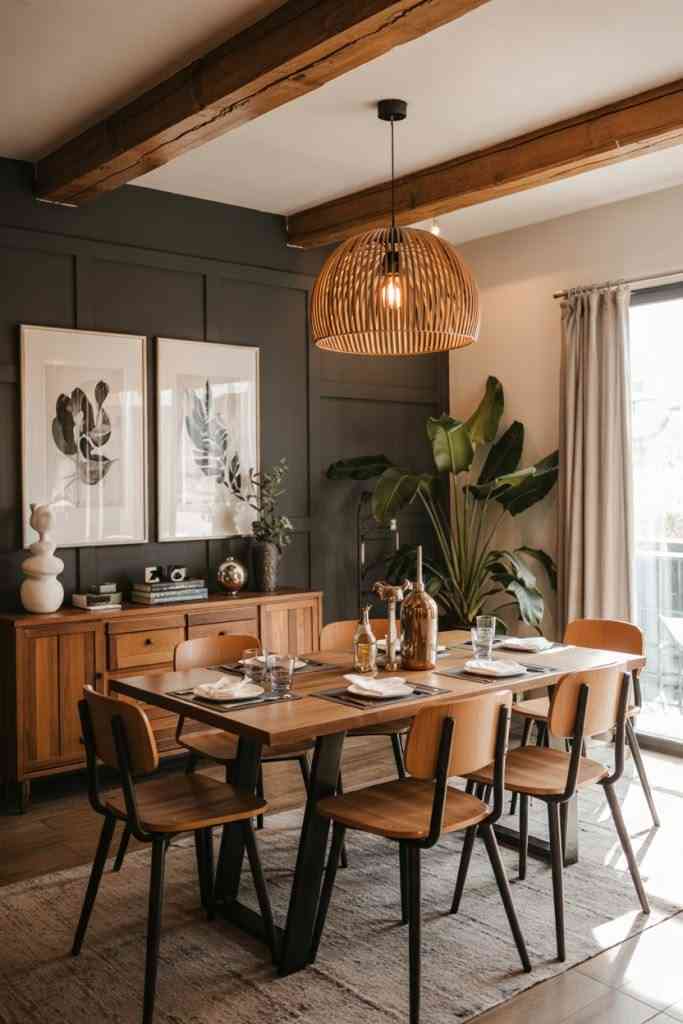
Have you ever walked into a room that felt effortlessly put together but couldn’t quite explain why? Often, it’s because the same material quietly appears in different places.
If you have a wooden dining table, echo that tone with a picture frame, a bowl, or the legs of a nearby console. The same goes for brass, black metal, linen, or woven textures.
Repeating a material creates a subtle connection between pieces instead of looking like every item was chosen separately.
17. Don’t Fight a Small Dining Room
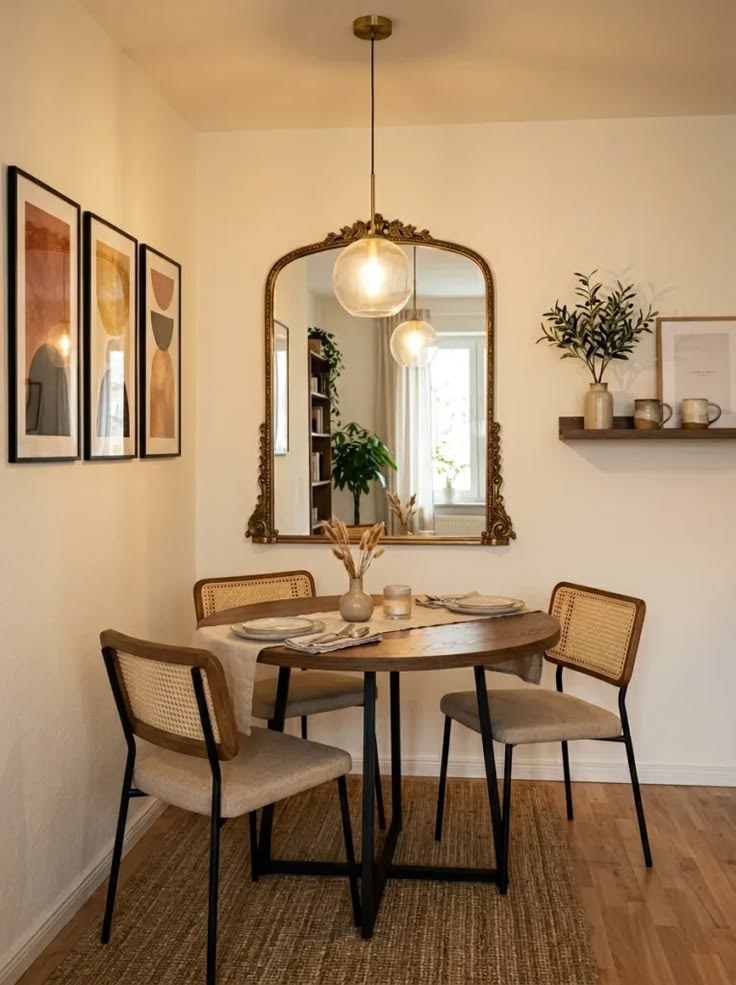
A smaller dining room doesn’t need to pretend it’s larger. In fact, some of the most charming dining spaces I’ve seen barely have room for four chairs.
Instead of squeezing in a bulky buffet or oversized table because it looks good online, choose pieces that leave enough space to move comfortably.
A round pedestal table, slim-profile chairs, or even a wall-mounted shelf for serving dishes can make a compact room feel thoughtfully designed rather than crowded.
Decorating becomes much easier when you stop trying to fit a twelve-person dining room into a space made for four.
18. Give Every Piece a Job
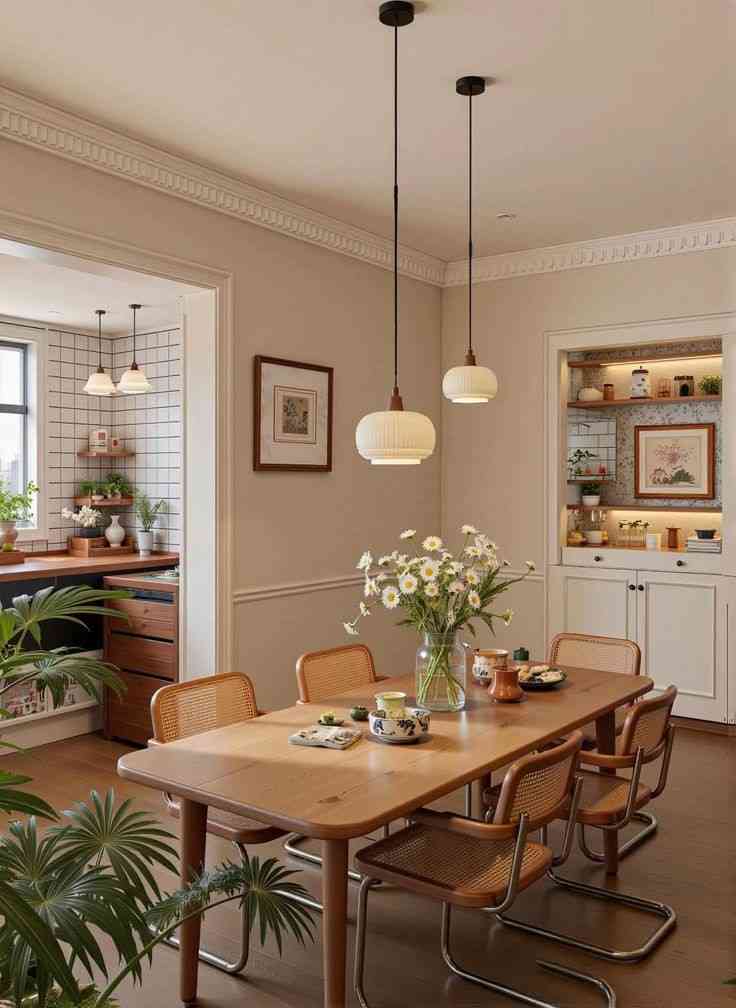
When space is limited, every item has to earn its place.
A bench that tucks neatly under the table, a sideboard that stores serving dishes and board games, or a cabinet that doubles as a coffee station helps your dining room work harder without filling it with unnecessary furniture.
Before buying anything new, ask yourself, Would I miss this if it disappeared tomorrow? If the answer is no, your dining room probably doesn’t need it.
19. Let the Windows Be Part of the Decor
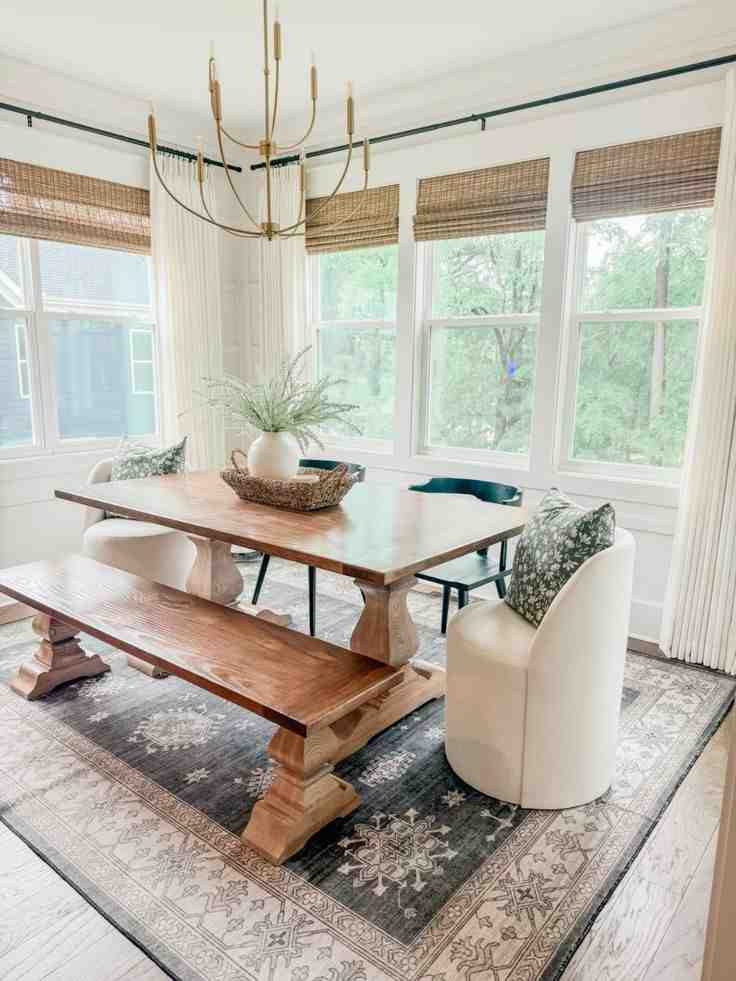
Windows often become an afterthought once the furniture is in place, but they have more influence on the room than almost anything else.
Choose curtains that soften the space without stealing all the attention, or leave beautiful windows uncovered if privacy isn’t an issue.
The changing light throughout the day becomes part of the decorating, and that’s something no accessory can compete with.
20. Make an Open-Concept Dining Area Feel Like Its Own Room
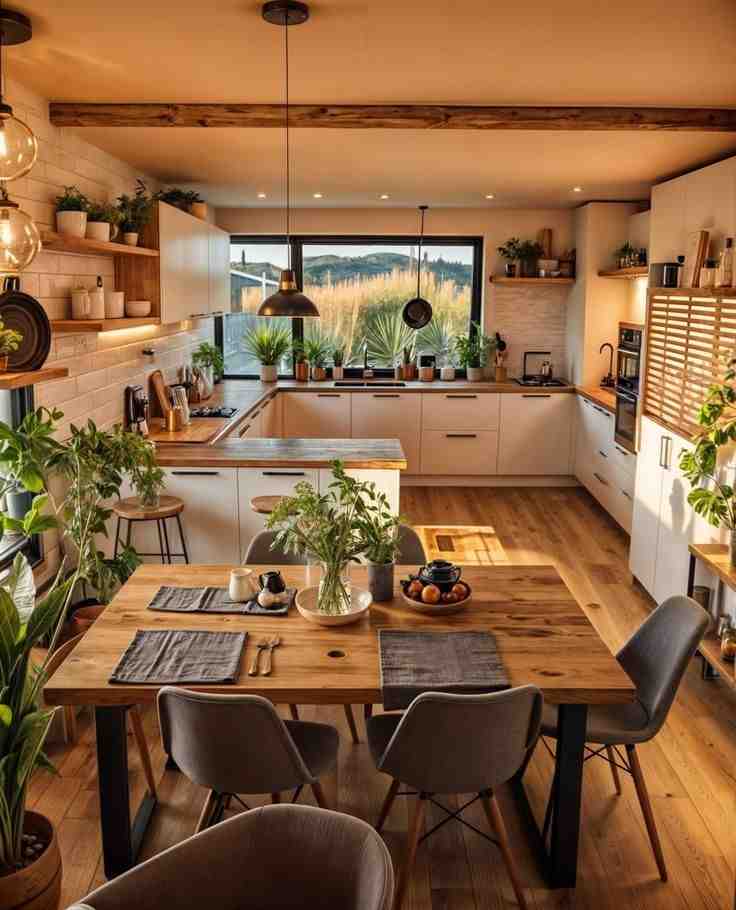
Open floor plans are wonderful until every space starts blending into the next. The dining area can end up feeling like it’s simply floating between the kitchen and the living room.
One of the easiest ways to give it its own identity is by repeating a few elements only in that area.
Maybe it’s a rug beneath the table, a statement light overhead, or artwork that lives exclusively on that wall.
You don’t need walls to make a room feel defined, you just need a sense that this space has its own purpose.
21. Think About What the Room Sounds Like
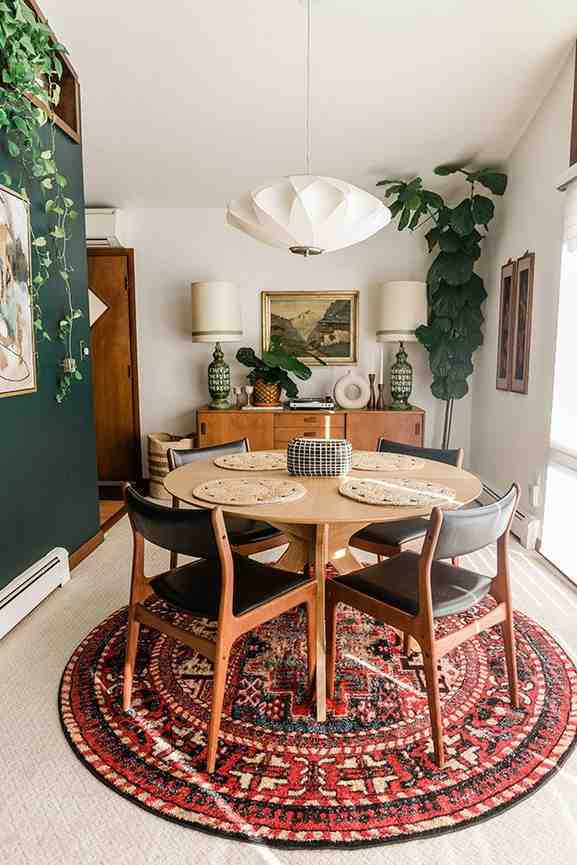
This isn’t something we usually think about when decorating, but it changes how a room feels.
A large rug softens the sound of chairs moving across the floor. Fabric curtains reduce echoes.
Music playing quietly in the background makes dinner feel different from the moment everyone sits down.
A beautiful room isn’t only experienced with your eyes, it’s experienced with your senses.
22. Leave Space for the Centerpiece to Change
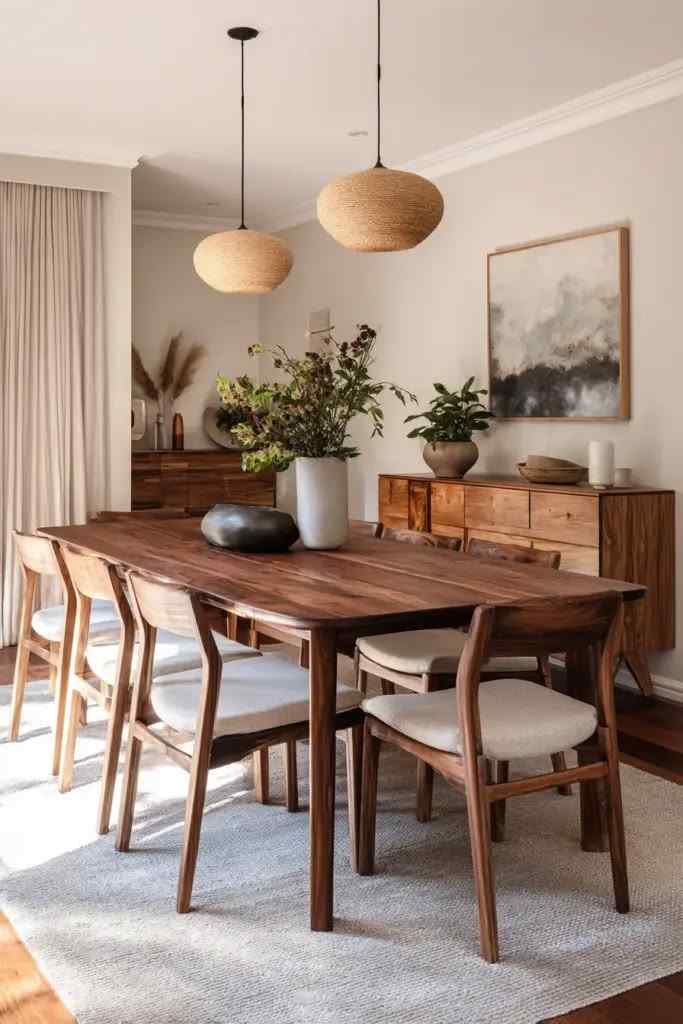
Instead of committing to one decorative arrangement all year, give yourself permission to switch things around.
Some weeks the table might hold fresh flowers.
Other weeks it could be a bowl of fruit, a cluster of candles, or nothing at all because you’ve been using every inch of the table for baking projects or family dinners.
Decorating becomes much less stressful when it can adapt to real life.
23. Use a Runner or Tablecloth to Change the Mood in Minutes
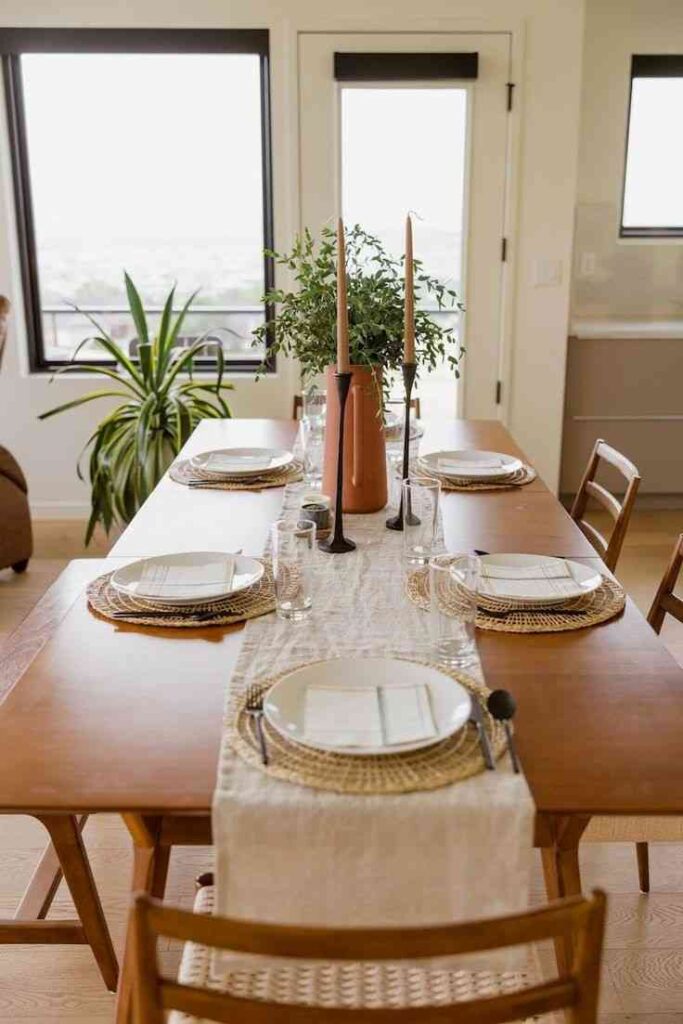
One of my favorite things about decorating a dining room is that the table doesn’t have to look the same all year. Sometimes I leave the wood completely exposed because I love its natural character.
Other times, I’ll lay down a linen runner or a relaxed tablecloth simply because the room feels like it needs a little softness.
It’s one of the easiest ways to refresh your dining room without moving a single piece of furniture.
If you’re someone who likes changing your home with the seasons, keep two or three runners or tablecloths in different colors or textures.
24. Let Your Dining Room Reflect the Rest of Your Home
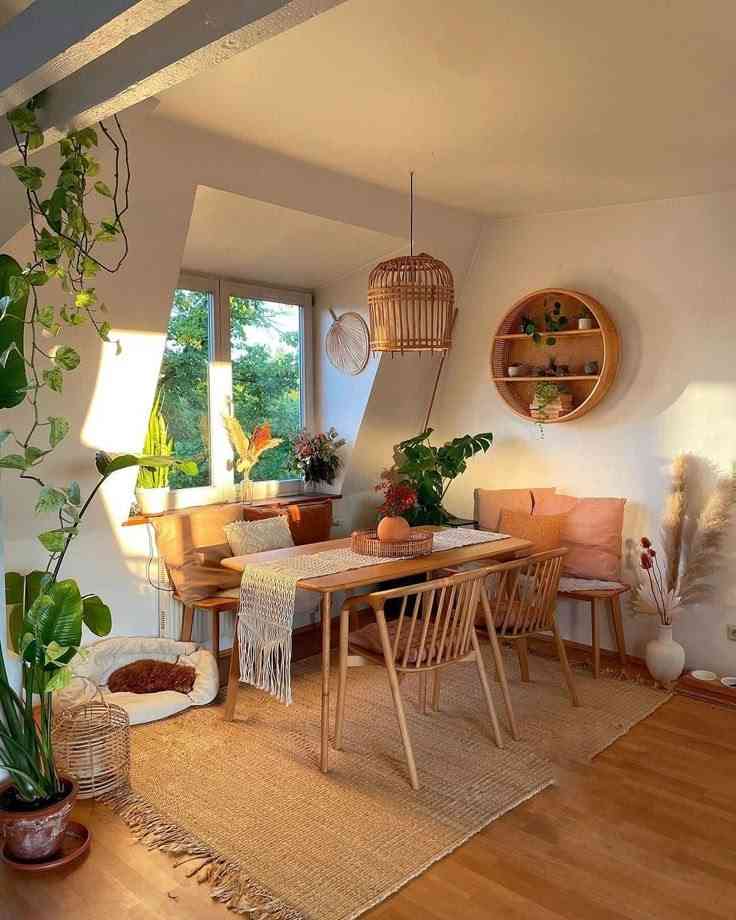
One mistake that’s easy to make is decorating each room as if it were living in its own world.
Instead, carry small details from nearby spaces into the dining room.
If your living room has warm wood tones, repeat them here. If your kitchen uses matte black hardware, introduce a few black accents nearby.
Those subtle connections make your home feel cohesive as you move from one room to the next.