How to Get Rid of Back Acne Without Making It Worse
Struggling with back acne? Learn what causes bacne, the best skincare ingredients to use, and 10 dermatologist-recommended tips to help clear your skin.
This post contains affiliate links, which means that I may receive a small commission if you purchase through them (at no extra cost for you).
There’s nothing more frustrating than finally feeling confident enough to wear a tank top or open-back dress, only to realize your back has other plans. As someone who’s struggled with body acne myself, I know how discouraging it can be. I’ve tried covering it up, avoiding certain clothes, and wondering why nothing seemed to make a difference.
The good news? You don’t need an overly complicated routine or a shelf full of expensive products. Once I started understanding what was actually causing my breakouts and made a few simple changes to my routine, I began to notice a real improvement. While everyone’s skin is different, there are a handful of dermatologist-recommended habits and ingredients that can make a big difference.
Ahead, I’m sharing what causes back acne, the everyday mistakes that can make it worse, and the tips that have helped me, and many others, work toward clearer, healthier-looking skin.
What Causes Back Acne?
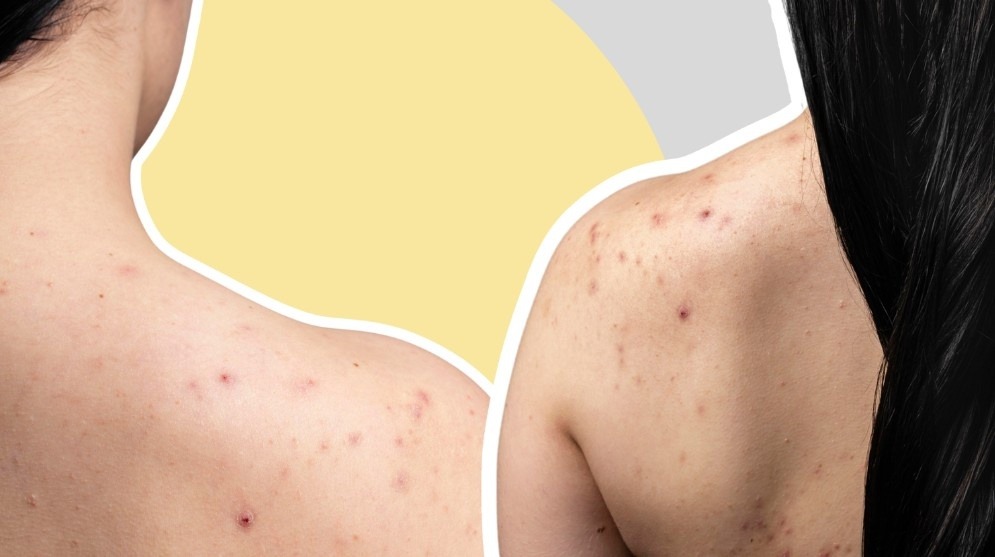
Back acne develops for many of the same reasons as facial acne. When excess oil, dead skin cells, and bacteria become trapped inside your pores, they can trigger breakouts ranging from small pimples to larger, more painful blemishes. Because your back has a high concentration of oil glands, it’s one of the most common places for acne to appear.
Hormonal changes are one of the biggest contributors, which is why many people notice flare-ups during puberty, around their menstrual cycle, or during periods of increased stress. Sweating after workouts, wearing tight clothing that rubs against the skin, and even residue from hair products can also make breakouts more likely by creating the perfect environment for clogged pores.
While it can be frustrating to deal with, understanding what causes back acne makes it much easier to choose products and habits that actually help rather than accidentally making your skin worse.
How to Get Rid of Back Acne
1. Shower as Soon as You Can After Sweating
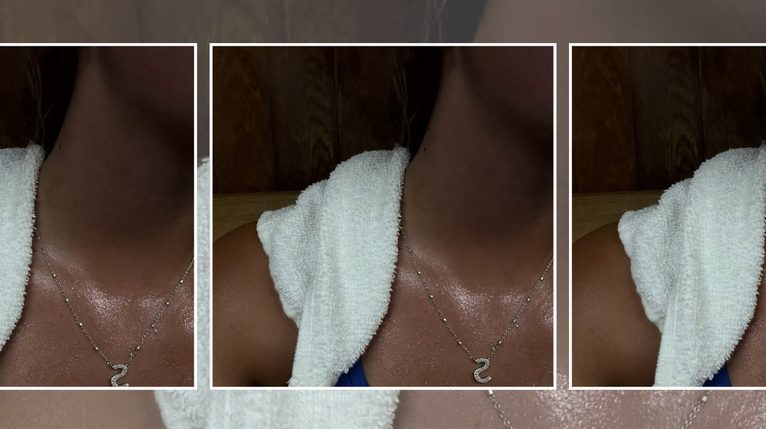
If you’ve ever noticed that your back acne seems worse after a workout or a hot summer day, sweat could be part of the reason. Sweat itself doesn’t cause acne, but when it mixes with oil, bacteria, and dead skin cells, it creates an environment where clogged pores are more likely to develop.
You don’t have to rush to the shower the second you finish exercising, but try not to stay in sweaty clothes for hours. Cleansing your skin soon after physical activity helps wash away the buildup before it has a chance to settle into your pores.
If you can’t shower right away, changing into a clean, dry shirt is a simple habit that can still make a difference.
2. Switch to a Body Wash Made for Acne-Prone Skin
One of the biggest mistakes people make is treating back acne with a regular body wash that isn’t designed to target breakouts.
While there’s nothing wrong with using a gentle cleanser, stubborn bacne usually responds better to ingredients that help unclog pores and reduce acne-causing bacteria.
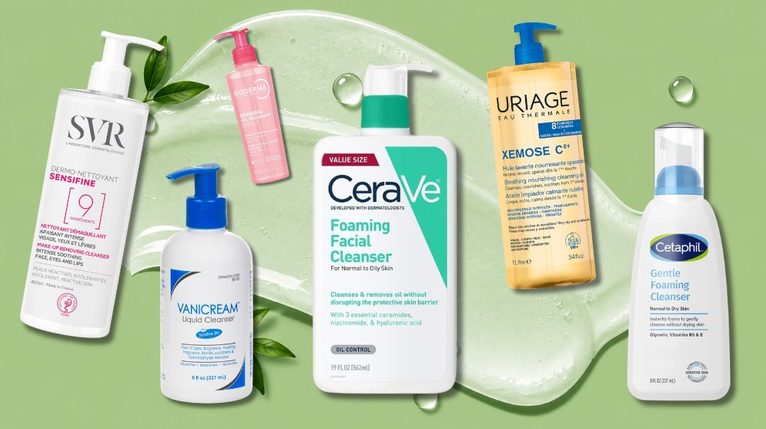
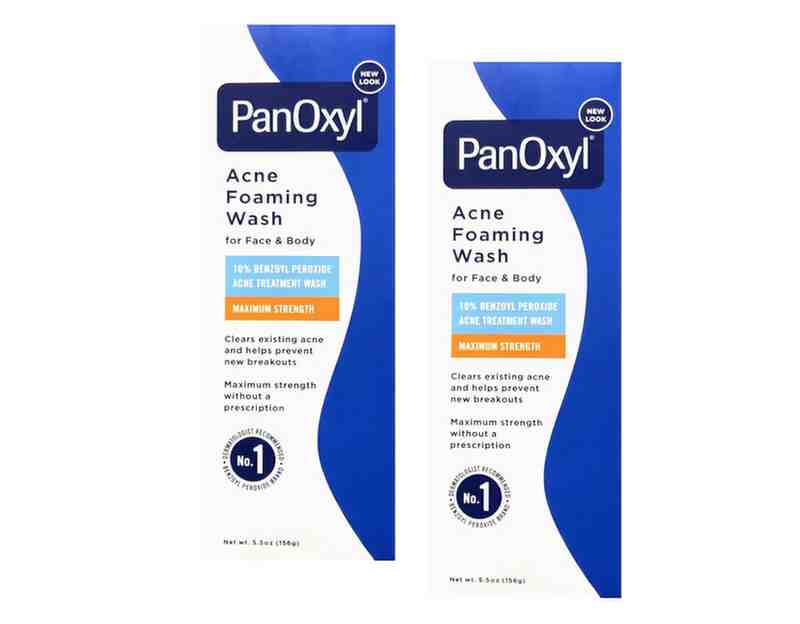
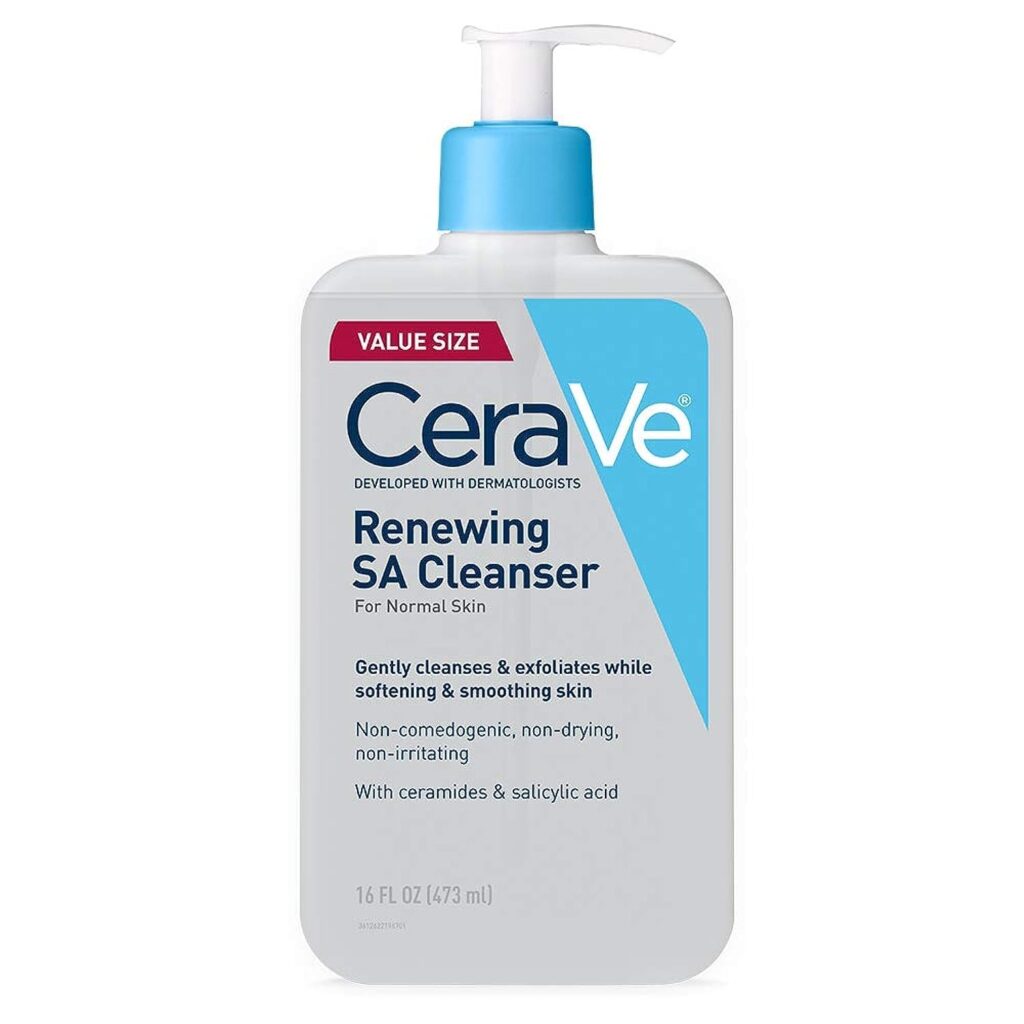
Look for a body wash containing salicylic acid or benzoyl peroxide. Salicylic acid helps remove excess oil and dead skin from inside the pores, while benzoyl peroxide targets the bacteria that contribute to acne.
You don’t need to use multiple acne products at once, sometimes simply upgrading your body wash is enough to start seeing results.
Products I Recommend for Back Acne That I Have Tried:
3. Wear Clothes That Let Your Skin Breathe
The clothes you wear can have a bigger impact on your skin than you might realize. Tight tops, sports bras, and synthetic fabrics tend to trap heat and moisture against your body, creating the perfect conditions for clogged pores.
Whenever possible, choose lightweight, breathable fabrics, especially during warmer months or when you’re exercising. Giving your skin a little room to breathe can reduce irritation and help prevent new breakouts from forming.
4. Don’t Stay in Workout Clothes
It can be tempting to finish your workout, run errands, and deal with your shower later. Unfortunately, spending hours in damp workout clothes gives sweat, oil, and bacteria more time to sit against your skin.
Making it a habit to change into clean clothing after exercising is one of the easiest ways to support clearer skin. It’s a small change, but one that can have a noticeable impact if you’re prone to body acne.
5. Be Gentle With Your Skin
When you’re frustrated with breakouts, it’s natural to think that scrubbing harder will help clear them faster. In reality, harsh scrubbing often does the opposite.
It can irritate inflamed skin, damage your skin barrier, and leave existing blemishes looking even redder.
Instead, cleanse your back gently using your hands or a soft washcloth. After your shower, pat your skin dry with a clean towel rather than rubbing it. Treating your skin gently gives it a better chance to heal.
6. Skip Harsh DIY Scrubs
As a victim of Homemade sugar scrubs and rough exfoliating gloves i know it might leave your skin feeling smooth for a day, but they aren’t the best choice if you’re dealing with active acne.
Physical exfoliation can aggravate inflamed pimples and make your skin more sensitive.
If you feel like your skin needs exfoliation, a product containing salicylic acid is usually a better option.
Instead of scrubbing the surface, it works inside the pores to loosen excess oil and dead skin cells, helping prevent future breakouts without unnecessary irritation.
7. Pay Attention to Your Hair Products
Sometimes the culprit isn’t your skincare routine at all. Conditioners, leave-in treatments, oils, and styling creams can run down your back while you’re rinsing your hair, leaving behind residue that may contribute to clogged pores.
A simple trick is to wash your hair first and cleanse your body afterward. That final rinse helps remove any leftover product from your skin before you step out of the shower.
8. Keep Your Bedding and Towels Clean
Your sheets and towels collect more than you probably realize. Oil, sweat, dead skin cells, and bacteria can build up over time, especially if you shower at night or sleep after exercising.
Changing your bed sheets and bath towels regularly gives your skin a cleaner surface to come into contact with every day.
While it won’t cure acne on its own, it’s an easy habit that supports the rest of your skincare routine.
9. Give Your Products Time to Work
It’s easy to get discouraged when you don’t see clearer skin after a week or two, but acne treatments rarely work overnight. Most over-the-counter products need several weeks of consistent use before noticeable improvements begin to appear.
Instead of switching products every few days, stick with a routine long enough to let the active ingredients do their job.
Consistency is often more important than having a complicated skincare routine filled with dozens of products.
10. Know When It’s Time to See a Dermatologist
If your back acne is painful, leaves scars, or simply isn’t improving despite your best efforts, it may be time to seek professional advice.
A dermatologist can determine whether prescription treatments, such as topical retinoids, oral medications, or hormonal therapies, are a better fit for your skin.
There’s no reason to feel embarrassed about asking for help. Back acne is one of the most common skin concerns dermatologists treat, and getting expert guidance can save you months of trial and error.
When Should You See a Dermatologist?
While mild back acne often responds well to over-the-counter products and consistent skincare habits, persistent or severe breakouts deserve professional attention.
If your acne is deep, painful, leaving scars, or hasn’t improved after two to three months of regular treatment, it’s worth booking an appointment with a dermatologist.
They can recommend treatments that aren’t available over the counter and help you identify whether hormones, medications, or another underlying factor could be contributing to your breakouts.
Related posts:
- 11 Acne Myths You’ve Probably Heard (But Definitely Shouldn’t Believe)
- How to Get Rid of Pimples Overnight: 14 Real Remedies That Actually Work