22 Kitchen Backsplash Ideas That Add Real Value to Your Space
Explore 22 kitchen backsplash ideas that combine design and function. This guide helps you choose a backsplash that fits your lifestyle, lighting, and long-term aesthetic.
Most people approach a kitchen backsplash as a finishing touch, something to pick at the end, once cabinets and countertops are already decided upon.
That’s usually where things go wrong.
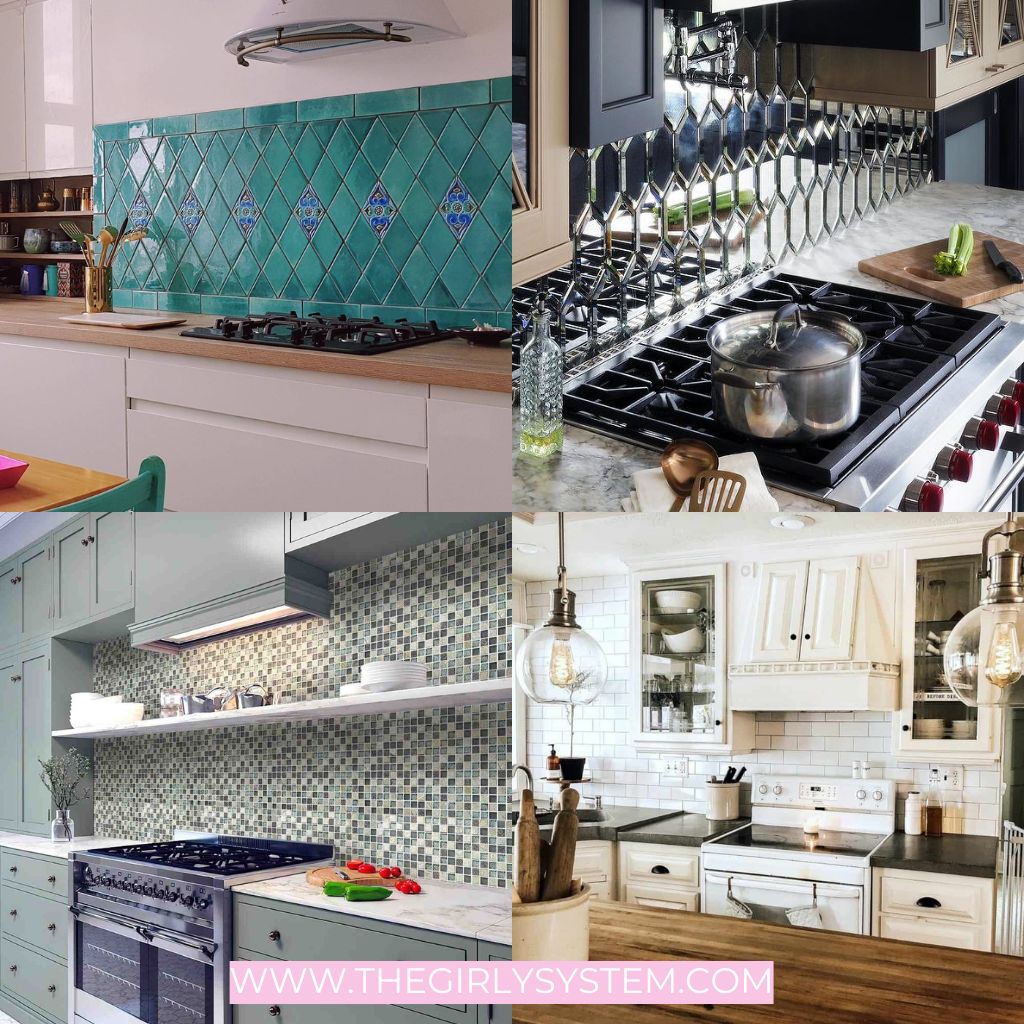
A backsplash sits at eye level, reflects light across the entire room, and visually connects every major element in your kitchen.
It influences how clean your space looks, how bright it feels during the day, and how cohesive everything appears at night under artificial lighting.
And yet, it’s often chosen based on a quick visual preference rather than how it actually performs in a real home.
If you’ve ever saved dozens of ideas but still feel unsure, it’s likely because you’re missing context, not options.
This guide is built to give you that context.
Each backsplash idea below is explained with intention: where it works best, what to consider before committing, and how it impacts the overall feel of your kitchen.
The goal isn’t to overwhelm you with trends, it’s to help you make a decision you’ll still feel confident about a year from now.
Related post:
Kitchen Backsplash Ideas
1. White Subway Tile
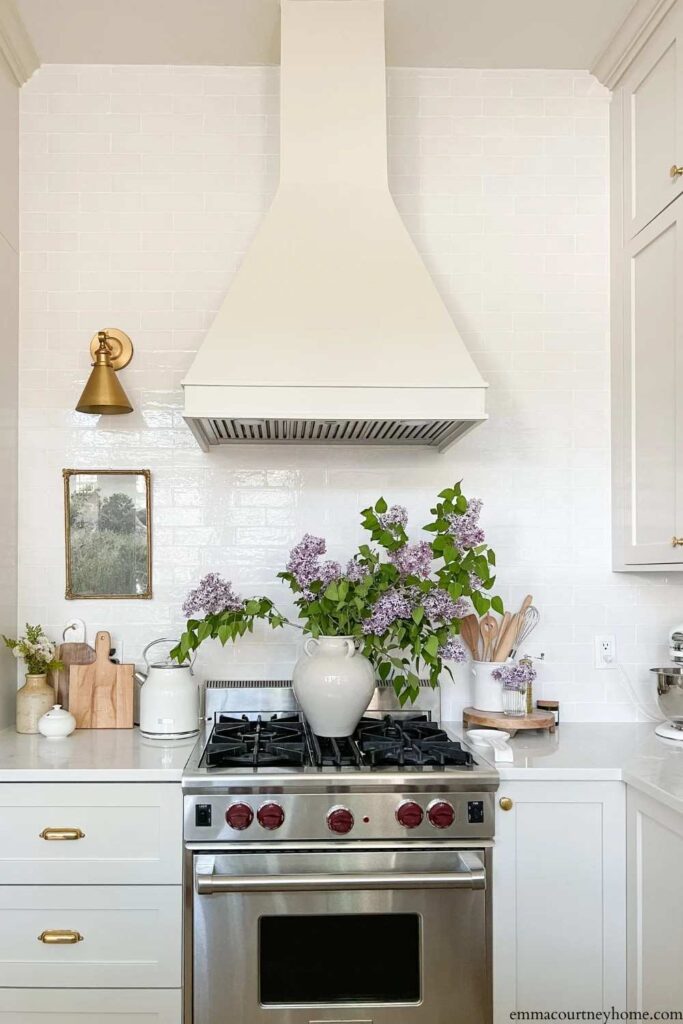
White subway tile remains one of the most reliable backsplash choices, but its success depends almost entirely on execution.
A standard horizontal layout can feel predictable, especially in newer kitchens where it’s been widely used.
Shifting the layout, such as vertical stacking or a herringbone pattern, introduces structure and direction, making the backsplash feel considered rather than default.
This approach is ideal if you want something timeless while still maintaining a sense of design awareness.
It also adapts well to future updates, which makes it a practical long-term choice.
2. Zellige Tile
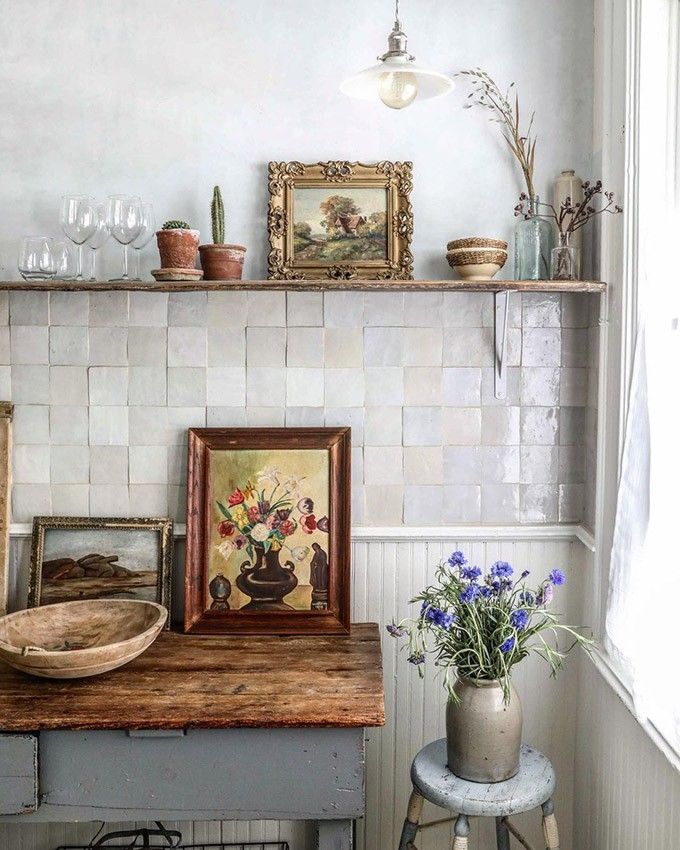
Zellige tile stands out because of its surface variation rather than its color.
Each tile reflects light slightly differently, which creates movement across the wall without relying on bold patterns or contrast.
This makes it particularly effective in neutral kitchens where flat finishes can feel one-dimensional.
However, the irregularity means installation needs to be done carefully, and spacing may not be perfectly uniform.
If you value subtle texture over precision, this material offers a refined but distinctive result.
3. Full Marble Slab
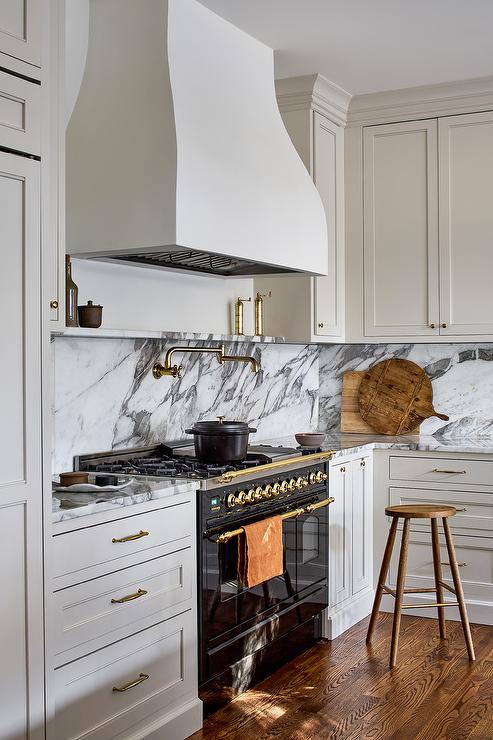
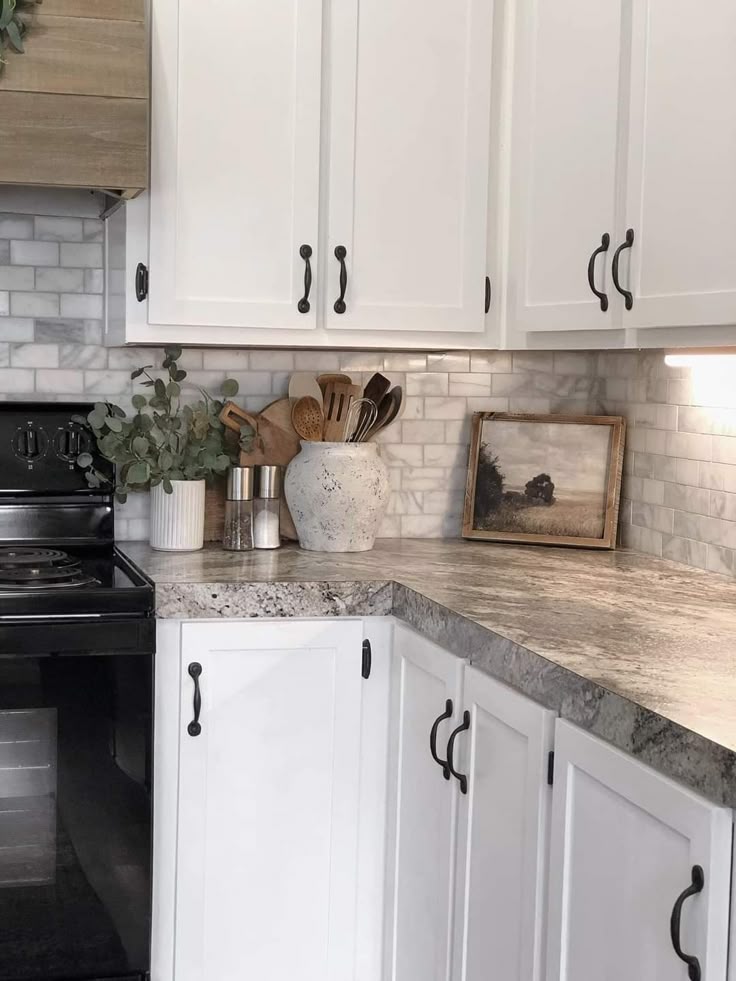
A marble slab backsplash eliminates grout lines entirely, which immediately changes how the wall is perceived.
Instead of a segmented surface, you get one continuous material that feels intentional and cohesive.
This approach works especially well in kitchens that aim for a clean, architectural look. It also simplifies cleaning.
The main consideration is balance, because marble has natural movement, the surrounding elements should remain relatively restrained to avoid visual competition.
4. High-Quality Peel-and-Stick
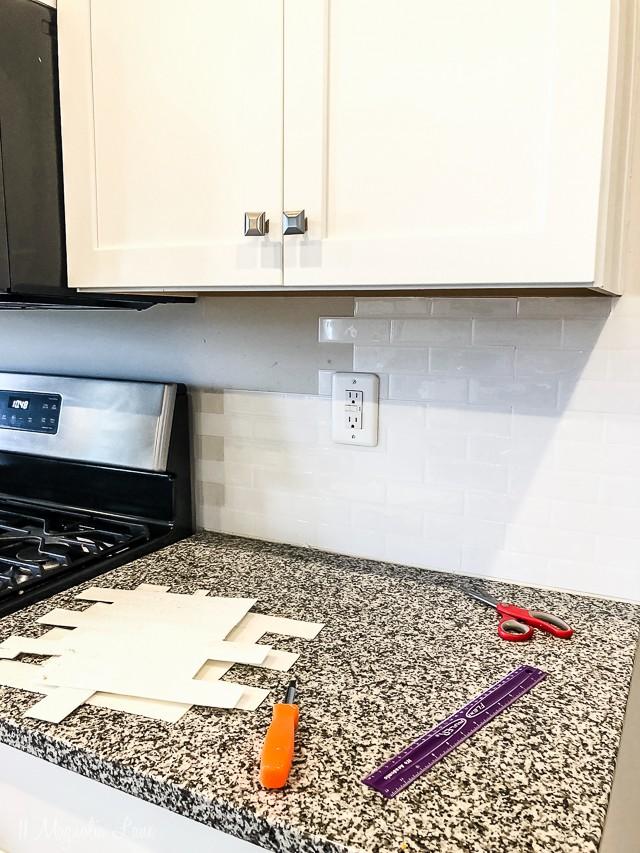
Peel-and-stick backsplashes have evolved significantly and can now serve as a realistic short- to mid-term solution.
The key is selecting options that mimic depth, matte finishes, and lightly textured surfaces tend to perform best visually.
This is a practical choice for renters or for testing a design direction before committing to permanent materials.
While it won’t fully replicate the durability of tile or stone, it can still create a polished look when installed carefully and paired with the right lighting.
5. Light Tile with Dark Grout
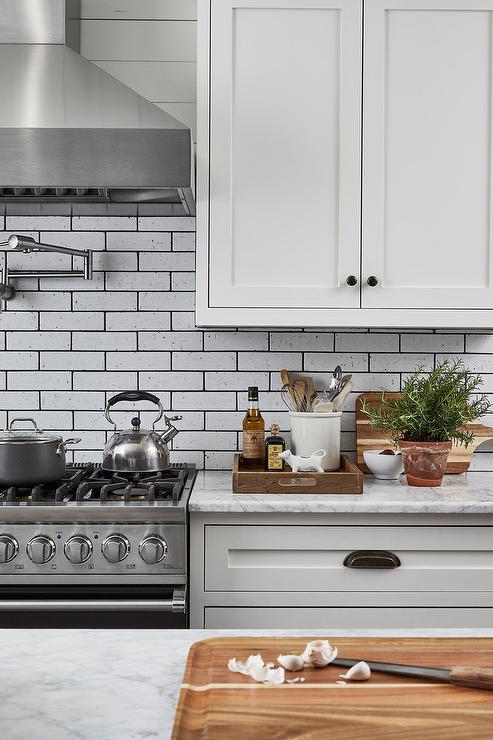
Grout plays a larger role than most people expect.
Pairing light tiles with darker grout creates a defined grid that adds structure while also helping conceal stains and discoloration over time.
This combination is especially useful in high-use kitchens where splashes and cooking residue are unavoidable.
It allows you to maintain a cleaner appearance with less frequent upkeep, making it a practical decision as much as a visual one.
6. Full-Height Backsplash
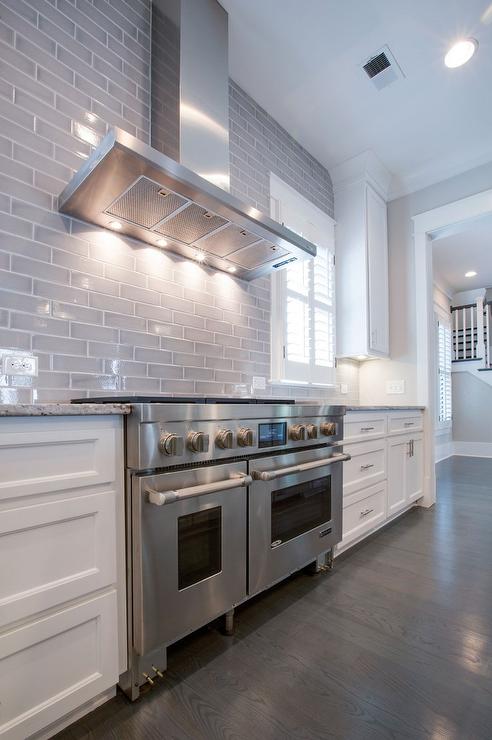
Extending your backsplash all the way to the ceiling creates a sense of completeness that shorter installations often lack.
It draws the eye upward and can make the kitchen feel more expansive.
This approach is particularly effective in spaces with open shelving or minimal upper cabinets, where more wall surface is visible.
It also provides better protection against splashes, especially around cooking areas.
7. Natural Stone Kitchen Backsplash
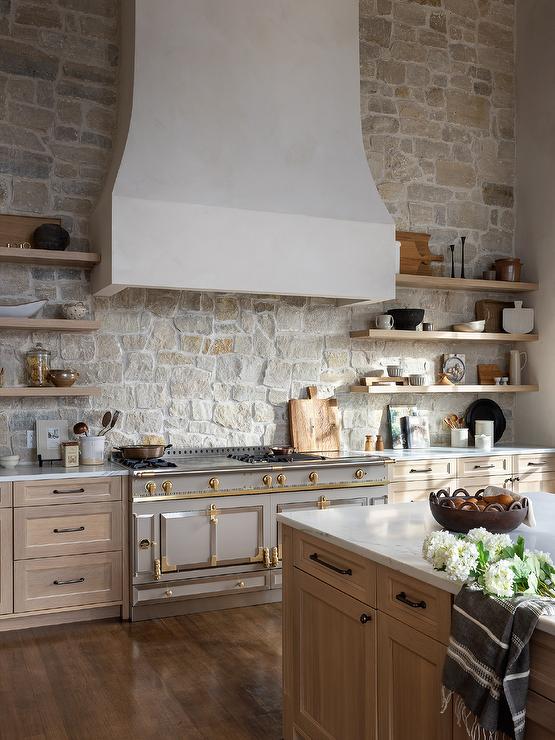
Natural stone backsplashes, such as travertine or limestone, introduce variation in tone and texture that manufactured tiles can’t fully replicate.
This creates a softer, more layered look that feels grounded.
However, natural stone requires sealing and ongoing maintenance to prevent staining.
It’s best suited for homeowners who are comfortable with a material that evolves slightly over time rather than remaining uniform.
8. Glass Tile Kitchen Backsplash
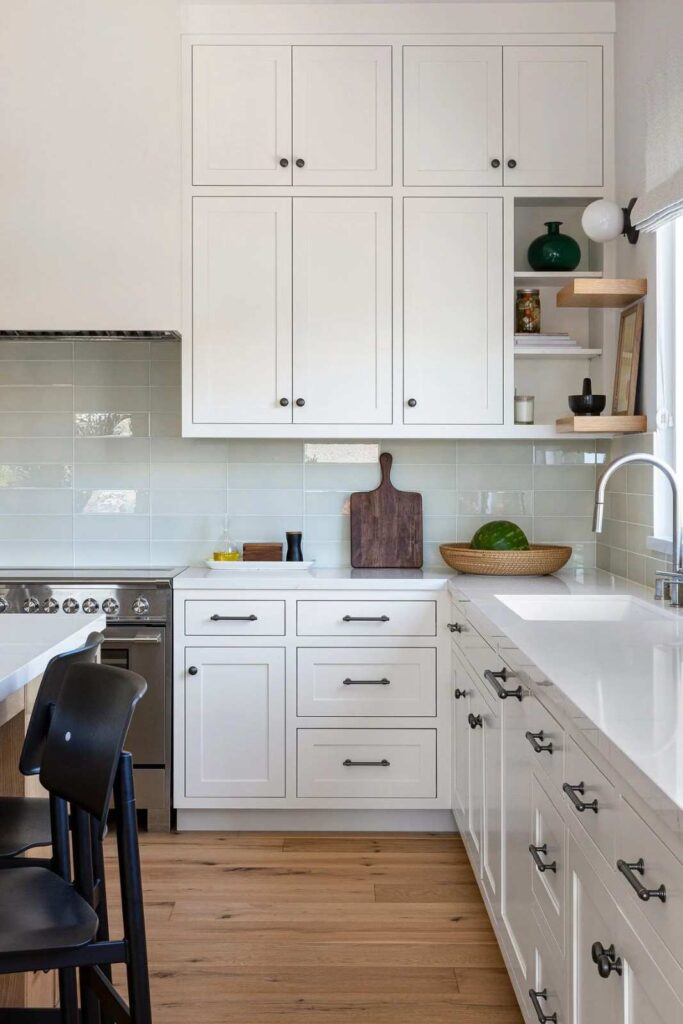
Glass tiles reflect both natural and artificial light, which can significantly affect how bright your kitchen feels.
In smaller or darker kitchens, this can make a noticeable difference in overall atmosphere.
The effect is strongest when paired with under-cabinet lighting.
Neutral shades tend to age more gracefully, while bold colors can feel more tied to specific design trends.
9. Herringbone Kitchen Backsplash
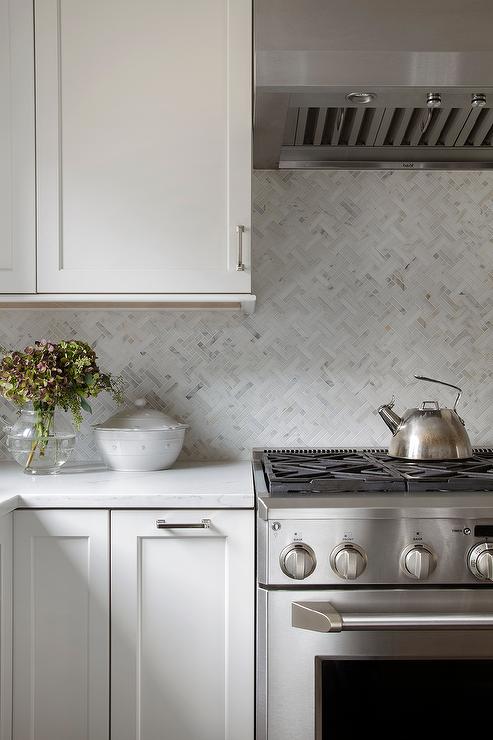
A herringbone layout introduces directional movement, which can make a backsplash feel more dynamic without adding new materials or colors.
This works especially well in focal areas, such as behind a range or sink, where you want a bit more visual interest.
It’s a strategic way to elevate a simple tile choice without increasing complexity elsewhere.
10. Matching Countertop and Backsplash
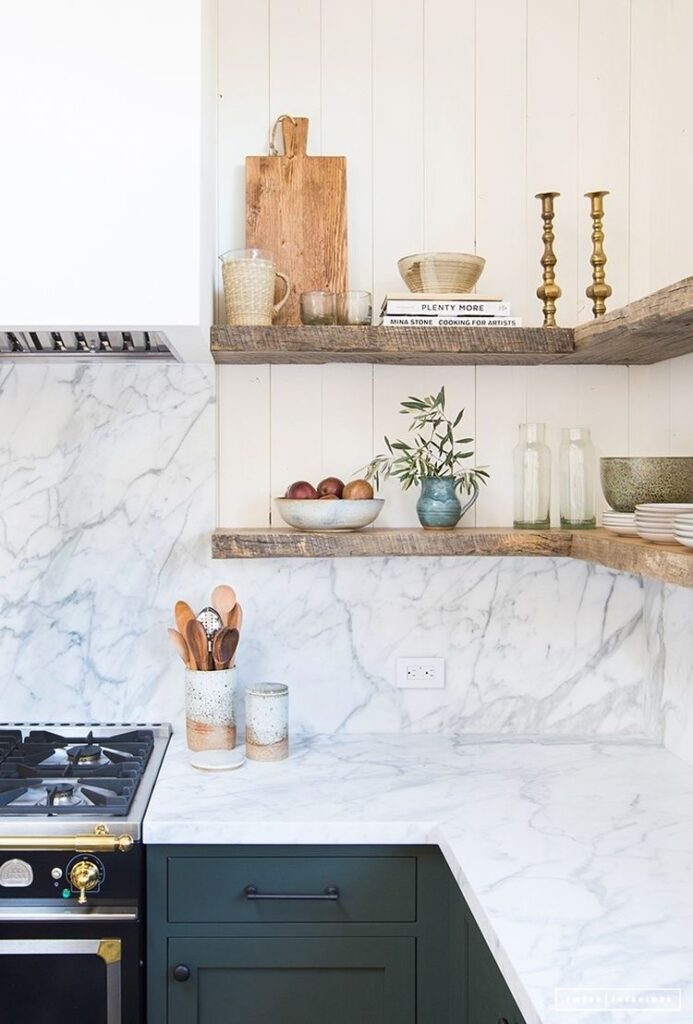
Using the same material for both the countertop and backsplash creates a seamless transition that reduces visual breaks.
This can make the entire kitchen feel more unified and intentionally designed.
It’s particularly effective in smaller kitchens, where too many contrasting elements can feel fragmented.
The result is clean, streamlined, and easy to maintain.
11. Bold Tile Kitchen Backsplash
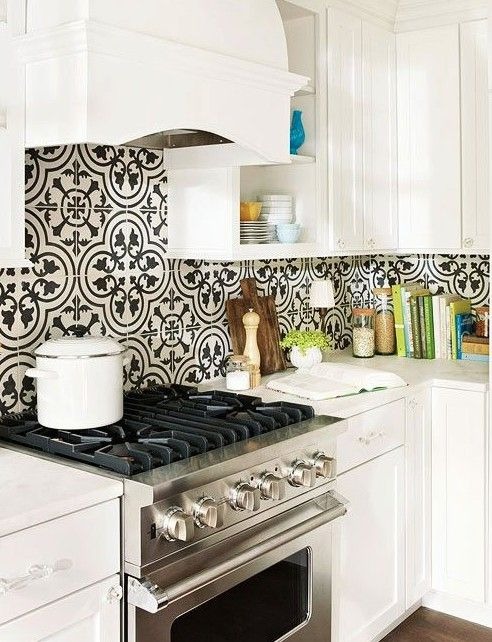
Introducing color into your backsplash can be highly effective when the surrounding elements are kept simple.
Deep greens, blues, or earthy tones add personality without requiring additional decoration.
The key is restraint, cabinetry, hardware, and countertops should support the backsplash rather than compete with it.
When balanced correctly, color can anchor the entire kitchen design.
12. Metallic Accents
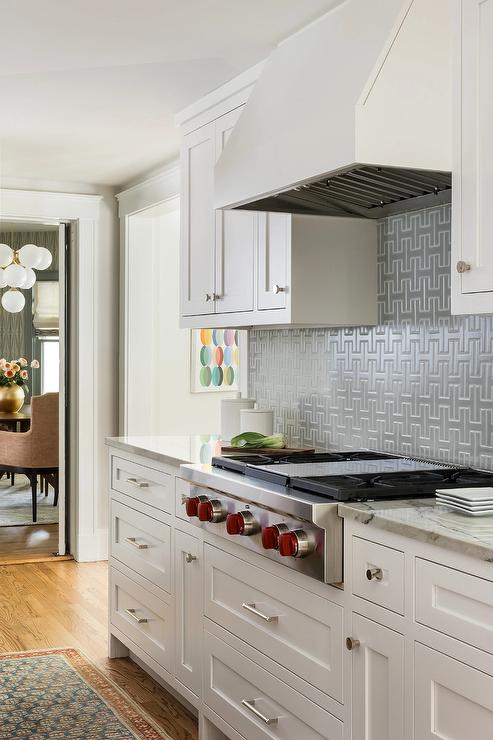
Incorporating metallic tiles or accents, such as brass or copper, adds subtle variation through reflection rather than color.
Used in moderation, these elements catch light and create depth, especially under focused lighting.
This approach works best as a complement to neutral tiles rather than as a dominant feature.
13. Kitchen Backsplash Matte Black
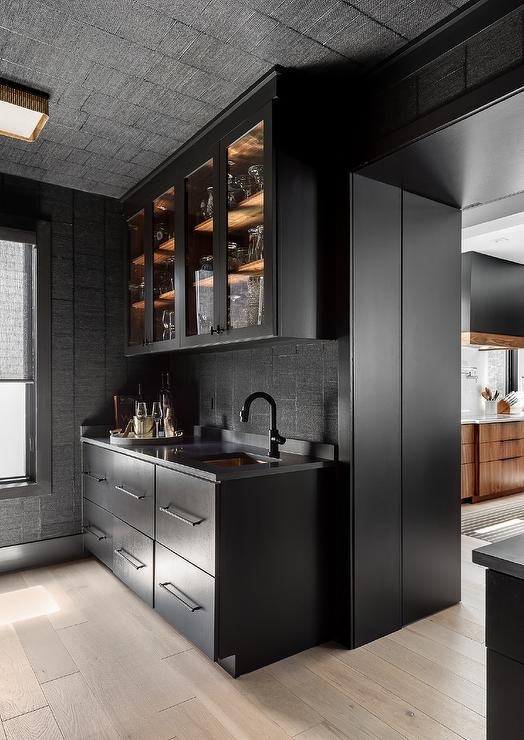
A matte black backsplash creates a defined contrast against lighter cabinetry and surfaces.
It also conceals minor stains and marks more effectively than expected.
However, lighting becomes critical.
In kitchens with limited natural light, black surfaces can feel heavy, so it’s important to balance them with lighter surrounding elements.
14. Handmade Ceramic
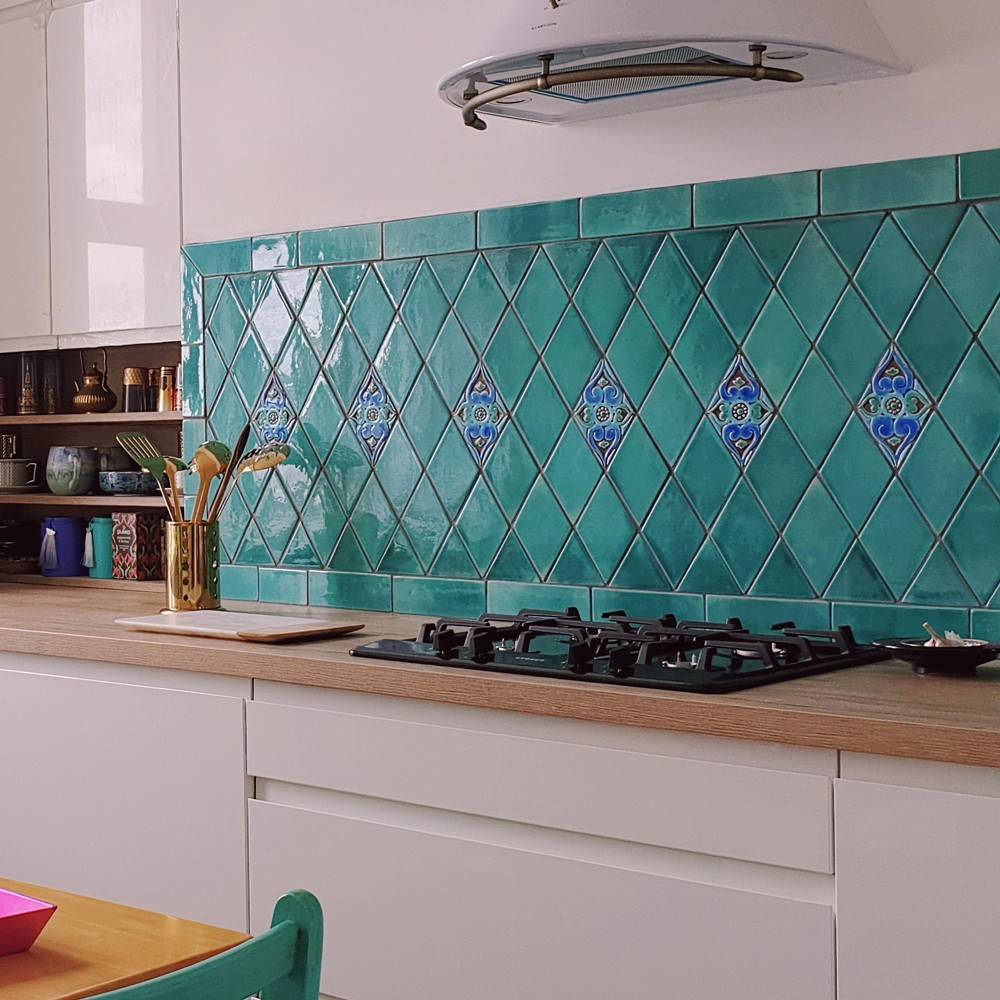
Handmade tiles introduce small variations in shape and glaze, which prevents the backsplash from feeling overly uniform.
This adds a sense of individuality and can make the kitchen feel more considered.
t’s a subtle detail, but one that contributes to a more layered and thoughtful design.
15. Vertical Stack Tile
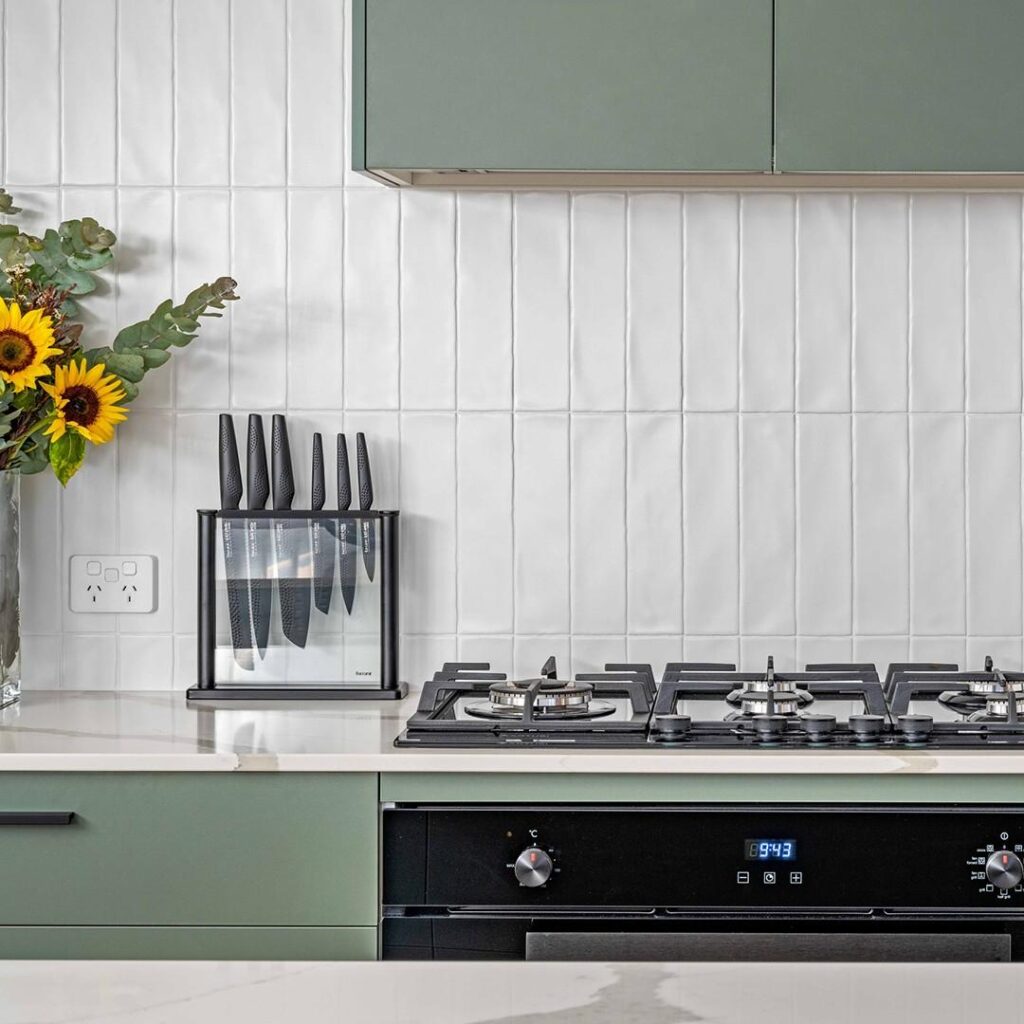
A vertical stack layout shifts the visual rhythm of traditional rectangular tiles, creating clean, uninterrupted lines that draw the eye upward.
This approach works particularly well in kitchens with lower ceilings, as it subtly enhances the perception of height.
It also aligns with more contemporary interiors, where simplicity and structure tend to take priority over decorative patterns.
The result feels current without relying on trend-driven materials.
16. Patterned Cement Tile
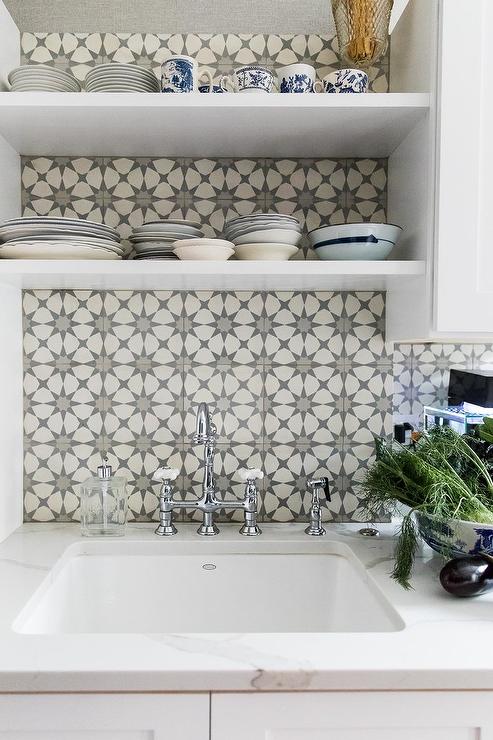
Patterned cement tiles introduce visual interest through repetition and detail, but their effectiveness depends on placement.
Using them across an entire kitchen can feel excessive, especially in smaller spaces.
Instead, limiting the pattern to a specific zone, such as behind the stove, creates a focal point while allowing the rest of the kitchen to remain visually balanced.
This approach gives you character without sacrificing cohesion.
17. Wood Kitchen Backsplash
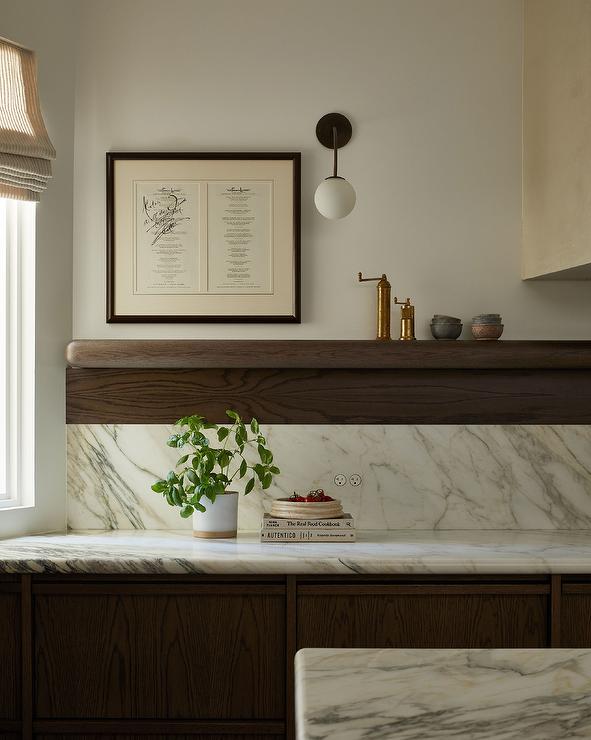
Wood is not a conventional backsplash material, but when used strategically, it can introduce warmth that tile and stone often lack.
It’s best suited for low-exposure areas, such as coffee stations or sections away from direct heat and heavy moisture.
Proper sealing is essential to maintain durability.
When paired with stone countertops or painted cabinetry, wood creates contrast that feels intentional rather than decorative.
18. Mirrored Backsplash
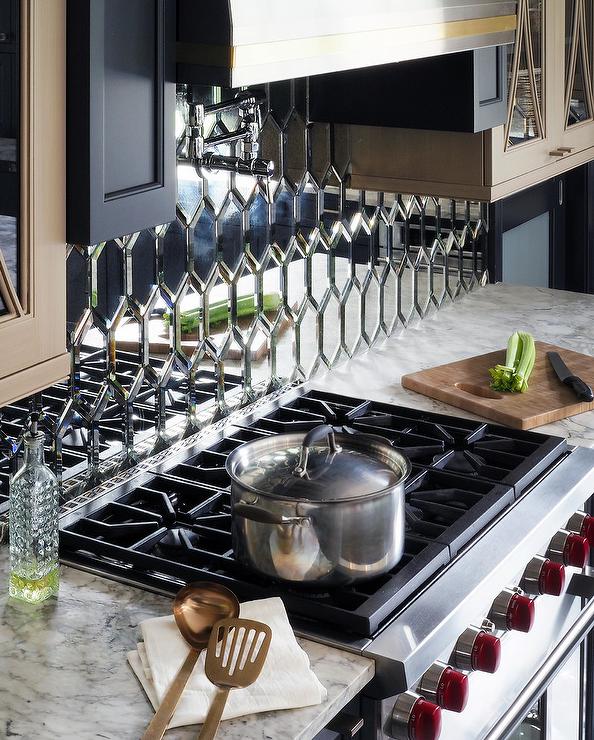
A mirrored backsplash reflects both light and surrounding elements, which can make a kitchen feel larger and more open.
This is particularly useful in compact layouts where maximizing visual space matters.
However, it requires a higher level of maintenance, as fingerprints and splashes are more visible.
It’s a strong choice for those who prioritize spatial impact and are willing to manage upkeep accordingly.
19. Two-Tone Kitchen Backsplash
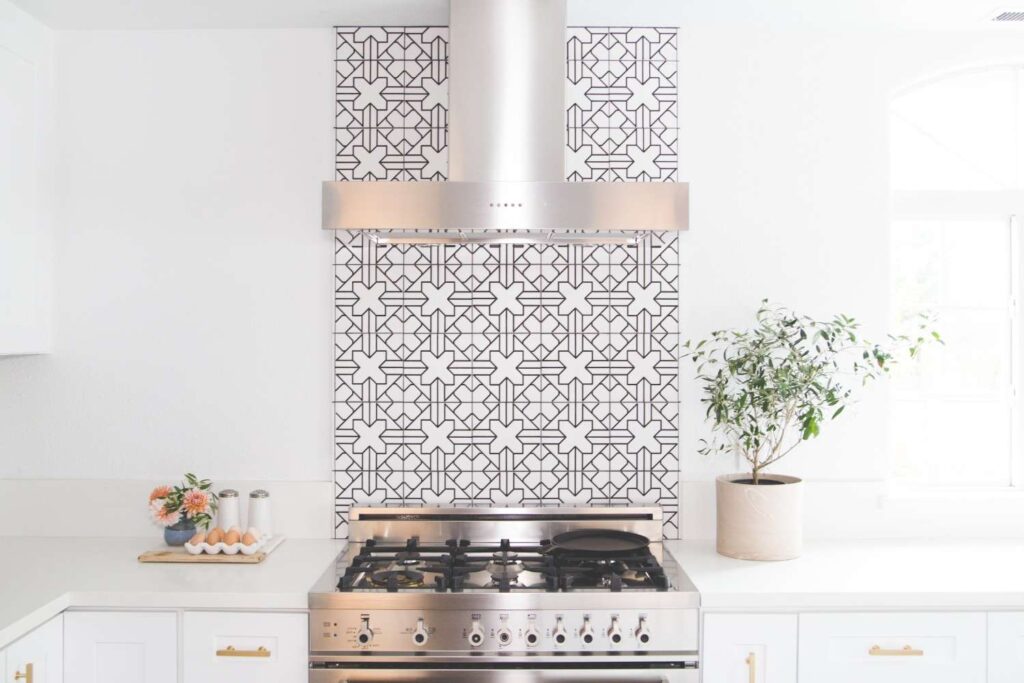
Combining two materials or colors within a backsplash allows you to define different zones in a subtle but effective way.
For example, a neutral tile across most of the wall paired with a contrasting section behind the range introduces variation without disrupting the overall design.
The key is maintaining a clear hierarchy, one element should lead, while the other supports.
20. Micro Kitchen Backsplash Tiles
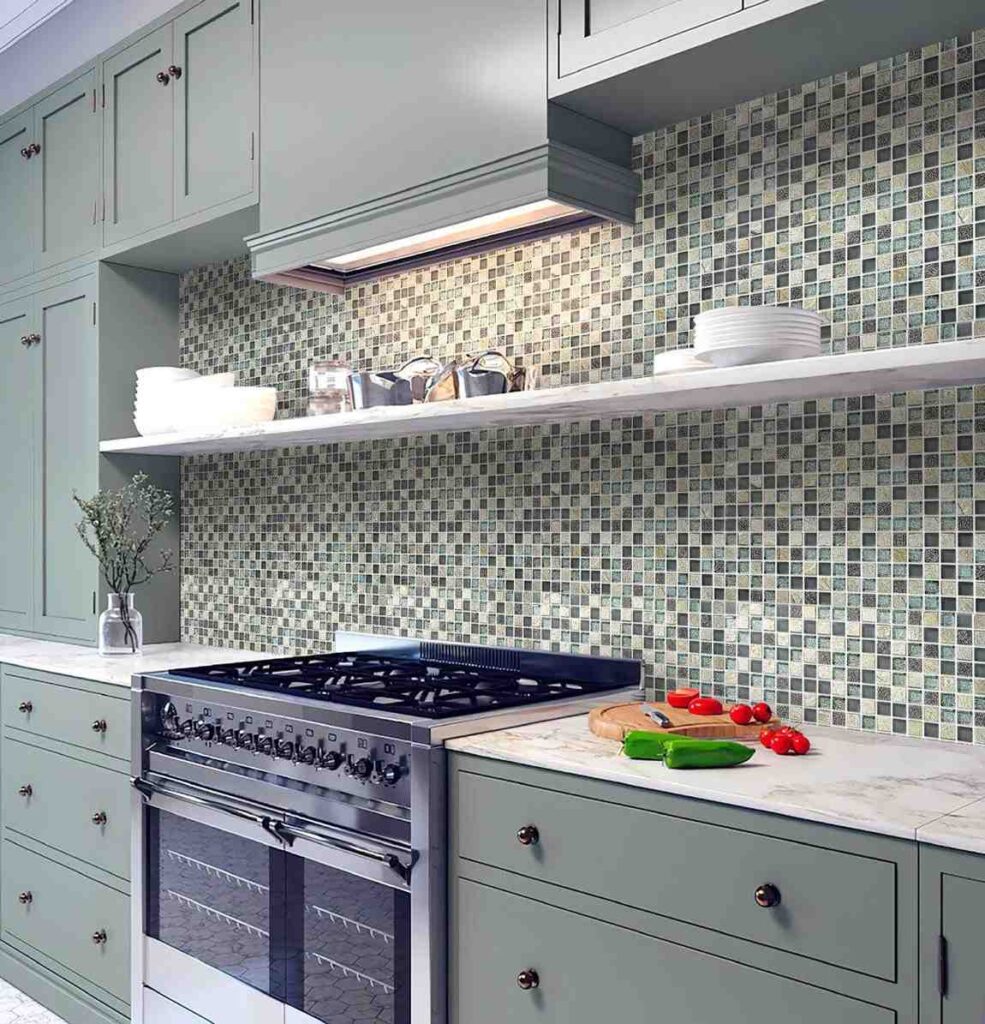
Micro tiles, such as mosaics, create a dense pattern that adds texture at a smaller scale.
From a distance, they read as a unified surface, but up close, they offer intricate detail.
This makes them a strong option for minimalist kitchens that still need some level of visual interest.
The grout choice becomes especially important here, as it directly affects how pronounced the pattern appears.
21. Concrete Backsplash
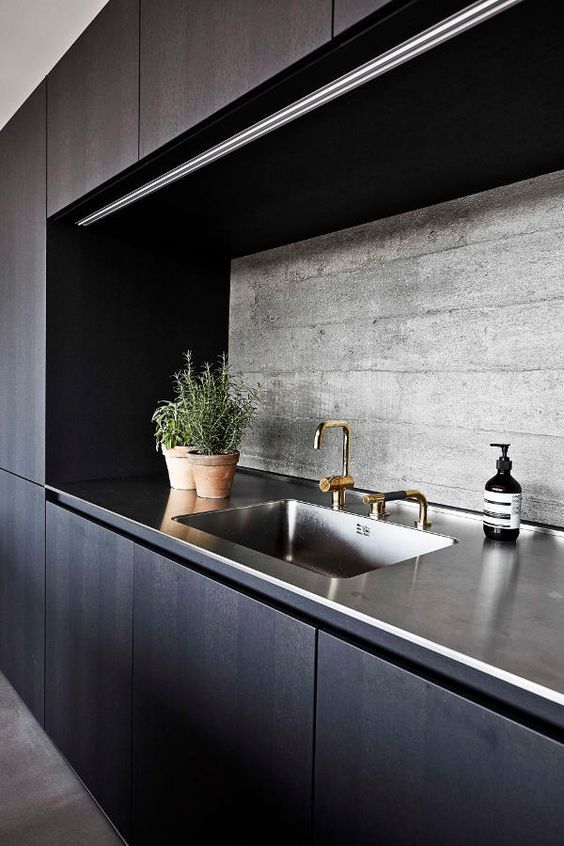
Concrete offers a smooth yet slightly imperfect surface that aligns well with modern and minimalist interiors.
Its appeal lies in its restraint, it doesn’t rely on pattern or color but rather on subtle tonal variation and texture.
Sealing is required to protect against stains, and installation should be precise to avoid uneven finishes that feel unintentional rather than designed.
22. Extending the Backsplash
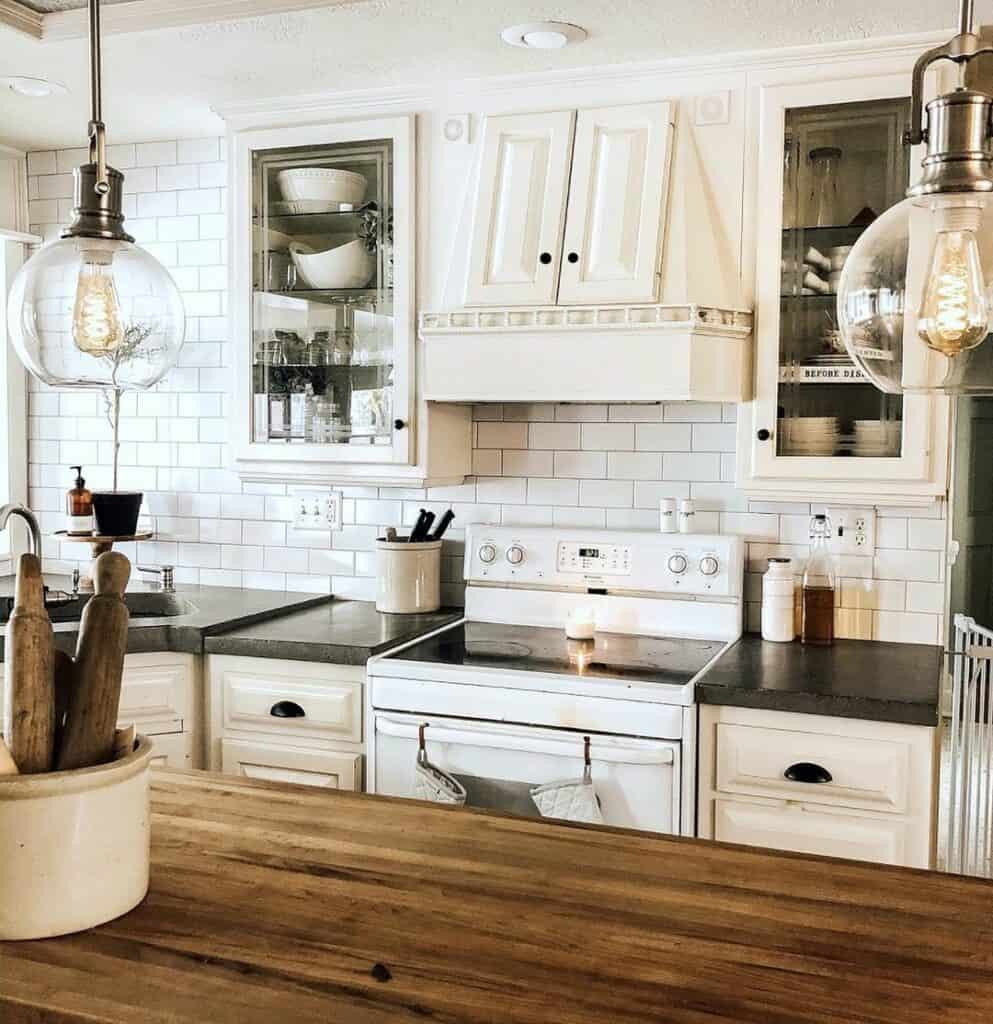
Wrapping the backsplash material around window frames eliminates abrupt transitions between surfaces and creates a more cohesive wall treatment.
This detail is often overlooked, but it has a noticeable impact on how finished the kitchen feels.
It also simplifies maintenance by reducing exposed painted areas that are more susceptible to stains and wear over time.
This post showed you the best kitchen backsplash ideas.