Avoid these 10 costly kitchen renovation mistakes in 2025. Learn how to save money, stress, and create a timeless kitchen you’ll love for years.

Thinking about a kitchen remodel?
It’s one of the most exciting projects you can take on, and one of the easiest to regret.
Between soaring costs, endless design choices, and construction chaos, even the smallest oversight can snowball into a big headache.
A kitchen remodel is a big investment, financially and emotionally.
By steering clear of these mistakes, you set yourself up for a renovation that’s not only beautiful but also functional, durable, and worth every dollar.
That’s why knowing what not to do is just as important as knowing what to choose.
These are the 10 biggest kitchen remodel mistakes to avoid in 2025 if you want to love your kitchen for years, not just the first week after it’s done.
The goal isn’t just to create a kitchen you’ll be proud of the day it’s finished, it’s to create one you’ll still love ten years from now.

Related:
- 13 Beginner-Friendly Painting Kitchen Cabinets Ideas for a Flawless Finish
- 10 Best Kitchen Countertop Materials (Ranked by Cost, Durability & Style)
10 kitchen remodel mistakes to avoid
1. Over-Customizing Every Detail

Personal touches are what make a kitchen yours, but going too far with one-of-a-kind features can backfire.
That handmade tile you discovered abroad or the ultra-specialized lighting system might look incredible now, but if replacements are needed later, you’ll be stuck chasing parts that are nearly impossible to find.
Custom is wonderful in moderation, but when every feature requires special ordering or international shipping, your “dream” kitchen quickly becomes impractical.
2. Making Changes After Work Begins

Few things are more expensive in a remodel than changing your mind once construction is underway.
Even a small adjustment, like swapping in a larger oven, can require recutting stone countertops, shifting cabinetry, or reordering materials. Costs climb quickly, and delays are inevitable.
The key is to finalize your design before the first wall comes down so your budget and timeline don’t spiral out of control.
3. Forgetting the Budget Cushion
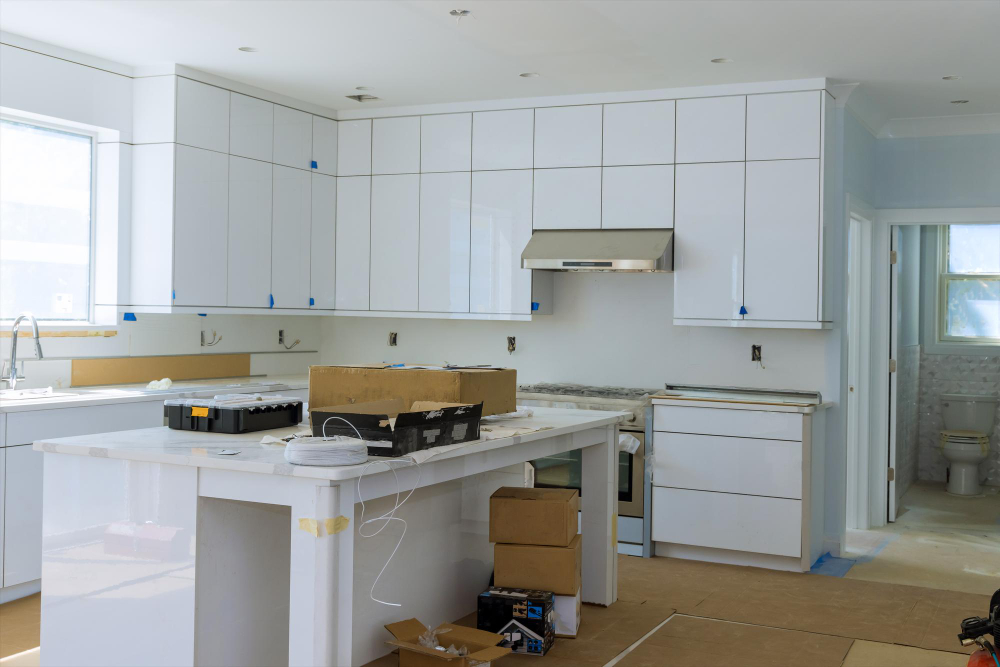
No matter how carefully you plan, remodels almost always cost more than expected.
Hidden wiring issues, plumbing surprises, or supply chain delays are all too common.
If you’ve spent every dollar on the initial design, you’ll be left scrambling when those extra costs appear.
Homeowners who build in a financial cushion, around 15–20% of the total budget, are the ones who finish their projects without panic.
4. Hiring the Wrong Contractor

The contractor you choose can make or break your project.
Someone who mainly builds decks or installs roofs won’t necessarily understand the intricacies of a kitchen.
A poor match can lead to miscommunication, uneven quality, and endless frustration.
Research is everything here: ask to see recent work, speak to past clients, and make sure kitchens are their specialty before you sign.
5. Skipping Precise Measurements

An inch may not seem like much, until your refrigerator doesn’t fit through the cabinet opening or your dishwasher sticks out past the counters.
These kinds of mistakes are surprisingly common and extremely costly.
Accurate measurements are non-negotiable, and it’s the contractor’s responsibility to get them right.
Don’t settle for close enough because in a kitchen, close is never good enough.
6. Paying Too Much Upfront

It may feel easier to hand over the money and get it out of the way, but paying in full before the work is completed is a mistake that leaves you vulnerable.
Once payment is made, there’s little incentive for a contractor to stay on schedule or address issues thoroughly.
A staggered payment plan tied to project milestones protects you and ensures accountability every step of the way.
7. Handing Over All Control to a Designer

Designers are talented at pulling together a vision, but your kitchen shouldn’t feel like it belongs in someone else’s home.
When homeowners step back completely, they often end up with finishes, colors, or layouts that don’t reflect their taste or worse, don’t fit their daily lifestyle.
Working with a designer should be a collaboration, where you stay involved, ask questions, and guide decisions to make sure the result feels authentically yours.
8. Trying to Manage It Completely Alone
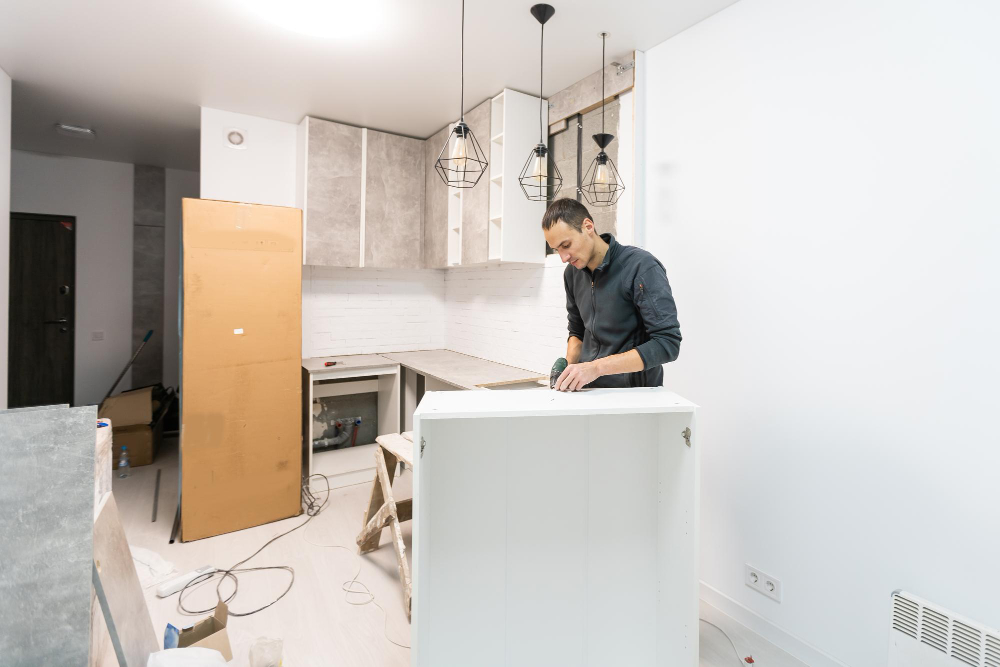
A remodel isn’t the time to go solo.
From material choices to layout changes, there are dozens of decisions with long-term impact, and it’s easy to overlook the details that make a kitchen truly functional.
Homeowners who seek input, from friends who’ve remodeled, from family who will use the space, or from professionals with experience are the ones who end up with kitchens that work beautifully in real life, not just on paper.
9. Overspending Beyond Your Home’s Value

It’s tempting to go all-in on the kitchen of your dreams, but overspending is one of the most common regrets.
Dropping $100,000 on a remodel in a home worth $400,000 won’t translate to a return if you ever sell.
Most experts recommend keeping kitchen costs under 20% of your home’s market value, striking a balance between personal enjoyment and smart investment.
That way, you get a space you love without hurting resale potential.
10. Following Short-Lived Trends
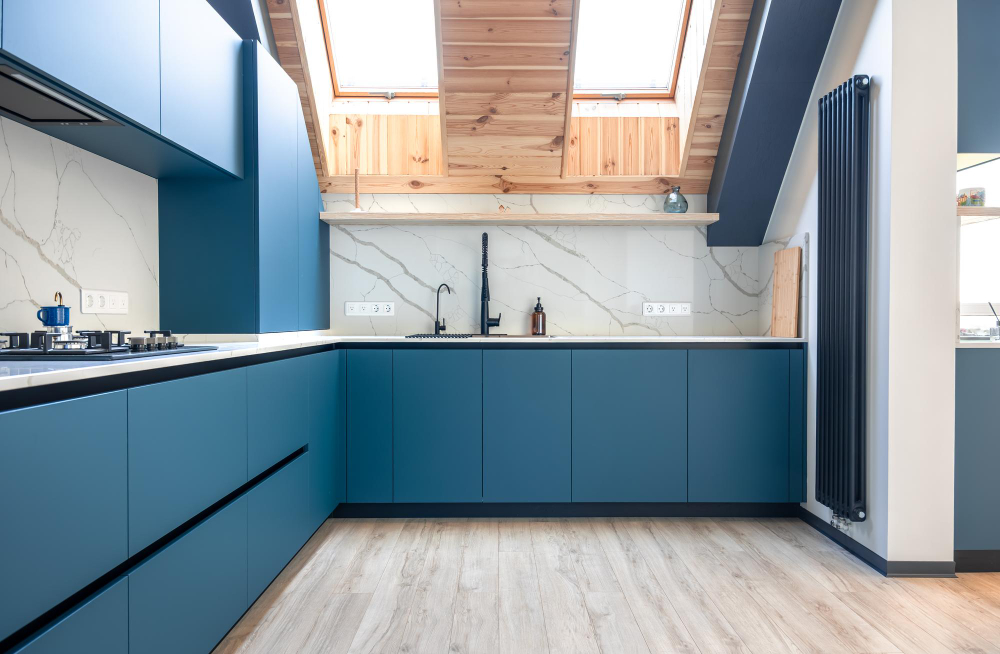
Today’s “must-have” design can become tomorrow’s dated look. Bold colors, statement finishes, or unusual layouts often feel fresh in the moment but can leave you wishing you’d chosen something more timeless just a few years later.
The kitchens that age best balance classic elements with subtle, easy-to-update accents.
Think clean cabinetry, neutral countertops, and long-lasting materials, paired with accessories or décor that you can swap as your style evolves.