Moving soon? These 25 practical moving tips for 2025 cover everything from downsizing and packing smart to remote work relocation hacks. Stay organized and stress-free!
This post is all about the best moving tips.
Moving can be an exciting new chapter in your life, but let’s be real, it can also be incredibly stressful if you don’t have a plan in place.
Whether you’re relocating across town for a fresh start, moving to a smaller home to downsize, or making the leap to a new city for a remote job, having a clear moving checklist and practical strategies will make all the difference.
Without a solid plan, it’s easy to get overwhelmed by packing, coordinating movers, and figuring out what to do first.
That’s why we’ve put together these 25 expert moving tips for 2025 to help you stay organized, save time, and avoid the common headaches that come with moving.
Best of all, you won’t need fancy apps or expensive services, just straightforward advice that works for real people facing real moves.
Let’s dive in and get you moving with confidence and ease!
Moving Tips for 2025:
1. Create a Checklist
One of the best moving tips for 2025 is to start with a detailed moving checklist.
Write down everything from packing to notifying your utility providers and changing your address.
Breaking tasks into manageable steps helps prevent last-minute scrambling and forgotten details.
This way, your moving day won’t feel overwhelming because you already know exactly what needs to be done.
2. Downsize Before You Pack

Moving is the perfect time to declutter and downsize, especially if you’re moving to a smaller place.
Take a good look at your belongings and ask yourself: “Have I used this in the past year?” If not, consider donating, selling, or recycling it.
Downsizing saves you time packing and unpacking, cuts moving costs, and helps you start fresh in your new home without clutter weighing you down.
3. Donate or Sell Items You No Longer Need

Instead of just throwing things away, give unwanted clothes, furniture, or kitchen tools a second life.
You can donate to local charities or sell items online through Facebook Marketplace or apps like OfferUp.
Not only does this reduce waste, but it can also earn you some extra cash to put toward your moving expenses.
Just make sure to schedule pickups or deliveries in advance so these items don’t add last-minute packing pressure.
4. Research and Book Reliable Movers Early

Choosing the right moving company is one of the most important steps to a stress-free move.
Ask friends and family for recommendations, read online reviews, and verify licensing and insurance.
Booking movers early ensures you get the date and service level you want.
Don’t just go with the cheapest option, reliability and good customer service are worth paying a bit more for, as a bad moving experience can cost you time and money in the long run.
5. Get Help From Family and Friends

Packing an entire home can be exhausting if you’re doing it alone.
Enlist family or friends to help with packing, labeling, or even just moral support.
You could make it fun by playing music, ordering pizza, or rewarding everyone with a small get-together afterward.
If you don’t have nearby help, consider hiring local helpers through community boards or apps like TaskRabbit.
Extra hands speed up packing and unpacking, making your move smoother and less stressful.
6. Gather Sturdy Boxes in Various Sizes

Finding the right moving boxes can make all the difference in keeping your belongings safe and organized.
Instead of buying brand-new boxes, check local stores, liquor shops, or supermarkets for free, sturdy boxes in different sizes.
Liquor boxes are especially great for fragile items like glasses because they often come with dividers.
Just make sure all boxes are in good condition and can be securely closed.
7. Pack Room-by-Room and Label Boxes Clearly
One of the smartest moving tips for staying organized is to pack one room at a time and label each box with its contents and destination room.
This saves you from digging through dozens of boxes looking for essentials after you move.
Use simple labels like “Kitchen: Pots and Pans” or “Master Bedroom: Winter Clothes.”
If you’re relocating for remote work, be sure to mark your office boxes as a priority so you can unpack them first and get back to work without delay.
8. Don’t Overload Boxes

Packing heavy boxes might seem like a good way to save on the number of boxes, but it often backfires.
Heavy boxes are harder to carry, increasing the risk of injury or dropped items.
Aim to keep boxes under 50 pounds, so they’re easier to handle during loading and unloading.
Use smaller boxes for dense items like books, and save larger boxes for light but bulky items like pillows or blankets.
9. Wrap Fragile Items with Care

Protect your delicate belongings by wrapping them carefully before packing.
Use packing paper, bubble wrap, or even household towels and blankets if you’re short on supplies.
Avoid using newspaper directly because the ink can stain your items.
If you have fragile keepsakes or electronics, mark those boxes clearly as “Fragile” so movers handle them with extra caution.
10. Pack a First-Night Box With Essentials
Moving day is hectic, and unpacking everything right away isn’t realistic.
Pack a special box with everything you’ll need during your first night in the new home.
Include toiletries, a change of clothes, phone chargers, medications, snacks, and even some basic kitchenware like a coffee mug and utensils.
This box will be your lifeline so you can relax after a long day without digging through endless boxes.
11. Start Packing Early and Pace Yourself
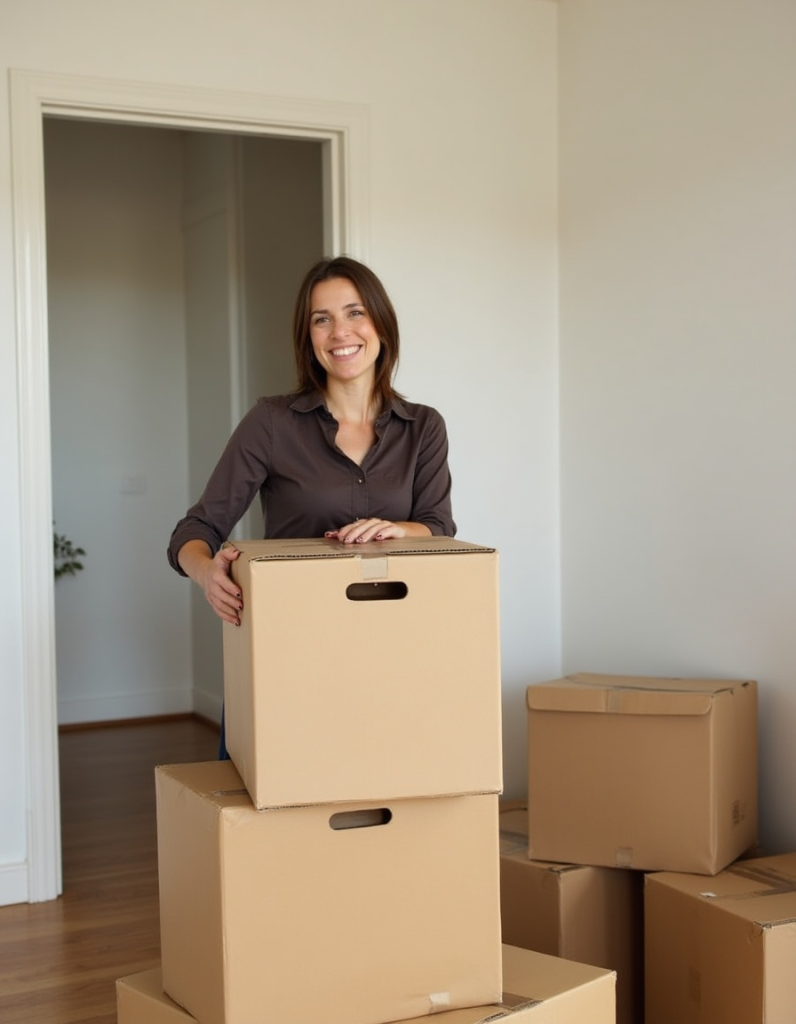
Even if your move is a month away, it’s smart to start packing as early as possible.
Pack a few boxes each day, beginning with things you don’t use often like holiday decorations, books, or out-of-season clothes.
Spreading out the packing helps reduce stress and avoid last-minute chaos.
Plus, starting early means you have time to find better packing supplies or ask for help if needed.
12. Change Your Address and Notify Important Contacts Early

One of the easiest things to forget during a move is updating your address.
Make a list of all the places you need to notify: banks, credit card companies, utility providers, subscriptions, and even friends and family.
Consider using the USPS change of address service and set up mail forwarding to avoid missing important letters or packages.
13. Keep Important Documents and Valuables Close

During the move, keep passports, birth certificates, insurance papers, and other important documents with you instead of packing them in moving boxes.
The same goes for valuables like jewelry and family heirlooms.
Having these essentials close by ensures they don’t get lost or damaged during transit.
14. Make Arrangements for Pets on Moving Day

Pets can get stressed out by the noise and chaos of moving.
Prepare a safe and quiet room where they can stay while movers are working, or see if a trusted friend or family member can watch them for the day.
Bring familiar toys, bedding, and their regular food to help ease their anxiety in the new environment.
15. Set Up One Room First
After a long day of moving, having one room fully set up can feel like a small victory.
Usually, the bedroom is the best place to start since getting a good night’s sleep is essential.
Unpack the bed, put on fresh sheets, and keep that space clutter-free so you can rest and recharge for the unpacking ahead.
16. Keep a Basic Toolbox Handy for Assembly and Fixes
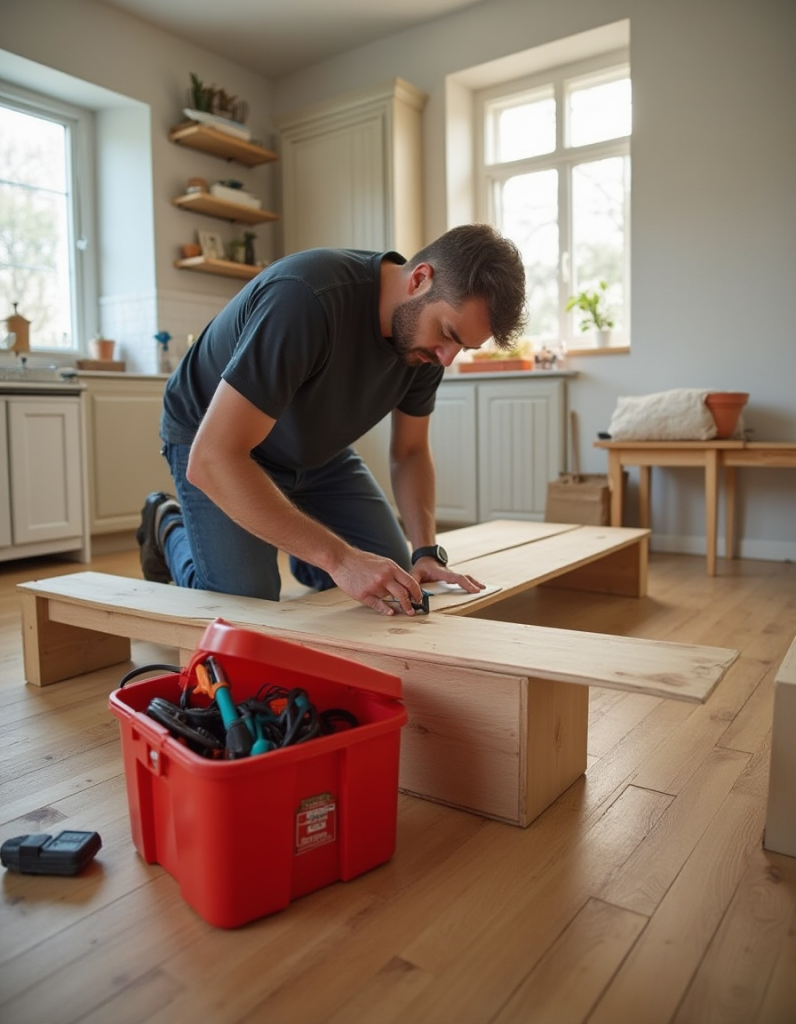
You’ll probably need to assemble furniture or hang pictures once you’re in.
Keep a simple toolbox with a hammer, screwdrivers, nails, hooks, and scissors handy to tackle those small jobs right away.
Having these tools within reach saves you from searching through boxes when you really need them.
17. Arrange for Childcare or Plan Activities for Kids

Moving can be overwhelming for kids and distracting for parents trying to get things done.
If possible, arrange for someone to watch your children during the busiest parts of the move or plan activities to keep them entertained and out of the way.
This makes the process smoother and less stressful for everyone.
18. Take Photos of Electronics and Furniture Setup

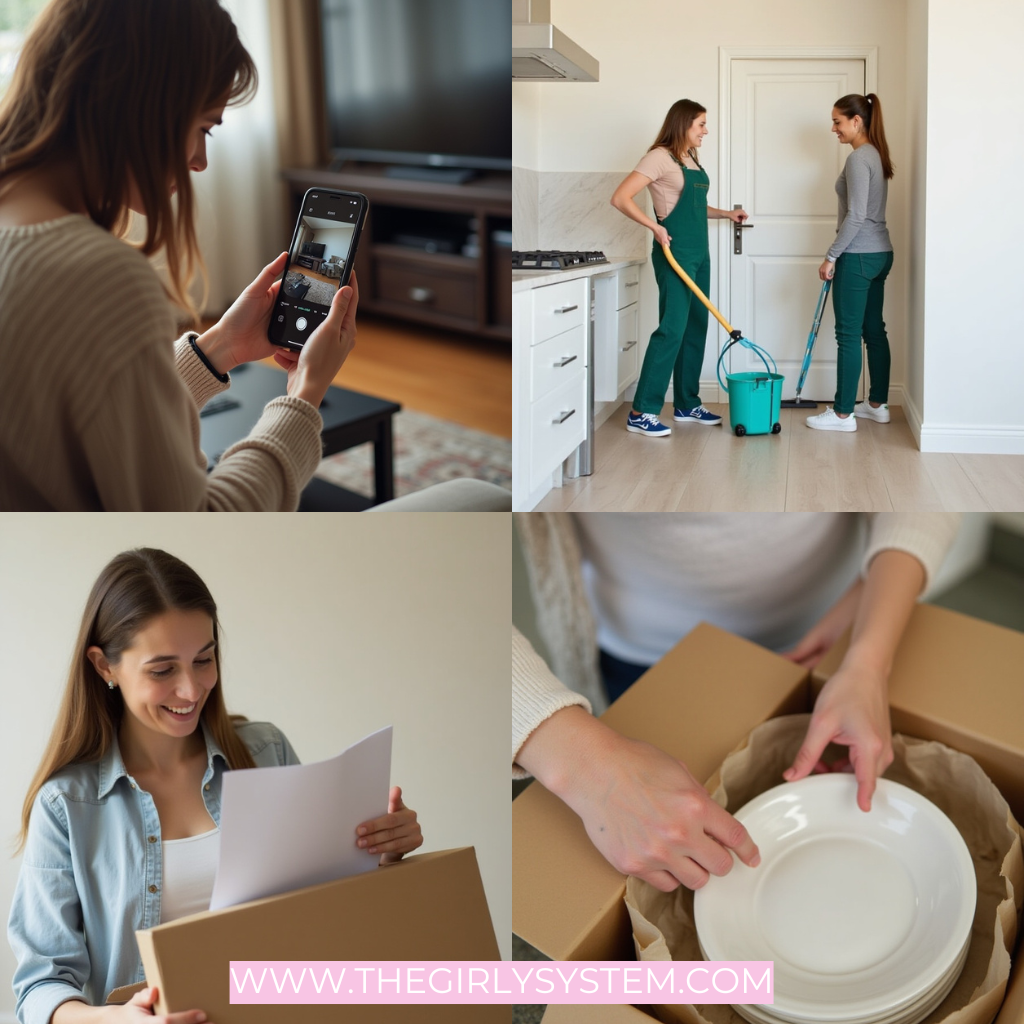
Before you disconnect electronics or take apart furniture, snap photos of how cables are connected or how pieces fit together.
This makes reassembling easier and helps avoid confusion. It’s a simple step that saves time and frustration later.
19. Clean Your Old Home and New Place
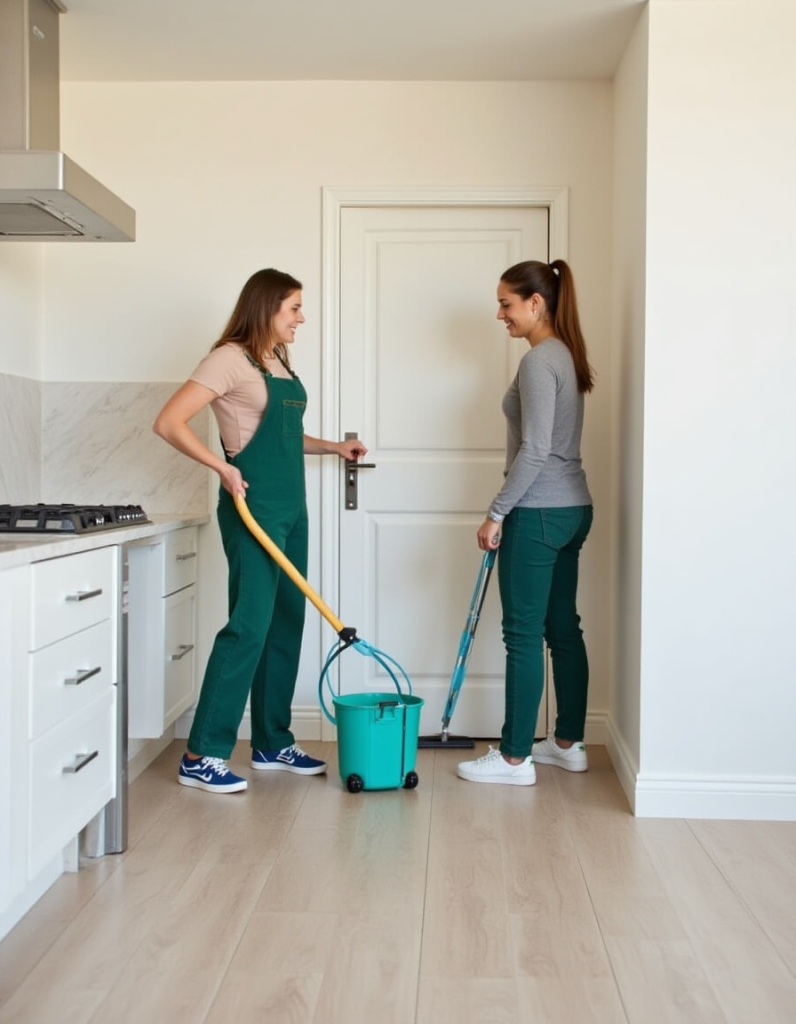
Try to clean your old home before handing over the keys, this can help you get your deposit back if you were renting.
At the new place, a quick clean before unpacking helps you settle in fresh.
Focus on high-traffic areas like the kitchen, bathroom, and floors.
20. Pack the Kitchen Strategically
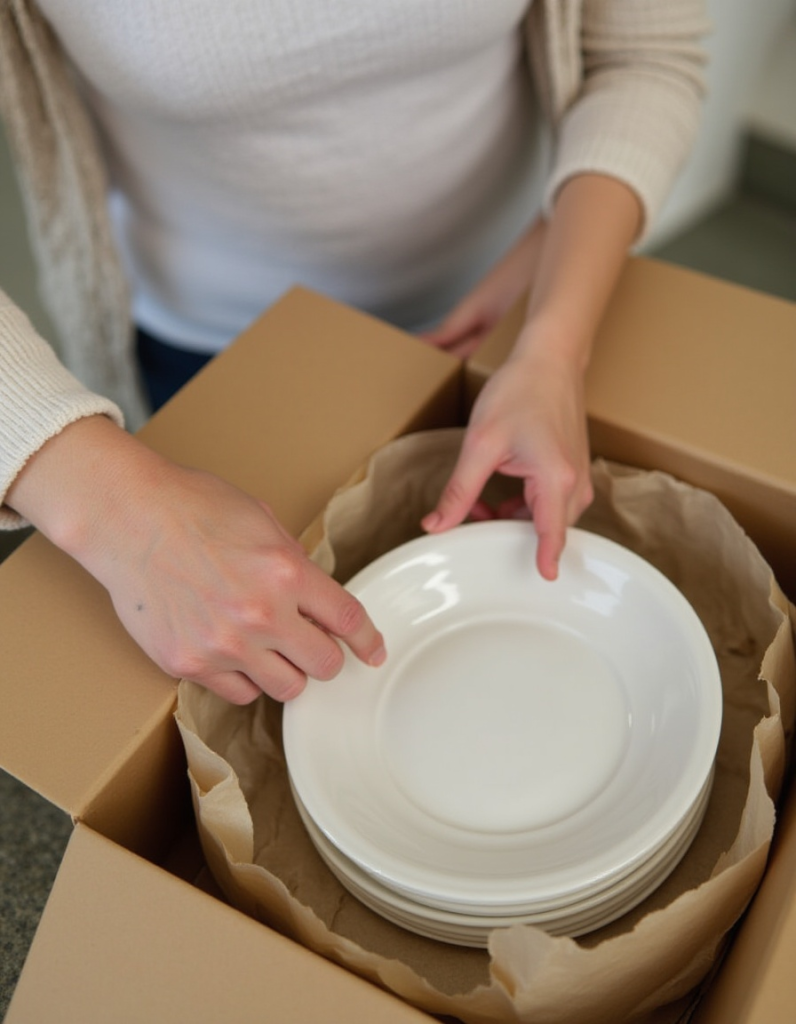
The kitchen usually has the most fragile and heavy items.
Use small boxes for heavy canned goods and large boxes for lighter pots and pans.
Wrap breakables carefully and label those boxes “Fragile” to avoid damage.
21. Plan Your Remote Work Setup Early

If you’re moving for a remote job or need to work from home during the transition, prioritize unpacking your home office.
Set up your desk, computer, and internet connection first so you can maintain productivity and avoid downtime.
22. Remember to Take Breaks and Stay Hydrated

Moving is physically demanding, so don’t forget to drink plenty of water and take breaks.
Eating well and resting will keep your energy up and your mind clear during this busy time.
23. Label Boxes by Priority to Unpack Efficiently
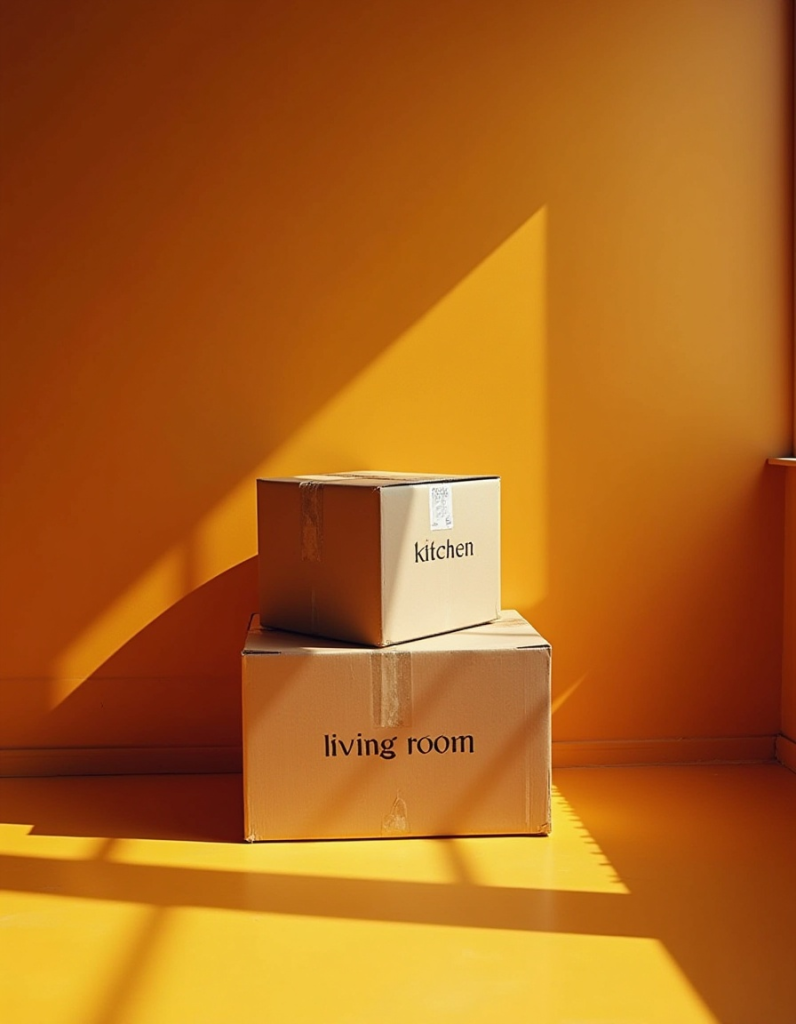
Mark boxes as “Open First,” “Kitchen Essentials,” or “Kids’ Stuff” so you know what to unpack right away.
This helps reduce stress and ensures you have the essentials while you gradually unpack the rest.
24. Expect the Unexpected and Stay Flexible

No move is perfect, weather delays, missing boxes, or last-minute changes happen.
Keep a flexible attitude and try to solve problems calmly.
This mindset will help you get through challenges without added stress.
25. Celebrate Your New Home

Finally, once you’re settled, take a moment to enjoy your new space.
Order your favorite takeout, invite a few friends over, or just relax with some music or a movie.
You deserve to celebrate the fresh start you’ve worked hard for!
This post showed you the best moving tips for 2025.