15 Smart Ways to Make Traveling With Toddlers Easier
Traveling with toddlers takes a little extra planning. These 15 practical tips cover packing, flights, road trips, sleep, snacks, and keeping little travelers happy.
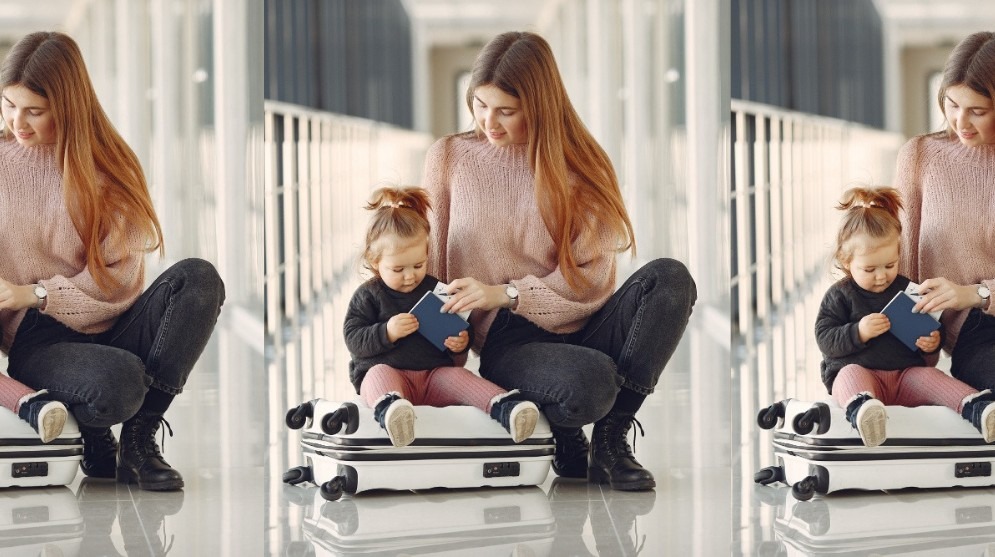
A family holiday can look very different once a toddler joins the travel plans. The early airport arrival, the carefully chosen hotel, the sightseeing itinerary you’ve been looking forward to for months, suddenly, all of it has to accommodate someone who might refuse to wear their shoes, fall asleep just before lunch, or decide that the airport floor is the most interesting place they’ve ever seen.
That doesn’t mean you should wait until your children are older to travel. It simply means thinking through the details that are easy to overlook when planning a trip for adults. A well-timed flight, a few familiar snacks, the right accommodation, and some breathing room in your itinerary can make a considerable difference.
The goal isn’t to keep every moment perfectly organized. It’s to make getting from one place to another easier, so you can actually enjoy the holiday you planned.
Traveling With Toddlers: Tips That Make Family Trips Easier
1. Choose a Destination That Doesn’t Require Constant Moving Around
Your first family holiday doesn’t need to involve three cities, four hotels, and a packed sightseeing schedule. Look for a destination where you can settle in for a few days, with restaurants, grocery stores, parks, and family-friendly activities close to your accommodation. A beach town, for example, gives you somewhere to spend the afternoon even if your original plans fall through.
2. Book Flights Around Your Toddler’s Sleep Schedule
A cheap flight isn’t always a bargain if it means starting the journey at three in the morning with an exhausted toddler. Consider your child’s usual sleeping habits before choosing a departure time, and think about whether a daytime flight or an overnight journey is more manageable. If you have a long-haul flight with a connection, leave enough time between flights to handle diaper changes, snacks, and the occasional slow walk through the terminal.
3. Give Yourself More Time at the Airport
Getting through an airport with a toddler involves considerably more than checking in and finding your gate. You’ll need time for security, bathroom visits, stroller arrangements, snacks, and possibly a last-minute change of clothes. Arriving early gives you room to handle these little interruptions without rushing, and boarding with everything already organized makes the first part of the journey much easier.
4. Pack Your Carry-On as Though Your Luggage Might Go Missing
Your checked suitcase can contain most of your child’s clothes and belongings, but the essentials should stay with you. Pack enough diapers, wipes, snacks, medication prescribed for your child, and spare outfits to cover unexpected delays or a lost bag. I’d also include a lightweight change of clothes for yourself. A spilled drink or an unfortunate diaper incident doesn’t have to leave both of you wearing the evidence for the rest of the journey.
5. Bring a Stroller Even If Your Toddler Loves Walking
A toddler who happily walks around the neighborhood might have a completely different opinion after an afternoon exploring a new city. Long airport corridors, sightseeing routes, and unfamiliar streets can quickly become tiring for little legs. A lightweight, foldable travel stroller gives you somewhere to put your child when they need a rest, and it can be particularly useful when you’re carrying shopping bags or navigating public transport.
6. Turn the Car Journey Into a Planned Part of the Trip
If you’re taking a road trip, don’t plan your arrival time based solely on what your navigation app says. Account for stops, traffic, meals, and the time it takes to get everyone back into the car. Keep a small activity bag within reach, with board books, reusable stickers, and a few favorite toys. For longer journeys, choose stopping points in advance so your toddler has somewhere safe to stretch their legs rather than spending the entire drive asking when you’ll arrive.
7. Choose Accommodation With a Kitchen or Kitchenette
A hotel room might be perfectly adequate for a couple, but traveling with a toddler introduces a few additional requirements. Having access to a refrigerator, microwave, or basic kitchen equipment makes preparing breakfast, storing milk, and dealing with unfamiliar meal times much easier. If your budget allows, look for accommodation with a separate bedroom or sleeping area. You won’t have to sit in the dark whispering while your toddler sleeps just a few feet away.
8. Pack Toys That Work in More Than One Setting
You don’t need to bring an entire toy collection to keep a toddler occupied on holiday. Choose a few compact activities that can be used during a flight, at a restaurant, or back in the hotel room. Reusable sticker books, magnetic drawing boards, small puzzles, and chunky crayons are useful choices because they don’t take up much space. Save one or two new activities for the journey itself; having something your child hasn’t seen before can be a welcome distraction during a particularly long wait.
9. Bring Familiar Foods Alongside New Ones
Trying local food is part of the fun of traveling, but your toddler may not share your enthusiasm for an unfamiliar restaurant menu. Pack a few reliable snacks and foods you know they’ll eat, especially for travel days when meal times can become unpredictable. Crackers, fruit, cereal bars suitable for their age, and small sandwiches are easy options. You can introduce new dishes at mealtimes while knowing there’s something familiar available if dinner doesn’t go according to plan.
10. Protect Nap Time When Planning Your Days
Skipping a nap might seem like a reasonable way to fit another attraction into your itinerary, but you’ll probably pay for it later. If your toddler normally sleeps after lunch, avoid booking your longest excursion during that window. Depending on your destination, you might return to your accommodation for a rest or use the stroller for a quieter afternoon. You don’t have to recreate your home schedule perfectly, but planning around your child’s sleep needs can save you from an unnecessarily difficult evening.
11. Recreate a Familiar Bedtime Routine
An unfamiliar room, different noises, and a new sleeping arrangement can make bedtime more complicated. Pack the small things that usually signal the end of your toddler’s day, such as their favorite pajamas, a bedtime story, a comfort toy, or a familiar night-light. If you’re staying somewhere with bright curtains, a portable blackout blind can also be useful. Keeping the order of your usual bedtime activities helps give the evening some consistency, even when you’re sleeping somewhere completely different.
12. Choose Clothes That Can Handle a Full Day of Travel
A long travel day isn’t the time to experiment with complicated outfits or uncomfortable shoes. Dress your toddler in breathable, easy-to-change layers that work for sitting in a car, walking through an airport, and adjusting to changing temperatures. Pack at least one complete spare outfit in your carry-on, including underwear or diapers and socks. If you’re traveling somewhere with unpredictable weather, keep a lightweight jacket accessible rather than burying it at the bottom of your suitcase.
13. Plan One Main Activity Per Day
It’s tempting to make the most of every day when you’re visiting somewhere new, particularly if you’ve spent months planning the trip. But toddlers need time to eat, rest, explore, and simply do their own thing. Choose one main attraction or outing, then leave the rest of the day open. You might discover that spending an extra hour at the aquarium or stopping for lunch at a park is much more enjoyable than rushing across town to fit in another scheduled activity.
14. Let Your Toddler Have a Say in the Little Things
A holiday can be a wonderful opportunity for your toddler to explore beyond their usual surroundings, but they don’t need an elaborate children’s itinerary to enjoy it. Let them choose between two playgrounds, pick a snack at the local market, or decide which book to read back at the hotel. These small choices give them a sense of participation and can make unfamiliar activities easier to introduce. Leave some room for curiosity, too. A passing train or a street musician might hold their attention longer than the attraction you spent money on.
15. Have a Backup Plan for Days That Don’t Go to Plan
Even with careful preparation, some days simply won’t work out. Your toddler might wake up tired, refuse to eat lunch, or become overwhelmed halfway through an outing. Rather than trying to push through the original itinerary, have a few easy alternatives in mind, such as a nearby playground, a quiet café, or an afternoon back at the accommodation. Knowing when to change plans is a useful part of traveling with young children, and it can turn a frustrating afternoon into a much better one.