Smart, realistic ways to mways to make your apartment look expensive on a budget without renovations or designer furniture, just better choices and styling logic.
Making your apartment look expensive can feel harder than it needs to be, especially when you’re renting or working with a limited budget.
A lot of the advice online focuses on dramatic upgrades or picture-perfect spaces that don’t translate well to real life.
The truth is, an expensive-looking apartment isn’t about square footage, marble countertops, or buying everything new.
It’s about restraint, consistency, and a few decisions most people skip because they seem boring or unnecessary.
This post isn’t about turning your space into something unrecognizable or telling you to replace everything you own.
It’s about making your apartment look expensive in a realistic way, where it still feels like you live there, but it looks intentional.
You’ll learn where to spend, where to edit, and what details quietly elevate a space without screaming for attention.
Ways To Make Your Apartment Look Expensive
1. Stick to a Tight Color Palette
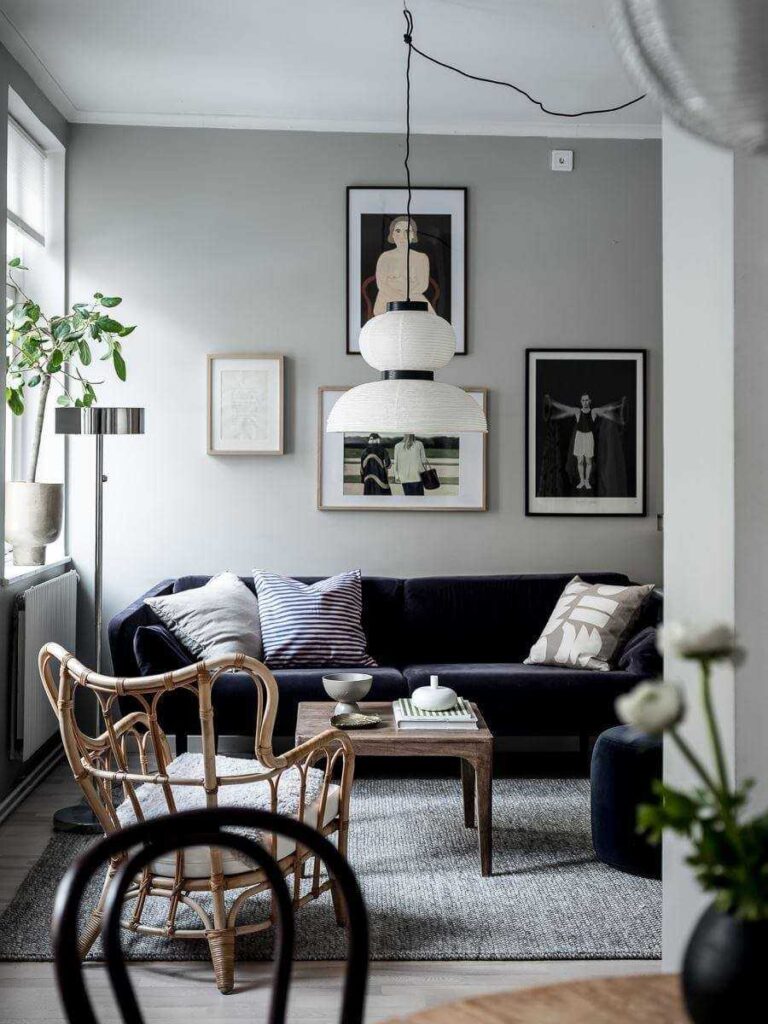
One of the fastest ways to make your apartment look expensive is to limit your color choices.
High-end spaces repeat the same tones across walls, furniture, and decor, which creates visual calm.
That doesn’t mean everything has to match, but it should feel related.
Pick two neutrals and one accent color, then commit to them.
When everything plays in the same range, even affordable pieces look intentional instead of random.
This works especially well in small apartments where too many colors can make the space feel cluttered fast.
2. Upgrade Your Lighting Before Anything Else
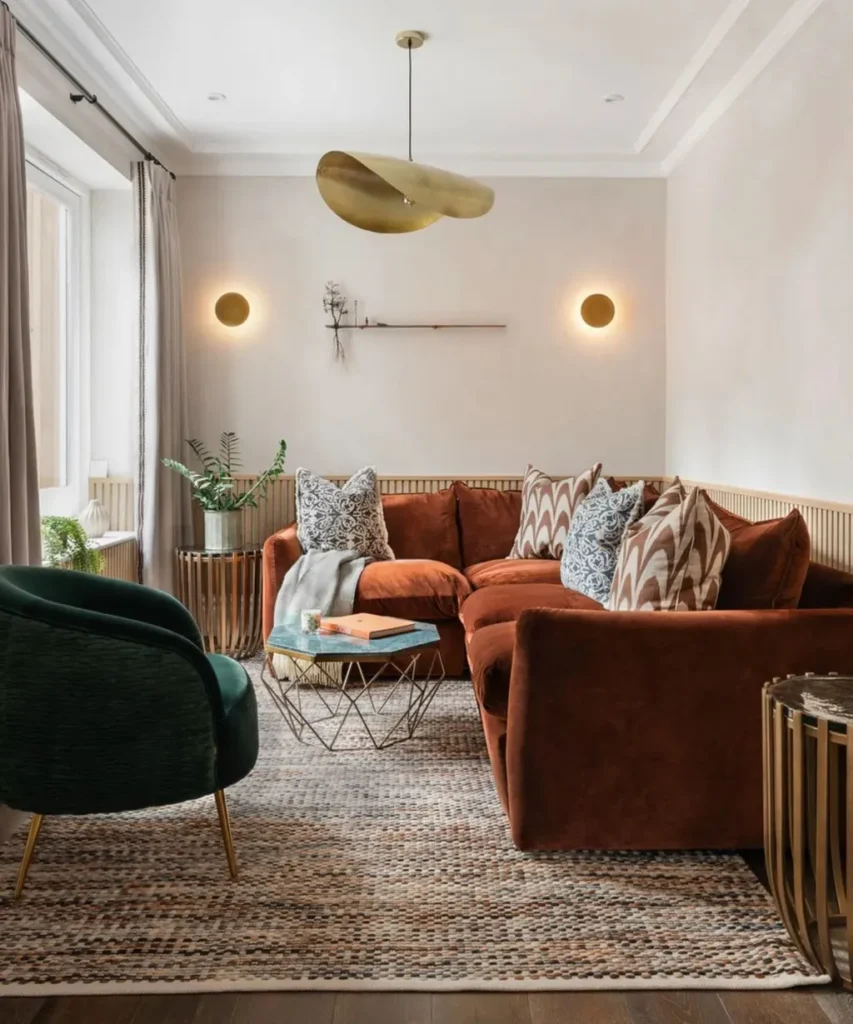
Lighting affects how everything else is perceived, which is why it’s often overlooked and then regretted.
Overhead lighting alone tends to flatten a room and highlight what you don’t want noticed.
Expensive apartments rely on layered lighting instead.
Add at least two light sources per room, table lamps, floor lamps, or wall sconces if allowed.
If you do nothing else, this change alone can dramatically shift how your apartment feels at night.
3. Choose Curtains That Go Higher and Wider Than the Window
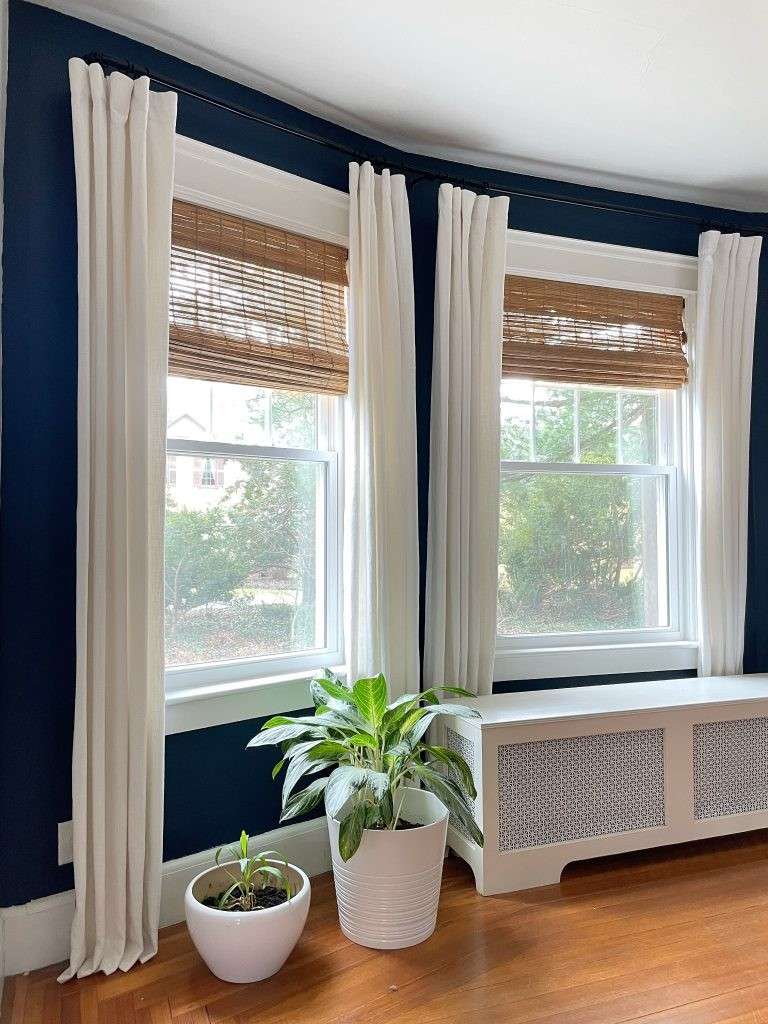
Short or narrow curtains instantly read as budget, even if the fabric itself is nice.
Hanging your curtains closer to the ceiling and extending the rod past the window frame creates the illusion of taller ceilings and larger windows.
Neutral, heavier fabrics tend to photograph better and feel more polished.
This trick works best in living rooms and bedrooms, especially in rentals where you can’t change the windows themselves but still want them to feel architectural.
4. Replace Small Hardware Where You’re Allowed
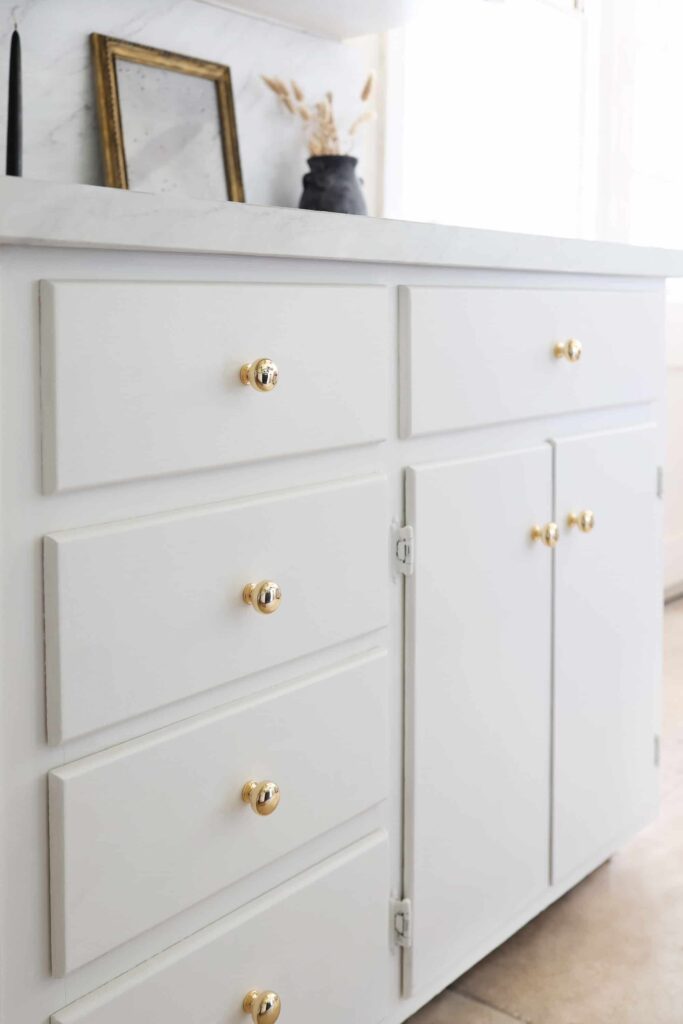
Tiny details matter more than people think.
Swapping out drawer pulls, cabinet knobs, or even a shower curtain rod can subtly elevate the entire space.
Cheap hardware dates a room faster than worn furniture.
If your lease allows it, choose finishes that feel consistent, brushed brass, matte black, or polished chrome, and stick with one.
Keep the original pieces stored so you can switch them back later.
5. Let Fewer Decor Pieces Do More Work
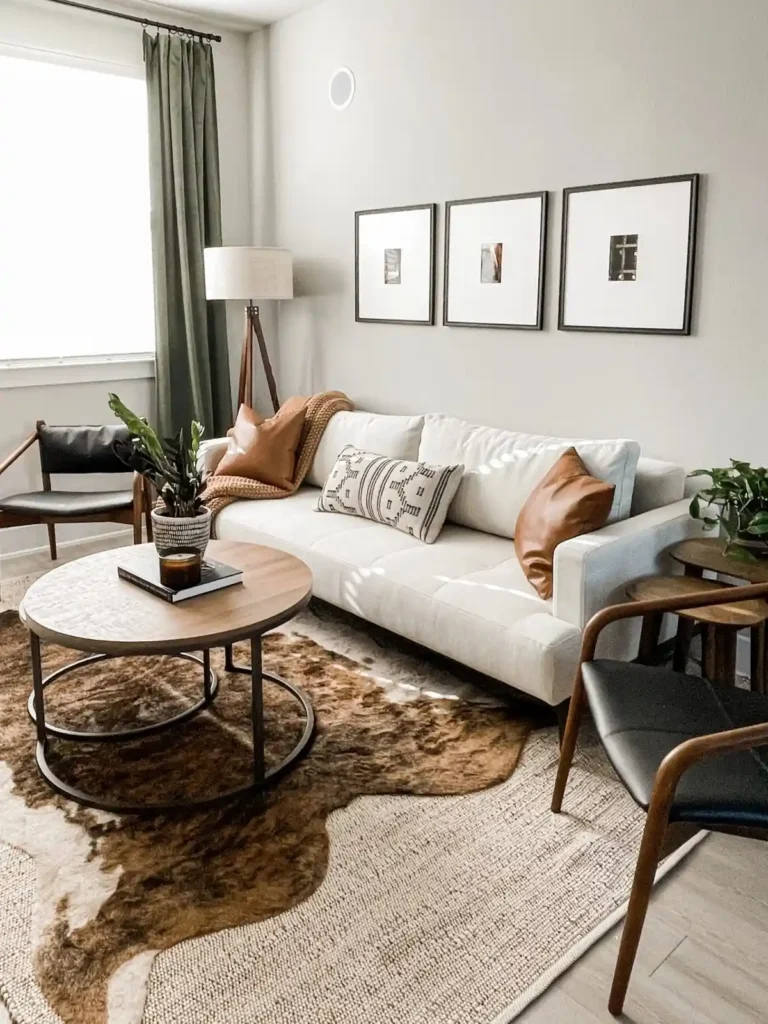
Expensive apartments aren’t filled to the brim with decor.
They’re edited.
Instead of many small objects scattered everywhere, focus on a few larger, meaningful pieces that anchor the space.
This approach works best if you tend to over-decorate, pulling things away often improves the room instantly.
6. Invest in One Statement Piece Per Room
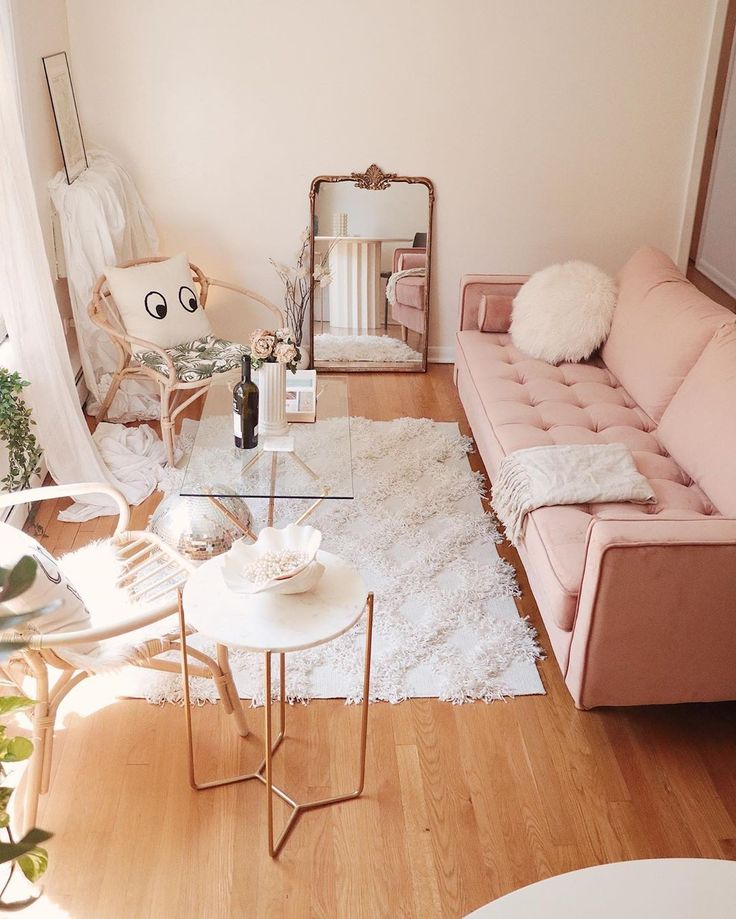
You don’t need designer furniture across the board, but one standout piece can carry the room.
This might be a sofa with good proportions, a well-made dining table, or a solid bed frame.
When everything else is simple, that one investment looks purposeful rather than flashy.
The key is choosing something classic enough to move with you later, so it doesn’t feel like money spent for just one apartment.
7. Style Surfaces Like You Actually Live There
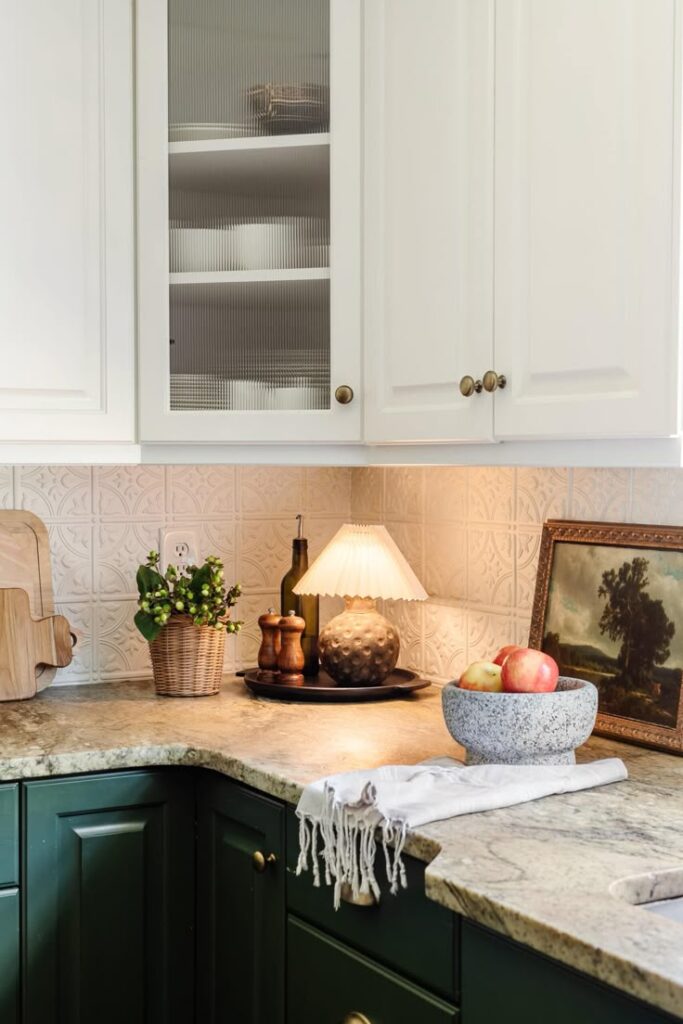
Kitchen counters, nightstands, and entry tables shouldn’t be empty, but they shouldn’t be overloaded either.
The goal is functional styling that reflects real life.
Group items in odd numbers, mix heights, and leave breathing room.
A tray with a candle and a book looks better than five unrelated objects.
This is especially effective in rentals where built-in character is lacking.
8. Choose Rugs That Anchor the Furniture
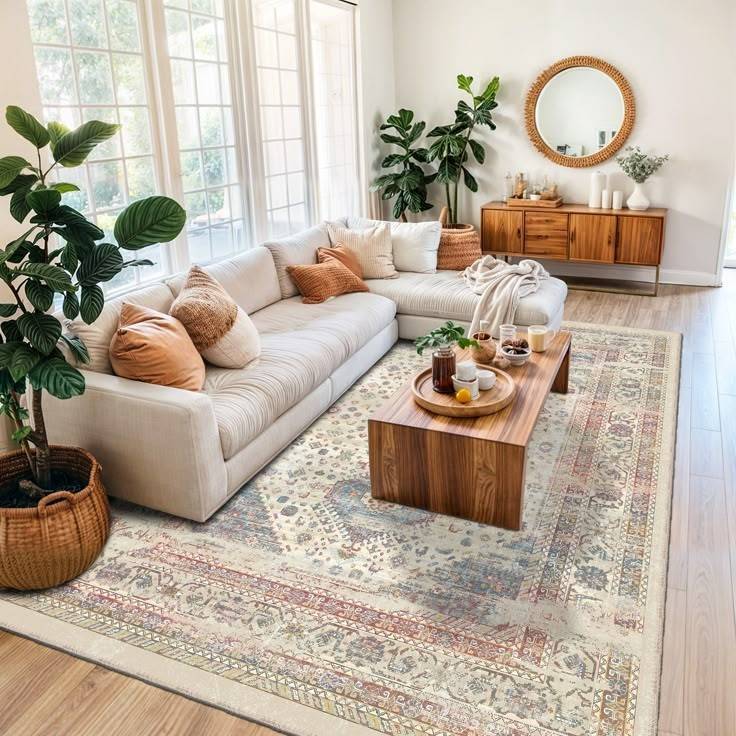
A rug that’s too small can make even expensive furniture look awkward.
The front legs of your seating should sit on the rug, not hover around it.
Neutral rugs with subtle texture tend to age better than loud patterns.
In open-plan apartments, rugs also help define zones, which makes the layout feel more intentional and less temporary.
9. Reduce Visual Noise Out of Sight
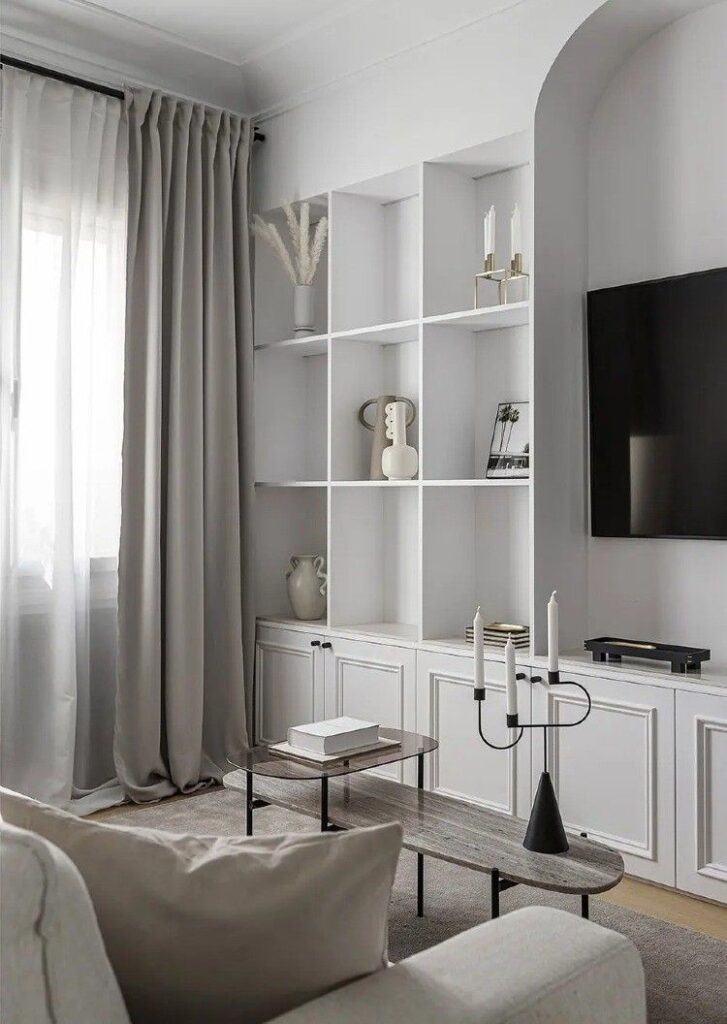
Nothing breaks the illusion of an expensive apartment faster than visible cords and daily clutter.
Cable management isn’t glamorous, but it’s incredibly effective.
Use cord covers, baskets, or furniture placement to hide what doesn’t need to be seen.
Expensive spaces feel calm because they’re visually quiet, not because they’re empty.
10. Bring in Texture Instead of More Color
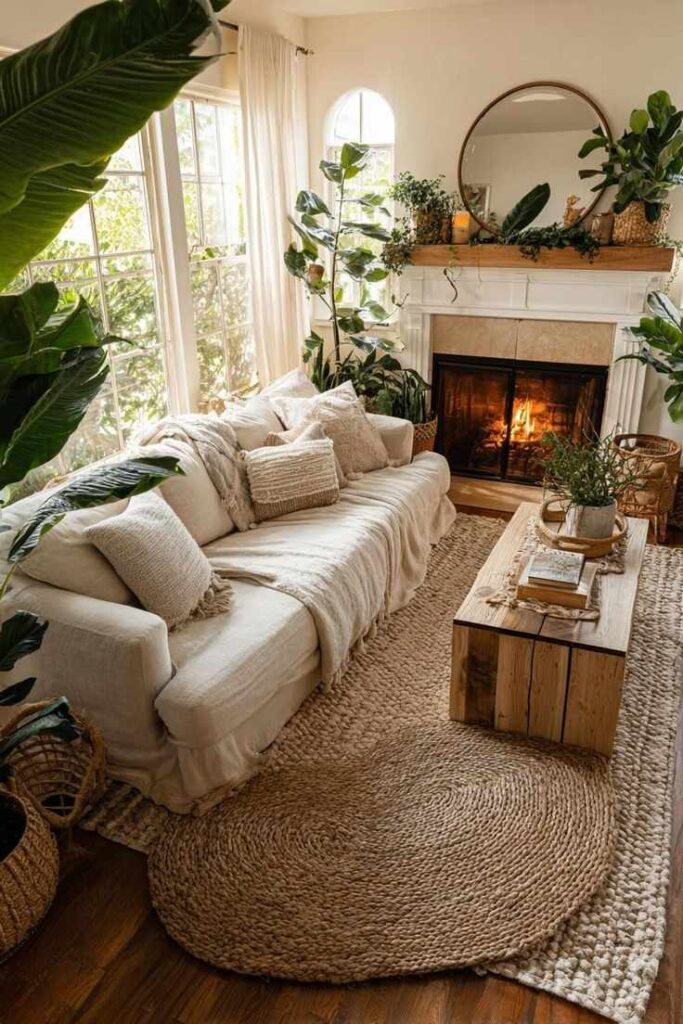
If your apartment feels flat, the answer usually isn’t more color, it’s more texture.
Think linen, wood, ceramic, stone, or woven materials.
Texture adds depth without overwhelming the palette you’ve already chosen.
This works particularly well in neutral spaces that risk feeling bland instead of polished.
11. Edit Ruthlessly Before Buying Anything New
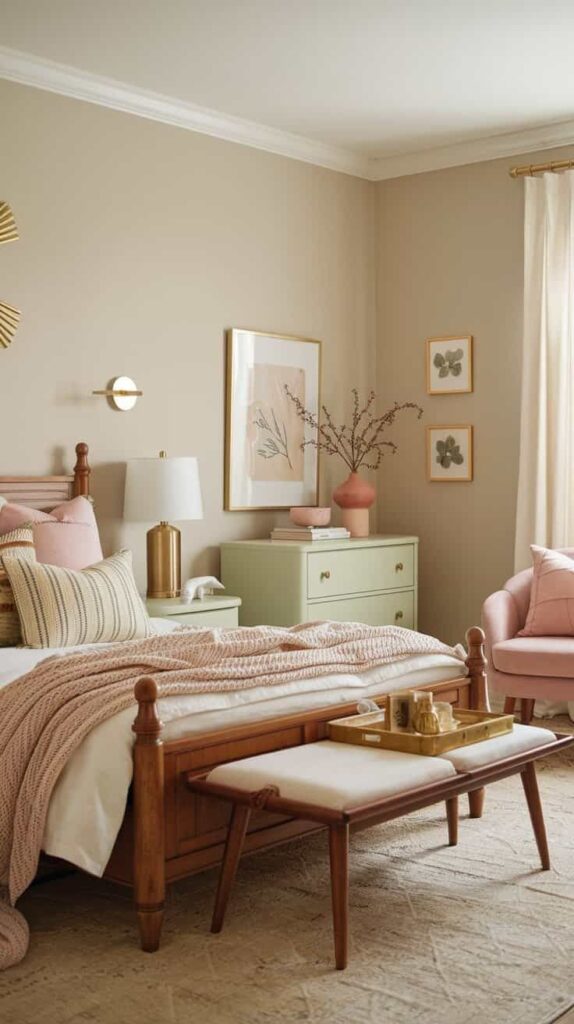
One of the most underrated ways to make your apartment look expensive is simply owning less.
Before buying something new, remove something that already exists.
This habit forces better decisions and keeps the space from feeling crowded.
High-end apartments don’t feel expensive because they’re full, they feel expensive because everything has a reason to be there.
12. Make Your Entryway Feel Intentional
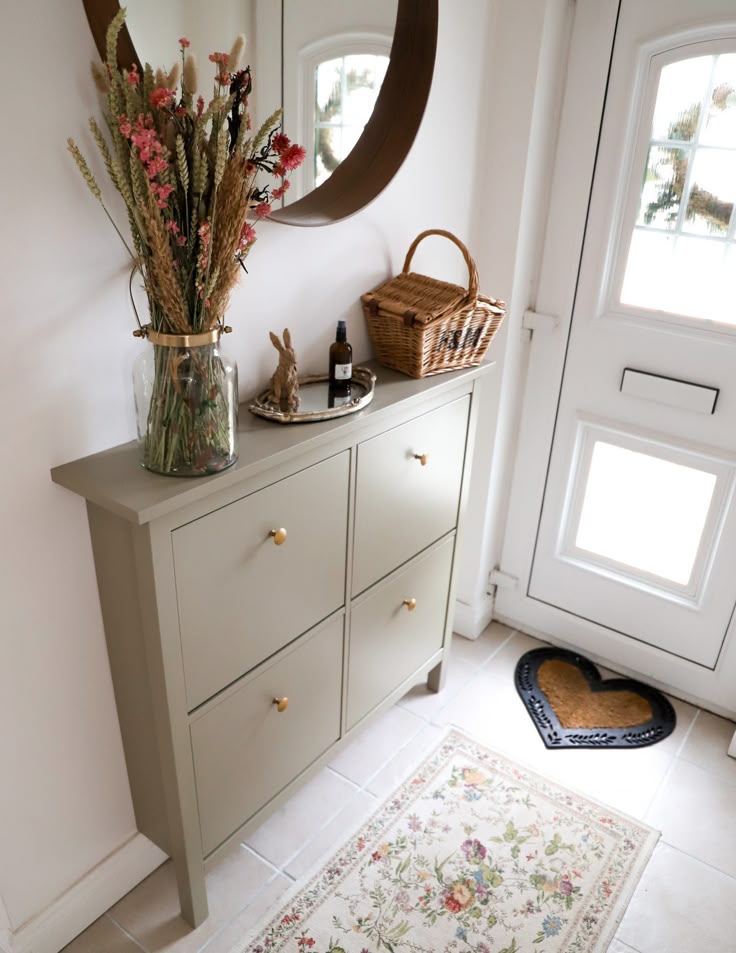
The first thing you see when you walk in sets the tone for the entire apartment.
An expensive-looking apartment doesn’t open straight into chaos.
Even a narrow wall or corner can feel deliberate with a slim console, wall hooks that match your hardware, or a mirror that reflects light back into the space.
This works best when you limit the items here to daily essentials only.
Shoes piled by the door or random bags hanging everywhere immediately undo the effect.
The goal is not decoration, it’s control.
13. Use Mirrors to Expand Light, Not Just Fill Walls
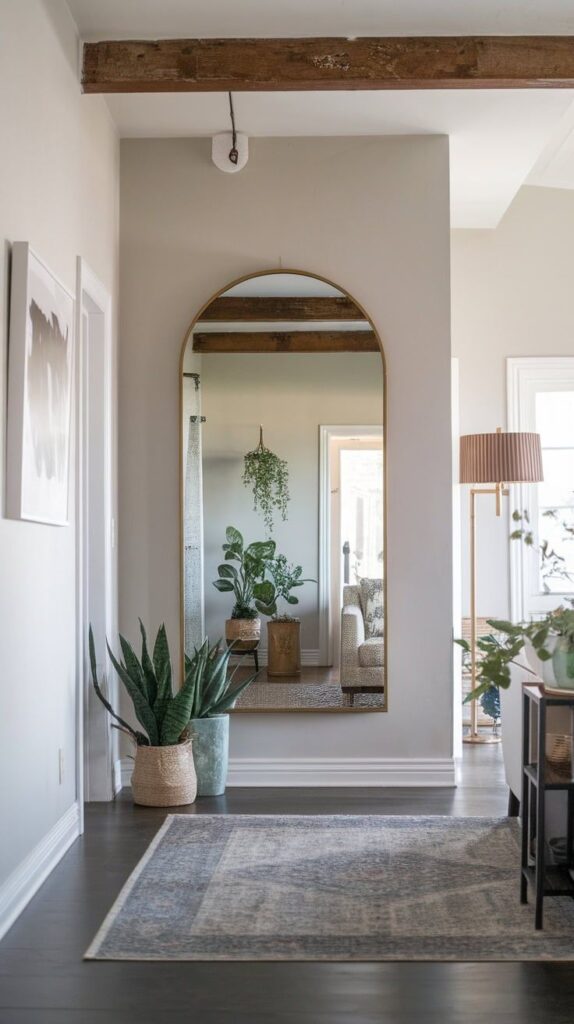
Mirrors are often used randomly, but in higher-end apartments, they’re placed strategically.
A mirror opposite a window or near a light source doubles brightness and makes the room feel larger without trying.
Avoid mirrors that are too small for the wall they’re on.
If it feels like an afterthought, it will look like one.
14. Keep Flooring Transitions Clean and Minimal
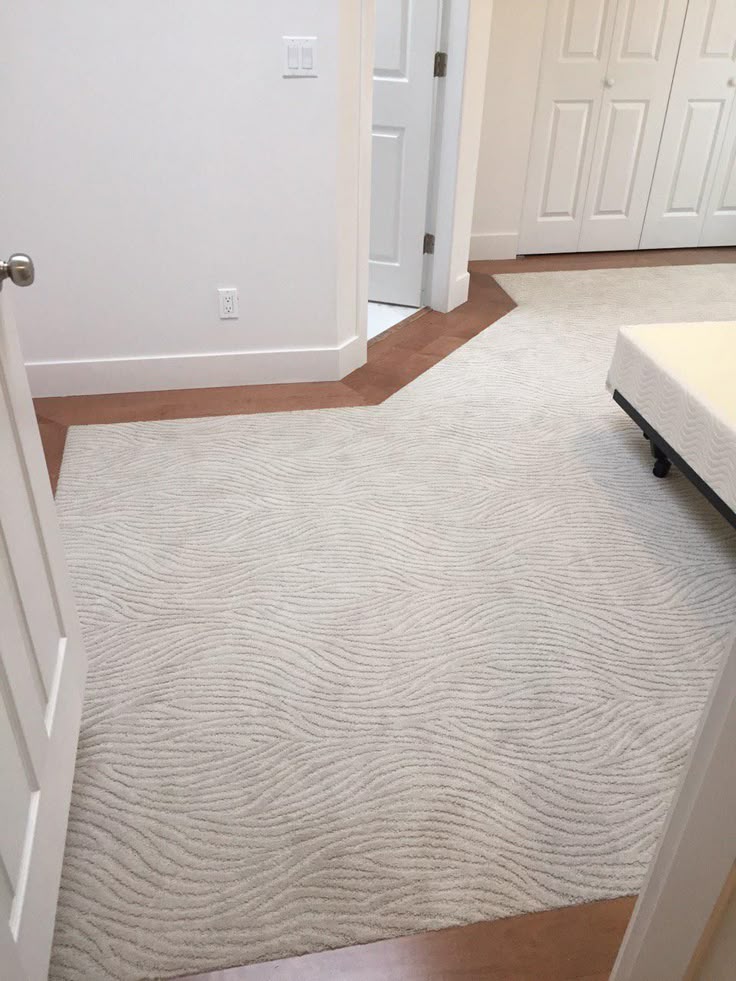
If your apartment has multiple flooring types, the transition between them matters more than people realize.
Rugs that stop awkwardly in doorways or furniture that cuts off visual flow can make the space feel chopped up.
Let rugs extend fully under furniture groupings and avoid layering too many patterns in adjacent rooms.
Expensive apartments feel cohesive because the eye moves smoothly from one area to the next.
15. Replace Plastic With Glass, Wood, or Ceramic
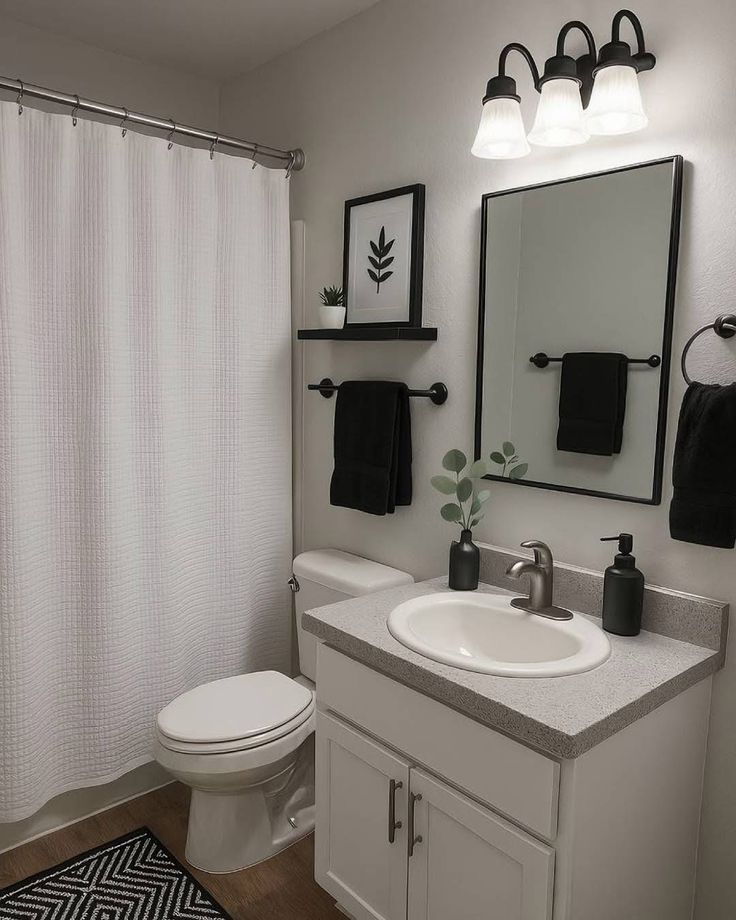
You don’t need to overhaul everything, but swapping small plastic items for more solid materials adds weight to a space.
Think soap dispensers, storage containers, trays, or bathroom accessories.
These changes are subtle, but they register emotionally.
Heavier materials signal permanence, which is a big reason a space feels more expensive, even if the items themselves were affordable.
16. Make Your Bed Look Structured
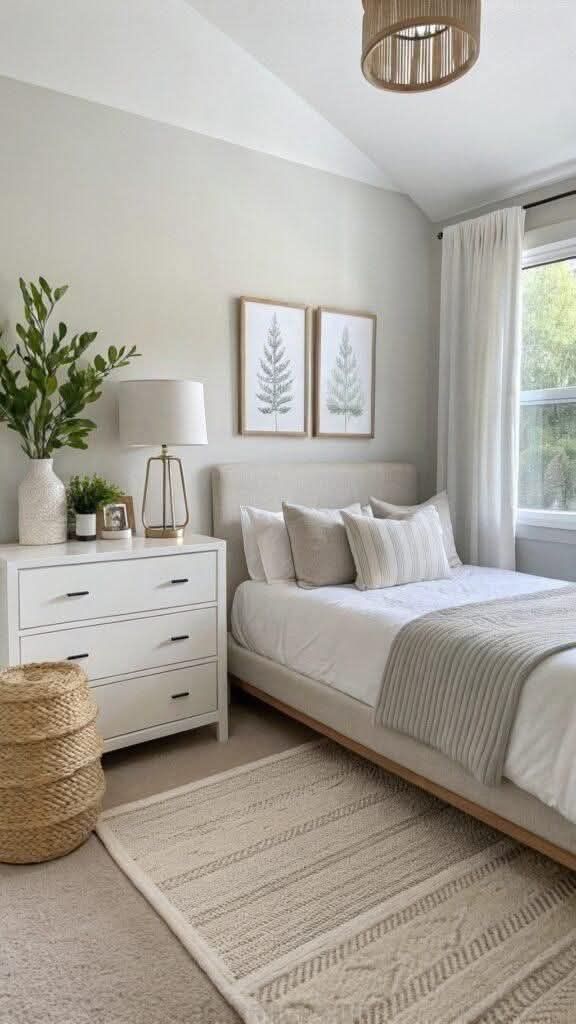
In expensive apartments, beds look intentional rather than overly decorative.
Too many pillows or mismatched bedding can make the room feel busy instead of elevated.
Stick to crisp sheets, one or two sleeping pillows, and a structured throw or coverlet.
This works especially well in smaller bedrooms where simplicity reads cleaner and more mature.
17. Align Furniture With the Architecture
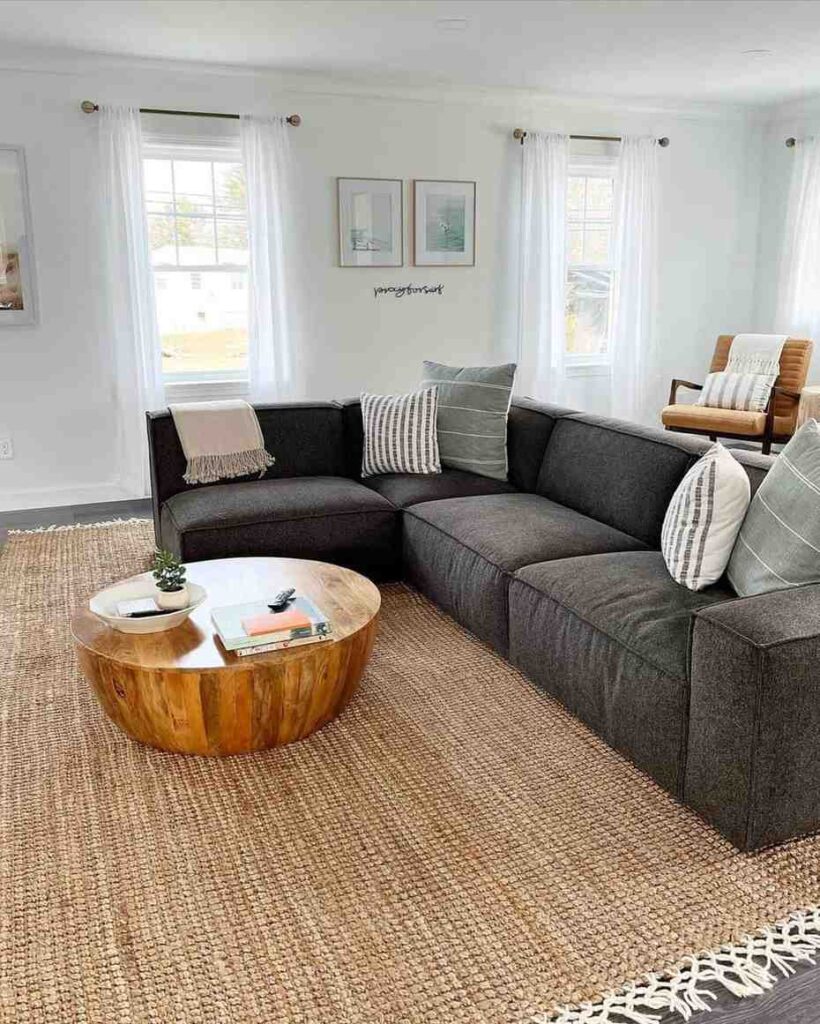
Furniture pushed against walls by default often feels temporary.
In polished apartments, furniture aligns with the room’s layout, windows, walkways, and focal points, not just empty space.
Pulling the sofa slightly away from the wall or centering furniture around a rug can instantly make the room feel more designed.
This is one of those changes that feels wrong for five minutes and then obviously right forever.
18. Keep Open Shelving Sparse
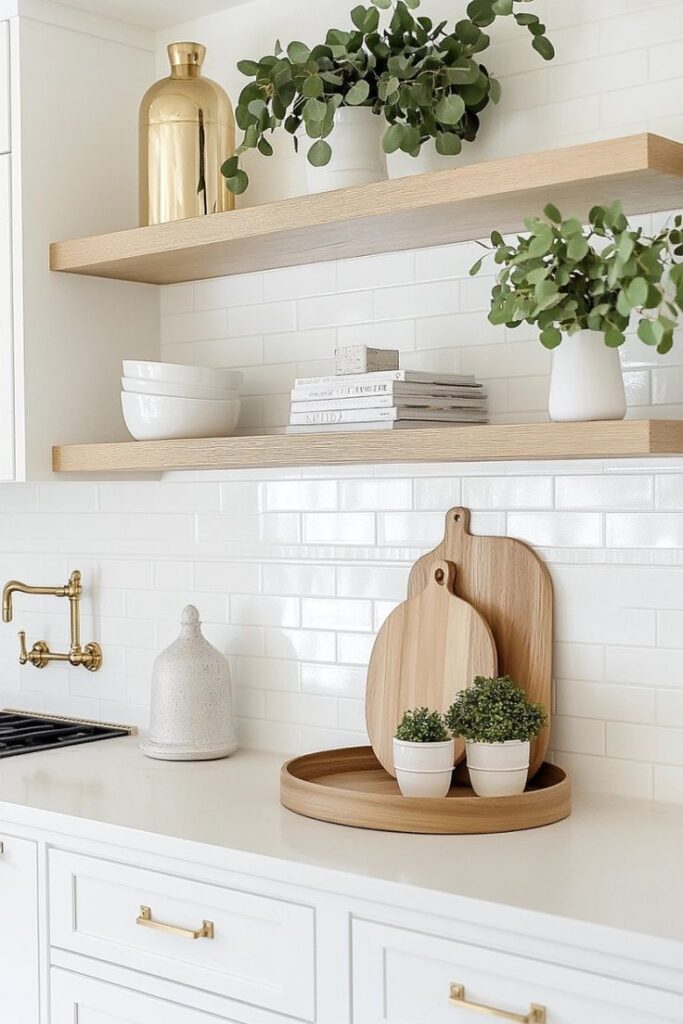
Open shelves can either look curated or chaotic, and there’s rarely a middle ground.
Expensive apartments treat open shelving like visual breathing space, not storage overflow.
Limit shelves to a few objects with variation in height and material.
Leave negative space intentionally. When shelves feel calm, the entire room feels calmer by extension.
19. Use One Consistent Metal Finish Per Room
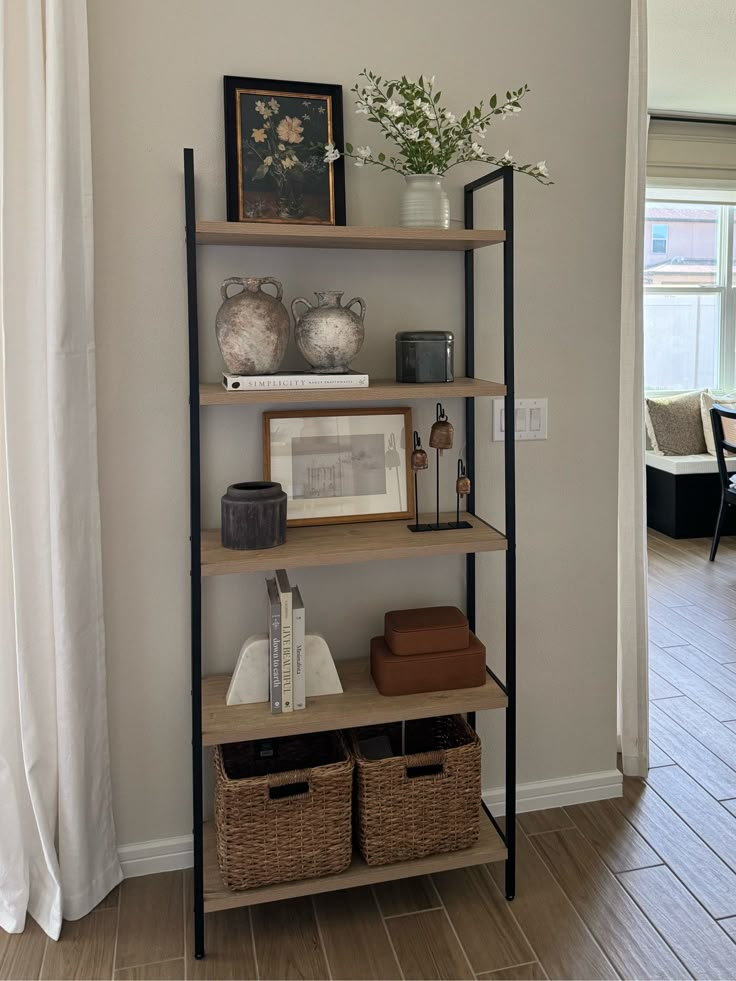
Mixing metals can work, but it requires restraint.
If every surface has a different finish, the room feels undecided.
Choose one dominant metal per room and let it repeat, lighting, hardware, frames, or accents.
This repetition is subtle, but it’s a detail designers rely on heavily to make spaces feel cohesive.
20. Add a Sense of Weight to Lightweight Furniture
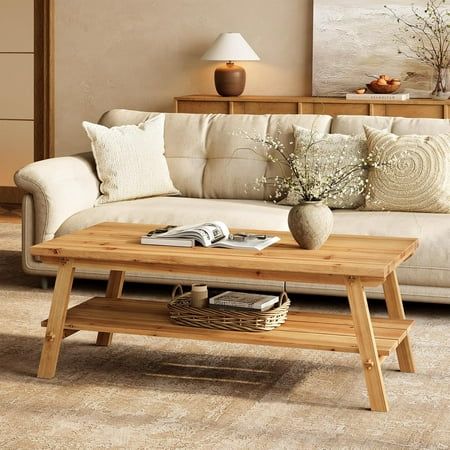
Rental furniture and budget pieces often look thin or temporary.
You can counteract this by grounding them with heavier elements nearby, solid rugs, substantial lighting, or darker accents.
A lightweight coffee table looks better when paired with a grounded sofa or thick rug.
This balance keeps the space from feeling flimsy or overly casual.
21. Make Your Bathroom Feel Calm
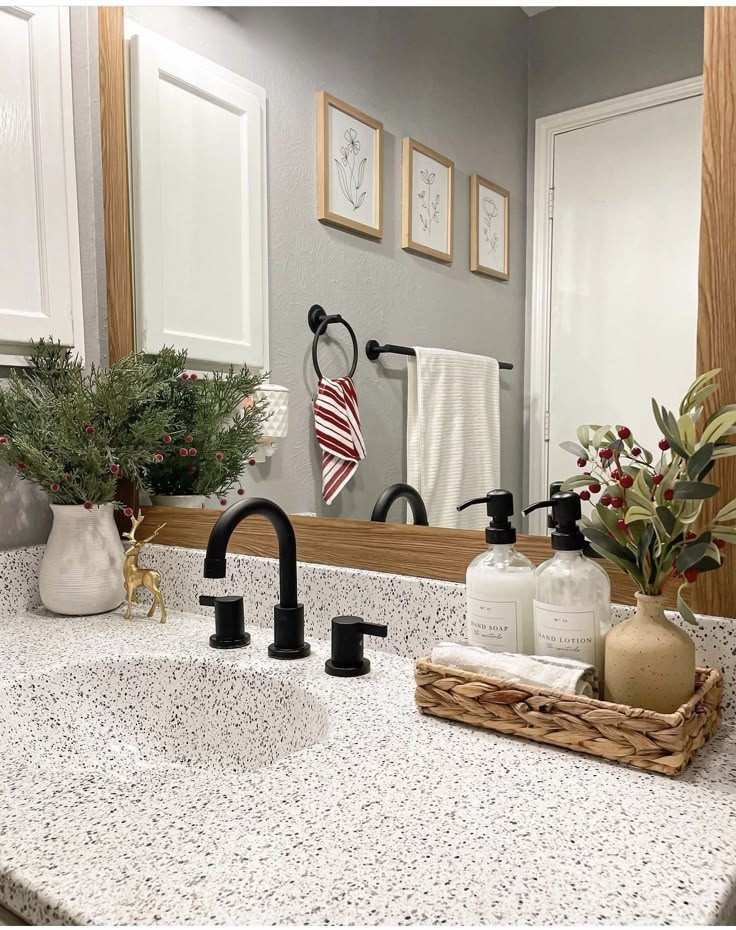
Bathrooms that feel expensive are usually quiet, not styled to death.
Limit countertop items to what you actually use and store the rest out of sight.
Neutral towels, consistent containers, and clean lines go further than themed decor.
This approach works especially well in small or builder-grade bathrooms where simplicity is your advantage.
22. Let Empty Space Exist Without Feeling the Need to Fill It
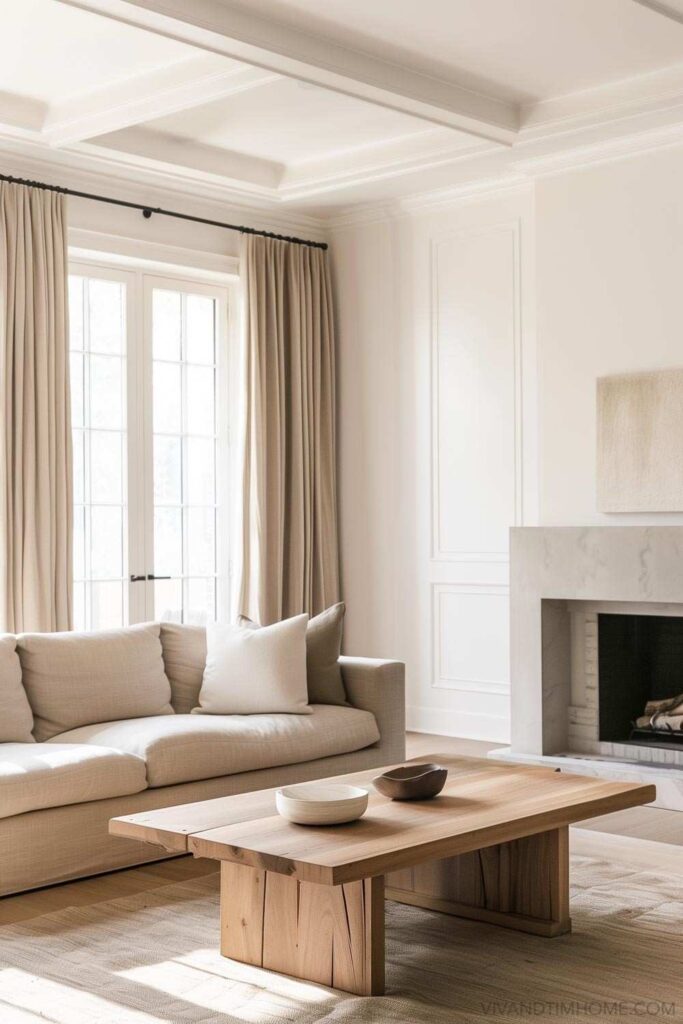
This is one of the hardest habits to adopt, but it’s also one of the most effective.
Not every corner needs something.
Empty space gives everything else more importance.
When you allow pauses in the room, your apartment starts to feel composed instead of crowded, which is a major reason high-end spaces feel the way they do.
This post showed you the best ways to make an apartment look expansive.