Why Finding Your Foundation Shade Is So Hard—and How to Get It Right
Foundation can look completely different on your skin than it does in the bottle. Here’s how to find your match and understand your undertone.
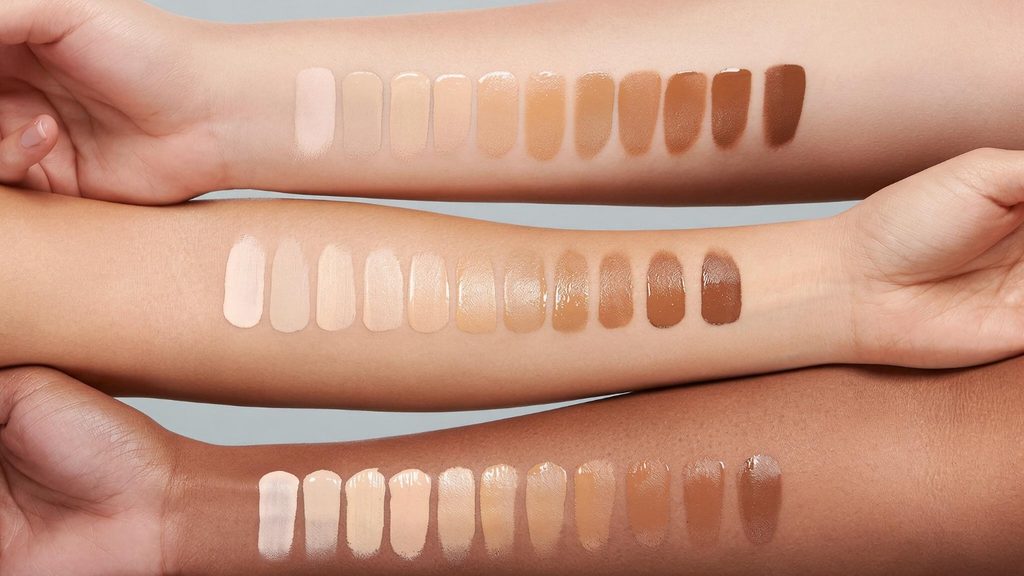
I have lost count of how many times I’ve thought I had finally found my foundation shade, only to see it properly in daylight and realize something was off. Not dramatically off, just enough that my face looked slightly more pink than my neck or a little too yellow around the edges. Those are the shades that are particularly frustrating because they don’t look wrong when you’re standing in the store. They look close. Close enough to buy, anyway.
After making that mistake more than once, I’ve stopped thinking of finding a foundation match as a matter of simply picking the lightest, darkest, or most familiar-looking shade. Sometimes the problem is the undertone; sometimes it’s the depth, and sometimes the foundation itself changes once it has been sitting on your skin for a while. The difference can be surprisingly subtle, which is probably why so many of us end up with a drawer of almost-right foundations. If you’ve been there too, here’s what I would actually pay attention to the next time you’re trying to find your match.
How to Choose Foundation Shade
1. Start With Your Undertone
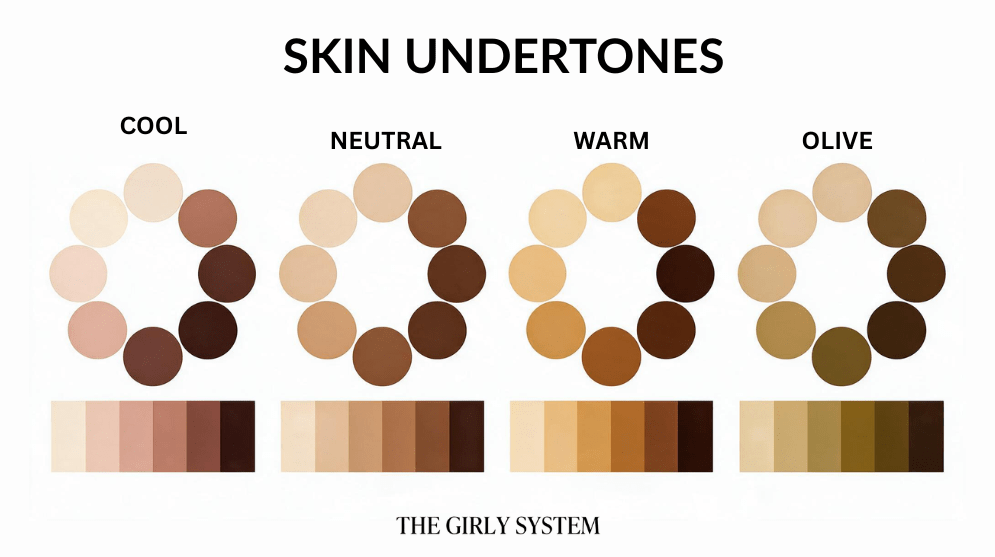
Before comparing foundation shades, figure out whether your skin has a warm, cool, neutral, or olive undertone. This matters because two foundations can have a similar depth while pulling noticeably different colors once applied. I’d use your natural skin rather than trying to judge undertone from how pink or tan your face looks on a particular day.
2. Match Foundation to Your Neck
Your face and neck do not always have exactly the same depth, particularly if your face is more exposed to the sun. Testing only against your cheek can therefore lead you toward a shade that looks right on the face but noticeably different from the rest of you. I’d compare the foundation along the jawline and slightly onto the neck instead.
3. Test Along the Jawline
The jawline is one of the most useful places to test several shades side by side. Apply narrow stripes rather than blending each one completely, then look at which color seems to disappear into the skin. The shade that needs the least convincing is usually the one worth considering.
4. Check the Shade in Natural Light
Store lighting can make foundation look very different from how it appears outdoors. If possible, step near a window or outside after applying your options and compare them again. Natural daylight makes differences in undertone and depth much easier to spot.
5. Compare Three Shades at Once
Rather than testing one foundation and deciding whether it looks “close enough,” I’d put three nearby shades next to one another. Choose one that looks slightly lighter, one that seems closest, and one that is slightly deeper. Seeing them together makes it much easier to identify which direction you actually need to move.
6. Learn the Difference Between Warm and Cool
Warm undertones tend to lean toward yellow, golden, or peachy tones, while cool undertones generally have pink, red, or bluish qualities. If a foundation consistently looks too yellow or too pink against your skin, the problem may be the undertone rather than the depth. That distinction can save you from endlessly trying lighter or darker shades that will never quite look right.
7. Don’t Assume Everyone Is Simply Warm, Cool, or Neutral
Some complexions sit between categories, and olive skin can make foundation matching particularly confusing. A shade can have the correct depth but still appear too pink, orange, or yellow. If standard warm, cool, and neutral options keep looking slightly wrong, look for brands that specifically offer olive undertones.
8. Use Your Jawline to Compare Undertone
Depth gets most of the attention when people test foundation, but undertone becomes much clearer when shades are placed next to one another. If two foundations are equally close in depth but one looks noticeably pinker or yellower, compare which one blends visually into the skin around your jaw. That is a more useful test than relying on the shade label.
9. Don’t Match Foundation to Your Hand
Your hands are not necessarily the same color as your face, so they are a poor place to make a final foundation decision. A shade that disappears into your hand can still look noticeably different on your complexion. Keep the testing area close to where you actually wear the product.
10. Consider How Your Skin Changes With the Seasons
Your foundation match may need to change slightly throughout the year. Skin can become deeper after more sun exposure, while your winter complexion may be lighter. I’d rather have two closely related shades available than force one foundation to work when your skin has clearly changed.
11. Pay Attention to Oxidation
Some foundations become slightly darker or warmer after sitting on the skin. If a shade looks right immediately but noticeably deeper after several minutes, that change matters. Let potential matches sit on your skin before making the final decision rather than judging them the second they are applied.
12. Test Foundation on Clean Skin
Skincare, sunscreen, makeup residue, and even artificial lighting can affect how a foundation looks during testing. When possible, test it on skin prepared the way you normally wear foundation, but avoid judging a shade over another layer of makeup. You want to see the actual color against your complexion.
13. Think About Your Skin’s Natural Depth
Don’t choose a foundation simply because the shade looks appealing in the bottle or because the name sounds close to your complexion. Look at the depth of your skin without makeup and compare it with the available shades. The goal is not to make your complexion lighter or darker unless that is an intentional part of your makeup routine.
14. Check Whether the Foundation Runs Pink or Yellow
Sometimes the problem becomes obvious only after application: the foundation may look pinker, yellower, or more orange than your skin. Put a few options next to one another and look for the one that creates the least visible line. This is especially helpful when a brand’s shade descriptions are difficult to interpret.
15. Consider Olive Undertones
Olive undertones can sit between the usual categories and may have a subtle green or muted quality. Foundations that are too pink can look visibly rosy, while strongly yellow shades can pull too golden. If this sounds familiar, searching specifically for olive-friendly shades can narrow the options considerably.
16. Don’t Choose a Shade Based on Your Favorite Brand
A shade called “medium neutral” in one foundation range may look completely different from a shade with the same description elsewhere. Shade names are useful for navigating a range, but they are not universal measurements. I’d treat the name as a starting point and the actual color on your skin as the deciding factor.
17. Match Your Foundation for the Way You Actually Wear Makeup
If you regularly wear bronzer, contour, blush, or self-tanner, think about how foundation fits into that routine. Your base still needs to match your skin rather than your bronzer, but the surrounding products can affect how the final complexion reads. Test the foundation in the context of your usual makeup when possible.
18. Don’t Automatically Go Lighter for Brightness
A lighter foundation is not necessarily what makes the complexion look brighter. If the depth is too light, the face can look visibly different from the neck and chest. I’d choose a true skin match first and use concealer or other complexion products where additional brightness is actually needed.
19. Don’t Automatically Go Darker to Look More Tanned
Foundation is usually better used to match your complexion than to create an overall tan. If you want more warmth, bronzer can do that without changing the base color of the entire face. A foundation that is noticeably too deep can make the complexion look muddy rather than sun-kissed.
20. Test the Foundation Before Buying the Full Size
If a store offers samples or testers, use them. A shade that seems right in a quick swatch can behave differently once applied across the face and worn for several hours. Testing first is particularly worthwhile when the foundation is expensive or the shade range is difficult to navigate.
21. Compare the Foundation Against Your Chest
If you regularly wear lower necklines or have a complexion that differs between your face and body, your chest can provide another useful reference point. The goal isn’t necessarily to match every visible area perfectly but to make sure the foundation doesn’t create an obvious change in color between your face and the skin surrounding it.
22. Consider Whether Your Foundation Has a Sheer or Full-Coverage Finish
Coverage changes how much the foundation’s color affects your final complexion. A sheer formula allows more of your natural skin tone to show through, while full coverage can make an incorrect undertone much more obvious. The more coverage you use, the more precise I’d be about the shade.
23. Look at the Foundation After Several Hours
A foundation match should still make sense once you’ve been wearing it for a while. Oil, skincare, sweat, and oxidation can all change the way the color appears. If possible, check the shade again later in the day before deciding that it is your match.
24. Take a Photo in Daylight
Your eyes can adjust surprisingly quickly when you’re looking at your own makeup. A photo can make a mismatch much easier to see, particularly around the jawline and hairline. I’d take one in natural daylight and look for any obvious difference between the face, neck, and chest.