18 Neutral Living Room Decor Ideas That Prove Beige Doesn’t Have to Be Boring
Neutral living rooms can be inviting, layered, and full of personality. These decorating ideas show how to make a quiet color palette feel considered, comfortable, and distinctly your own.

Neutral living rooms are easy to get wrong. When everything sits within the same quiet palette, a room can quickly feel flat, unfinished, or like it came straight from a furniture showroom. Except anyone who has actually tried to decorate a living room this way knows it is not quite that simple. When you take strong color out of the equation, every other decision becomes more noticeable. A sofa that is the wrong shade of cream can suddenly look pink against the walls. A rug that seemed subtle in the store can disappear completely at home.
That is why the best Neutral Living Room Decor Ideas are less about choosing beige and more about creating layers. If you’re decorating a neutral living room, or trying to figure out why the one you already have feels a little flat, these are the ideas worth stealing.
Neutral Living Room Decor Ideas
1. Layer Several Shades of the Same Neutral

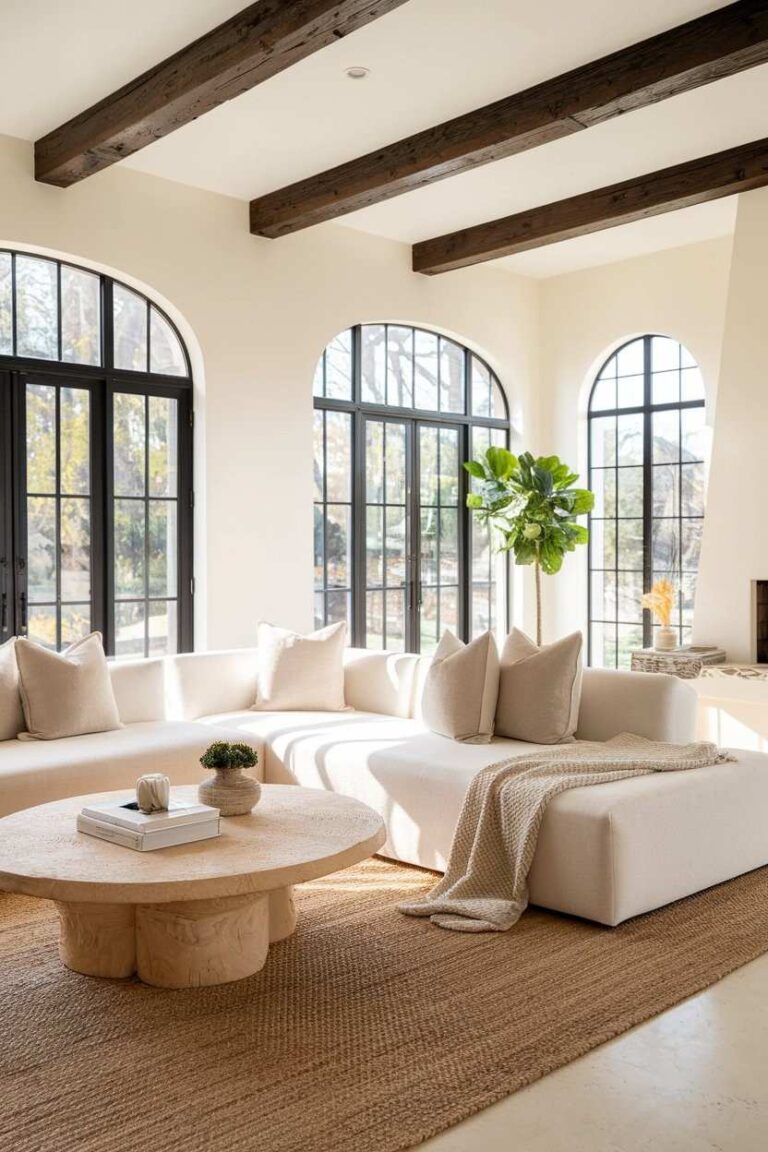
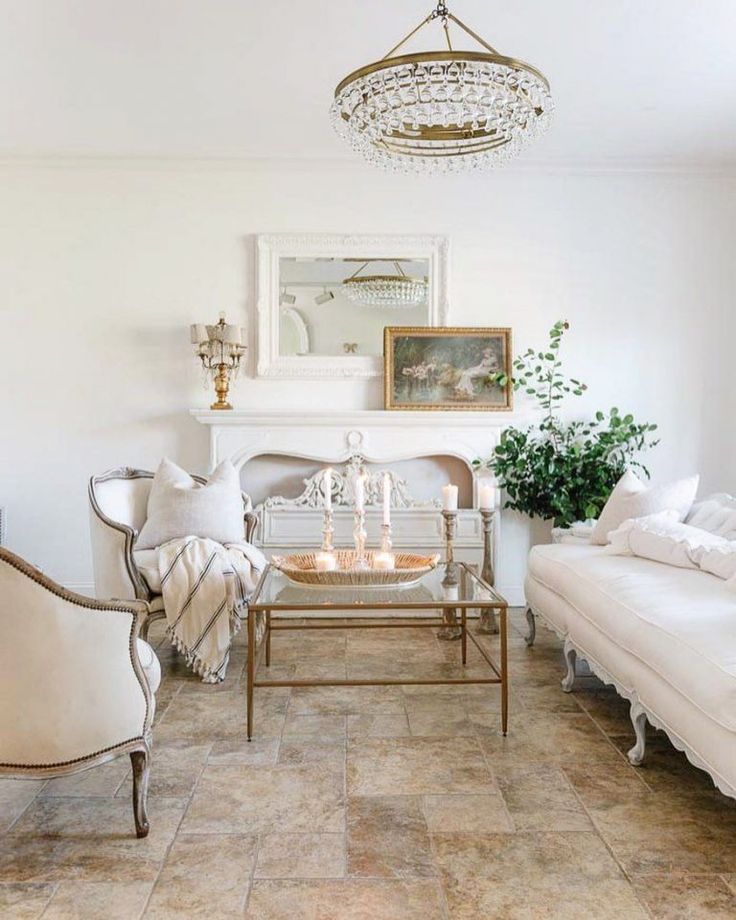
Start with one neutral you genuinely like, then move around it rather than trying to match everything exactly. An ivory wall, oatmeal sofa, mushroom-colored rug, and sandy linen curtains can sit together beautifully because each shade has a slightly different temperature.
This is much more interesting than buying every piece in beige. Your eye should notice the differences gradually rather than seeing one giant block of the same color.
2. Put a Dark Wood Piece in the Room

If your room is starting to feel too pale, don’t immediately reach for an accent color. Try walnut.
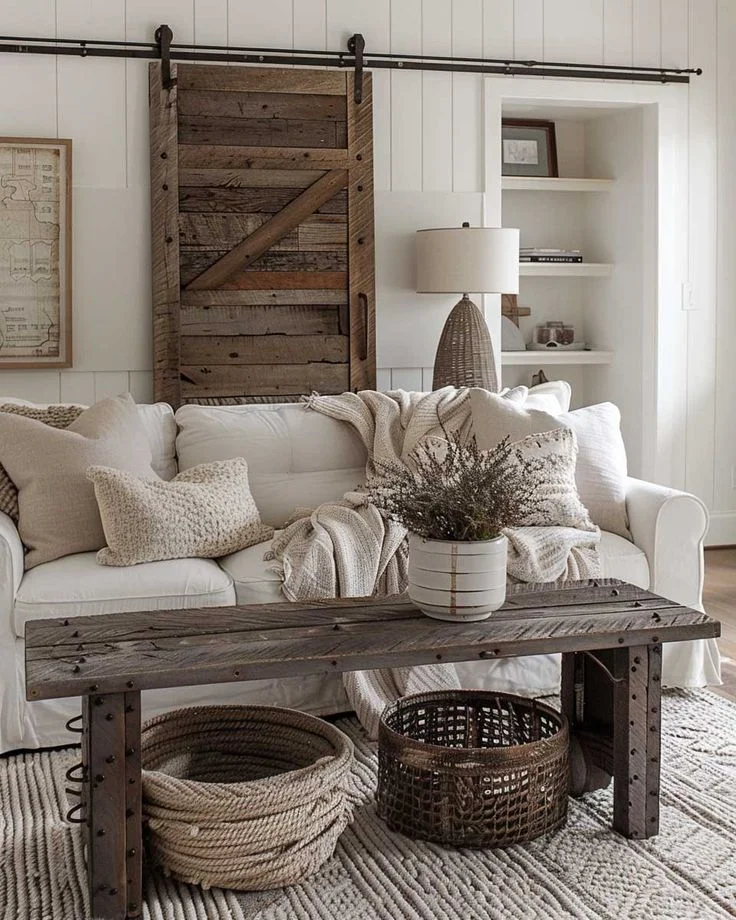
A dark wooden coffee table, cabinet, or side table can give a room the visual weight it needs while keeping the palette restrained. I particularly like dark wood against creamy upholstery because the contrast feels intentional rather than decorative.
3. Mix Warm and Cool Neutrals

Here’s where neutral decorating gets interesting.
Instead of deciding that the entire room must be warm beige, introduce a cooler stone or gray somewhere in the mix. A warm ivory sofa beside a gray-beige rug can create just enough tension to keep the room from looking one-dimensional.
The trick is moderation. If every neutral pulls in a completely different direction, the room loses its visual thread.
4. Choose One Sculptural Chair

You don’t need a colorful statement chair to make the seating arrangement interesting.
A chair with an unusual silhouette can do the job instead. Look for a dramatic curved back, chunky arms, an angular frame, or an interesting woven construction.
And resist buying two. One unusual chair has presence, a matching pair can make the room feel like a furniture showroom.
5. Make the Sofa Less Perfect

A perfectly tailored sofa can look beautiful, but neutral rooms often benefit from something with a little softness.
A linen sofa with relaxed cushions or slightly rumpled upholstery makes the space feel lived in. You want to look at it and imagine actually sitting there with a book, not wonder whether you’re allowed to disturb the cushions.
This is one place where comfort should visibly win.
6. Use a Textured Rug Instead of a Busy Pattern

If you want the room to remain quiet, texture can replace pattern.
A thick wool rug, woven jute design, flatweave, or subtly irregular pile adds visual interest without introducing another strong motif. Run your hand over samples before buying if you can, with neutral rugs, the physical texture matters almost as much as the color.
A flat, synthetic-looking beige rug can make an otherwise beautiful room feel strangely lifeless.
7. Bring in Linen at the Windows

Curtains occupy far more visual space than we tend to give them credit for.
Linen or linen-look panels in ivory, flax, or soft stone can add movement around the windows and soften the harder furniture. Hang them high and let them reach the floor, that extra length makes a surprising difference.
Skip the stiff, perfectly pressed look. A little natural irregularity is exactly what makes linen work.
8. Add Black in Tiny Doses

A neutral room can handle black, and often needs it.
A black lamp, picture frame, fireplace surround, or slender side table gives the eye something firm to land on. You don’t need much.
My rule is to repeat the dark note at least twice. One black object can feel accidental; two or three small references make the contrast look deliberate.
9. Keep Some Surfaces Bare

This may be the least exciting idea on paper, but it can make the biggest difference.
You don’t need a stack of books, candle, vase, bowl, sculpture, and tray on every available surface. Leaving part of a console or coffee table empty allows the objects you do choose to have more presence.
If you’re unsure whether the room needs another accessory, try removing one first.
10. Hang One Large Piece of Art

You don’t need a gallery wall to make a neutral room feel finished.
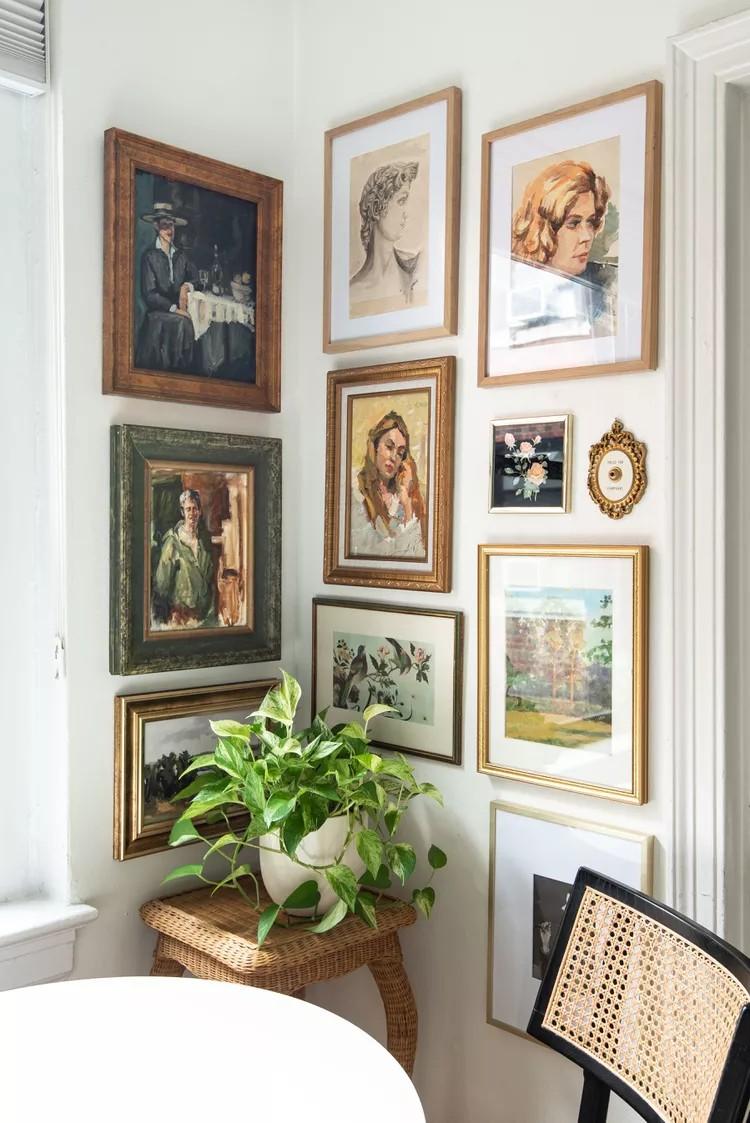
Sometimes one large piece of art has considerably more impact. Choose something with enough scale to hold the wall rather than several tiny pieces scattered across it.
And please don’t choose art solely because its colors match the sofa. The room can survive a little disagreement.
11. Try Brown Instead of More Beige

Brown is having a very good moment in interiors, and there is a reason it works so well here.
Chocolate, tobacco, caramel, and espresso shades bring depth without forcing the room into a conventional accent-color scheme. A brown leather chair or dark chocolate cushion can make cream upholstery look considerably richer.
If your neutral room feels washed out, brown is one of the first fixes I’d try.
12. Use Stone and Ceramic Objects

Decorative objects work better when they have different surfaces.
A matte ceramic vase beside a polished stone bowl creates a small contrast that you can actually see. Look for handmade pieces with uneven edges, visible texture, or subtle variations rather than filling shelves with identical decorative objects.
You want the room to suggest that these things were found, chosen, and kept, not purchased in one afternoon.
13. Mix Your Wood Tones

Matching all the wood in a room sounds sensible until you see what happens: everything starts looking like a coordinated set.
Mixing wood tones gives the room more depth. Pair pale oak with walnut, or a medium-toned vintage wood piece with lighter contemporary furniture.
The colors don’t have to match. They just need to make sense together.
14. Use Stripes Instead of Bright Color

If you’re afraid your neutral palette is becoming sleepy, introduce a stripe.
Cream and taupe, ivory and brown, or beige and charcoal can create a graphic element while keeping the color story controlled. A striped cushion, throw, or occasional chair is enough to change the rhythm of the room.
Stripes also have the advantage of looking good slightly rumpled. That’s important.
15. Add a Big Plant

One substantial plant can do more for a neutral living room than a collection of tiny pots.
A tall olive tree, ficus, or another sculptural plant adds height and an organic shape to all those straight furniture lines. Place it where the room needs a little vertical interest rather than automatically putting it beside the sofa.
Give it enough room to breathe. A plant squeezed behind furniture looks like an afterthought.
16. Use a Leather Accent

Leather is particularly useful when a room has too many soft fabrics.
A cognac leather chair or ottoman introduces a smoother, slightly harder surface and adds a warm brown note. The material also changes beautifully over time, which is something a brand-new boucle chair can’t really claim.
Let it develop a few marks. That’s part of the appeal.
17. Choose Cushions With Different Shapes

If your sofa is neutral, don’t compensate by buying twelve cushions in slightly different versions of the same square.
Mix rectangular lumbar cushions, round shapes, textured fabrics, and perhaps one patterned piece. A combination of linen, wool, velvet, or woven textiles creates much more visual variation.
Three good cushions are usually better than seven forgettable ones.
18. Style the Shelves With Books You Actually Like

Books are one of the easiest ways to make a room feel personal.
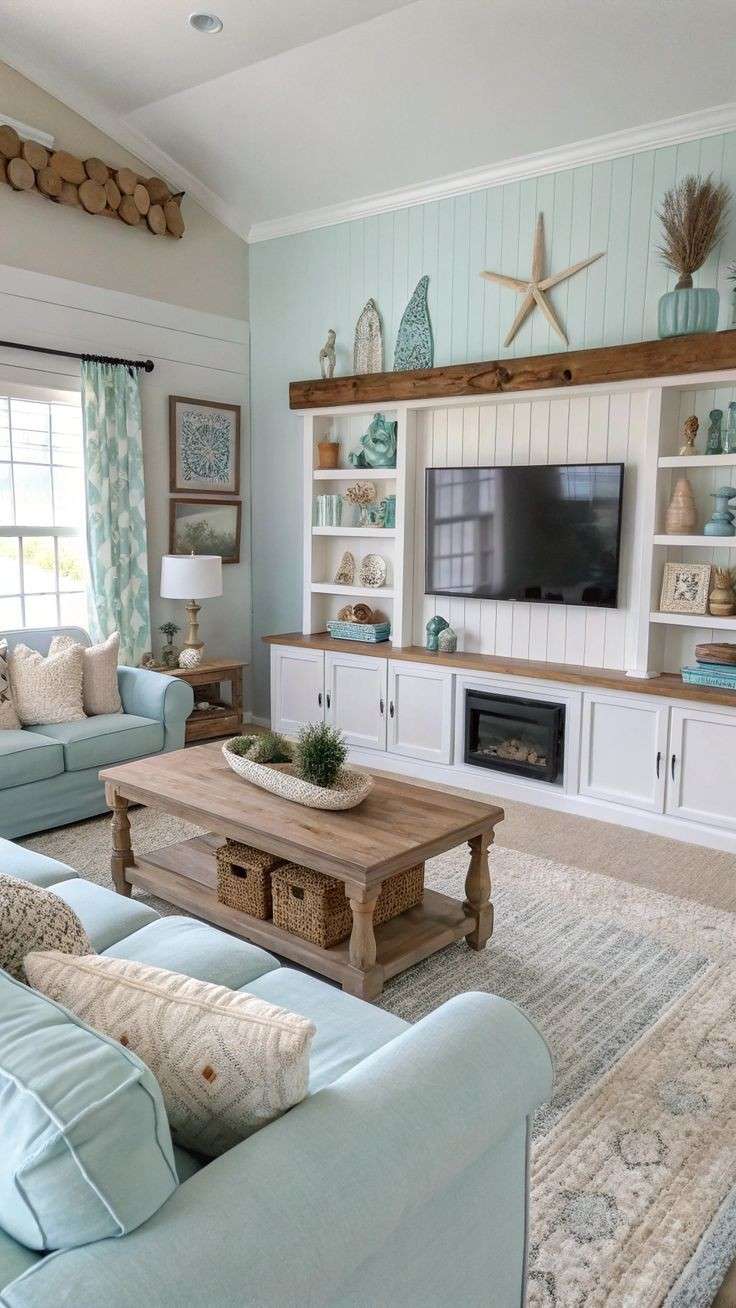
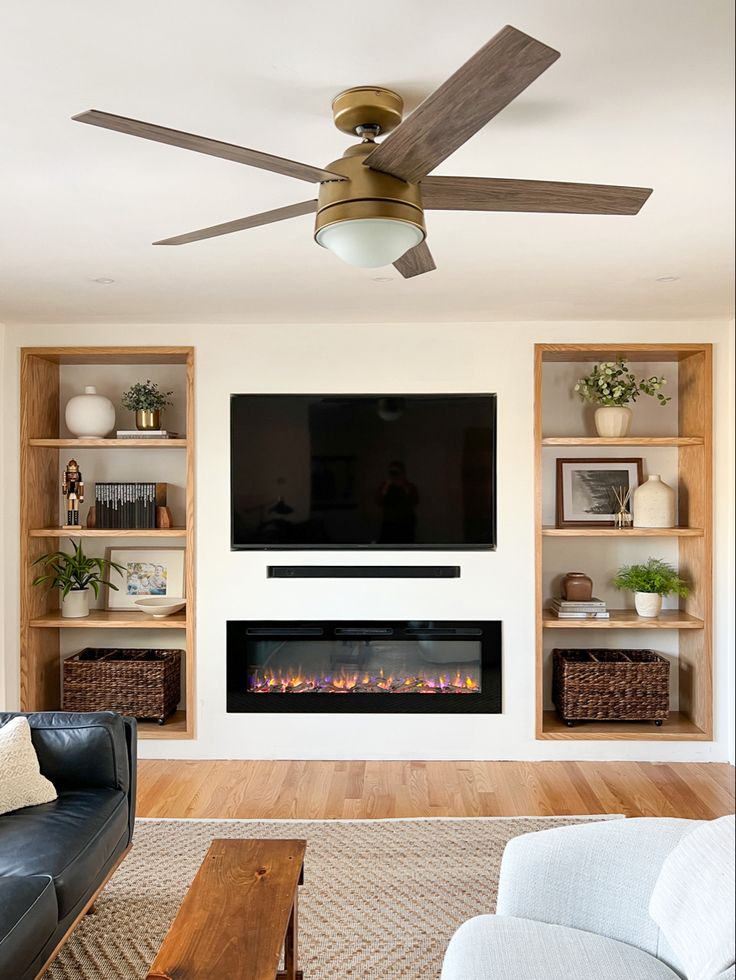
Stack a few horizontally, stand others vertically, and leave enough space between groups so the shelves don’t become a wall of objects. Add a ceramic piece or small photograph here and there.
And use books you would actually read. A shelf shouldn’t look like it was assembled entirely for a photograph.