15 Sofa Table Decor Ideas That Make Your Living Room Look Thoughtfully Designed
Discover stylish sofa table decor ideas that designers swear by. From layered lighting to curated accessories, these ideas will make your living room feel beautifully lived-in.
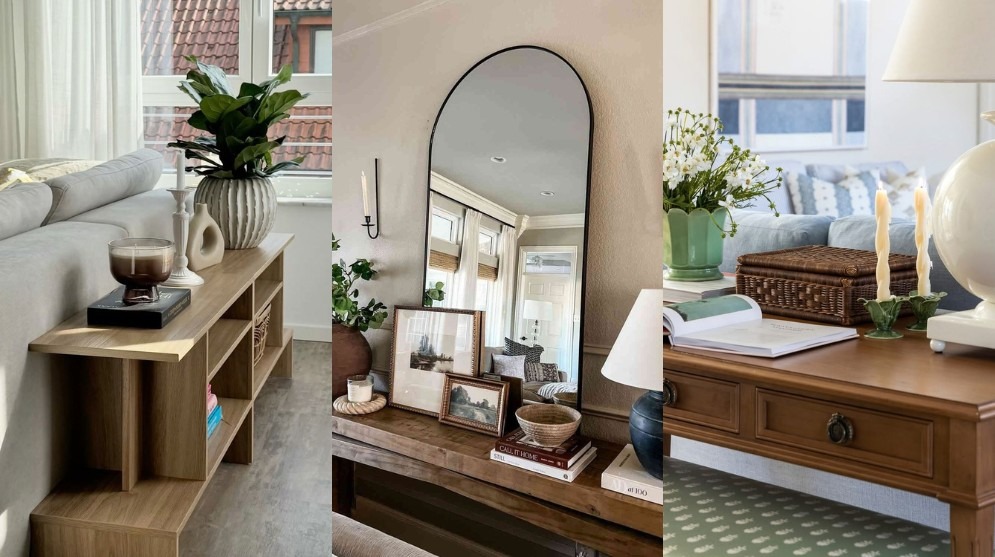
The space behind a sofa is often one of the largest missed opportunities in a living room.
Most people either ignore it completely or treat it like a dumping ground for lamps, remotes, mail, and whatever happens to be nearby.
The result is a room that feels unfinished, even when everything else is beautifully decorated.
The most inviting rooms are built from layers, and some of the most important layers happen in places people tend to overlook.
Take the sofa table.
It’s not the statement piece. It’s not the furniture guests compliment first. In many homes, it’s barely considered at all. Yet it’s often positioned at one of the most visually important points in the room, the place where seating meets circulation, where open space meets intimacy, where the eye naturally pauses before moving on.
That’s because decorating a sofa table isn’t really about decorating a sofa table.
It’s about understanding balance. Scale. Rhythm. Personality. It’s about knowing when a room needs another object and when it desperately needs empty space.
Sofa Table Decor Ideas
1. Create a Layered Lamp Moment Instead of Symmetry
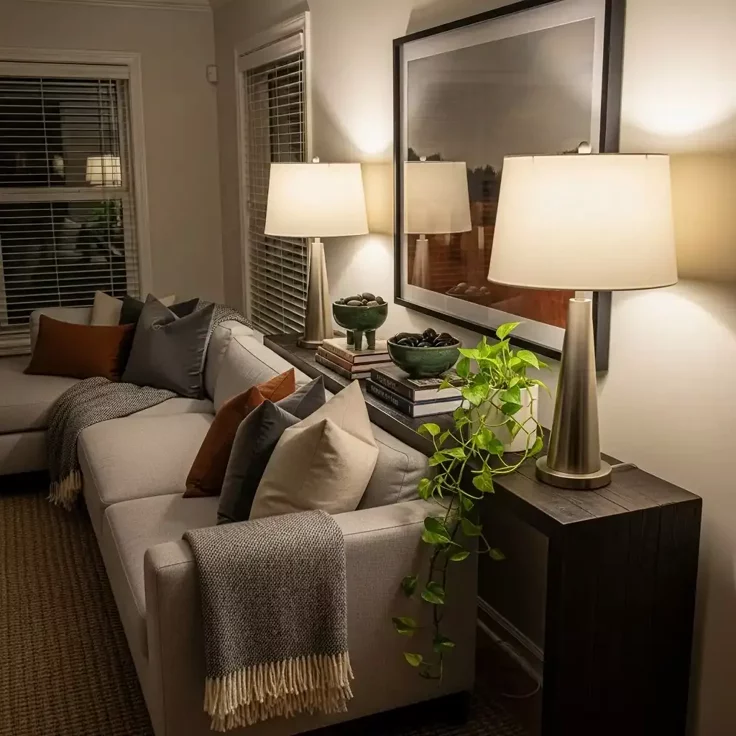
There’s an outdated belief that every sofa table needs matching lamps at both ends. Sometimes symmetry works. Often, it feels predictable.
A single substantial lamp positioned off-center can create far more visual interest than a perfectly mirrored arrangement. The asymmetry introduces movement, encouraging your eye to travel across the table rather than stopping at identical bookends.
This approach also reflects how people actually live. Real homes rarely feel perfectly balanced. They’re built over time through discoveries, additions, and changing tastes.
When every object is perfectly matched, the room can start feeling more like a showroom than a home.
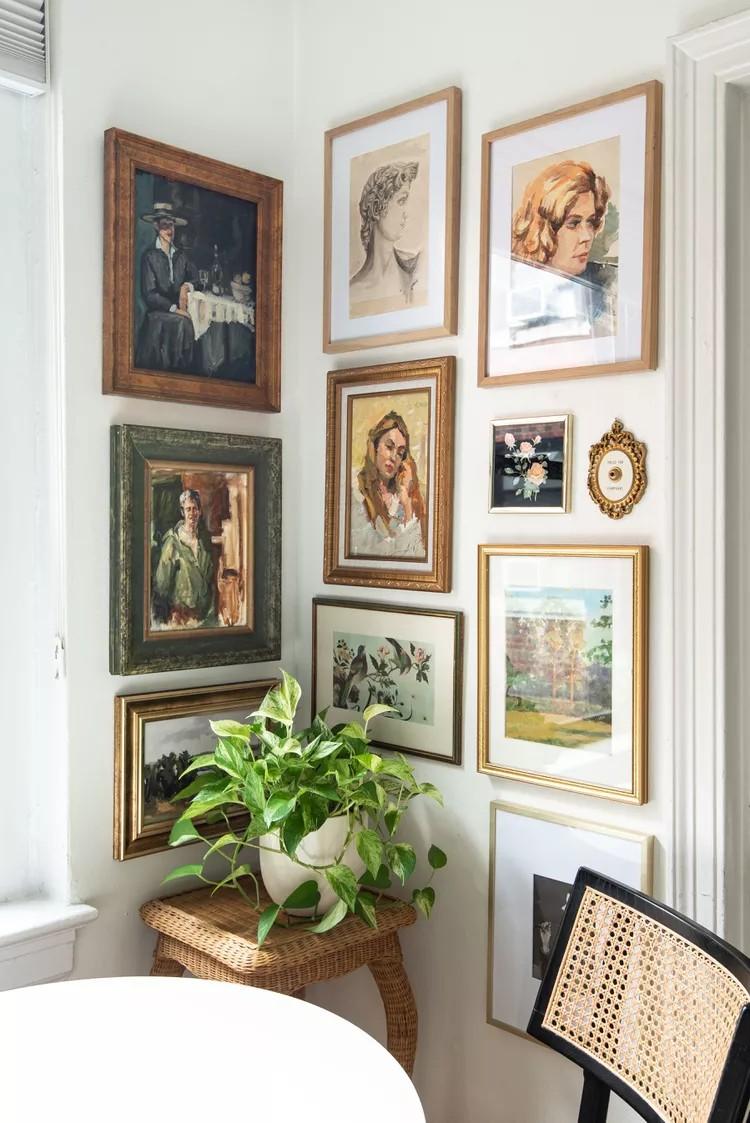
2. Treat the Table Like a Gallery Wall Turned Horizontal
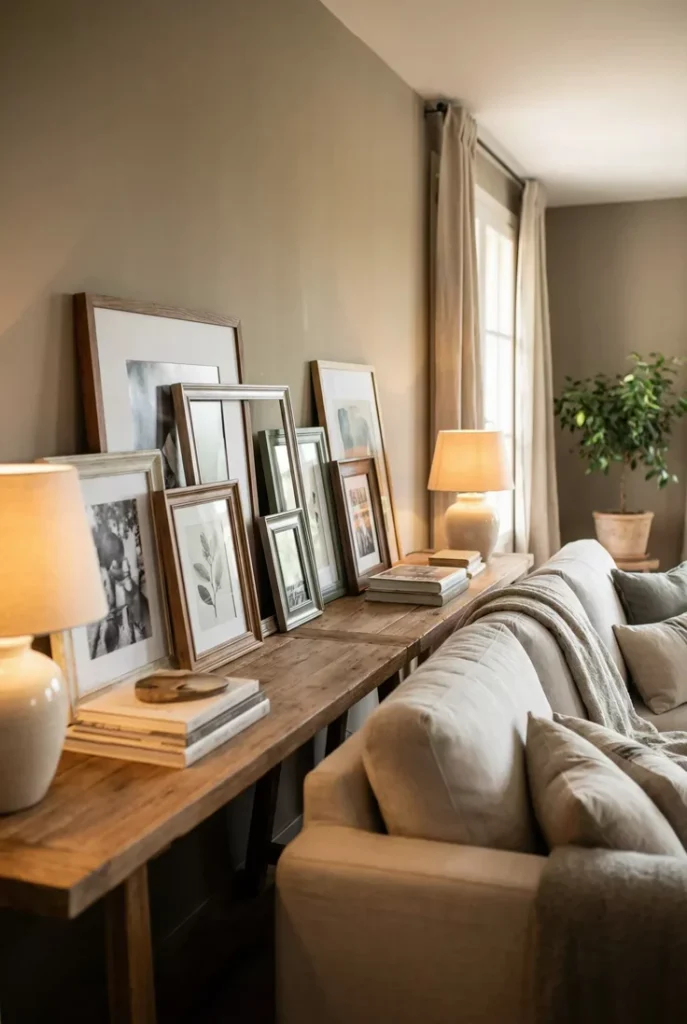
Many people understand how to style a wall but struggle with a tabletop because they approach it differently. The truth is, the same design principles apply.
Think of the sofa table as a horizontal gallery.
Instead of hanging art, you’re arranging objects that vary in height, shape, and visual weight. A framed photograph can sit beside a sculptural vase. A stack of books can elevate a smaller decorative piece. A bowl can provide negative space between taller elements.
The beauty of this mindset is that it immediately eliminates clutter. Every object earns its place because it contributes to the overall composition.
The arrangement feels less like decoration and more like storytelling.
Good styling isn’t about having expensive things. It’s about understanding relationships between objects.
3. Use Flowers Like a Designer
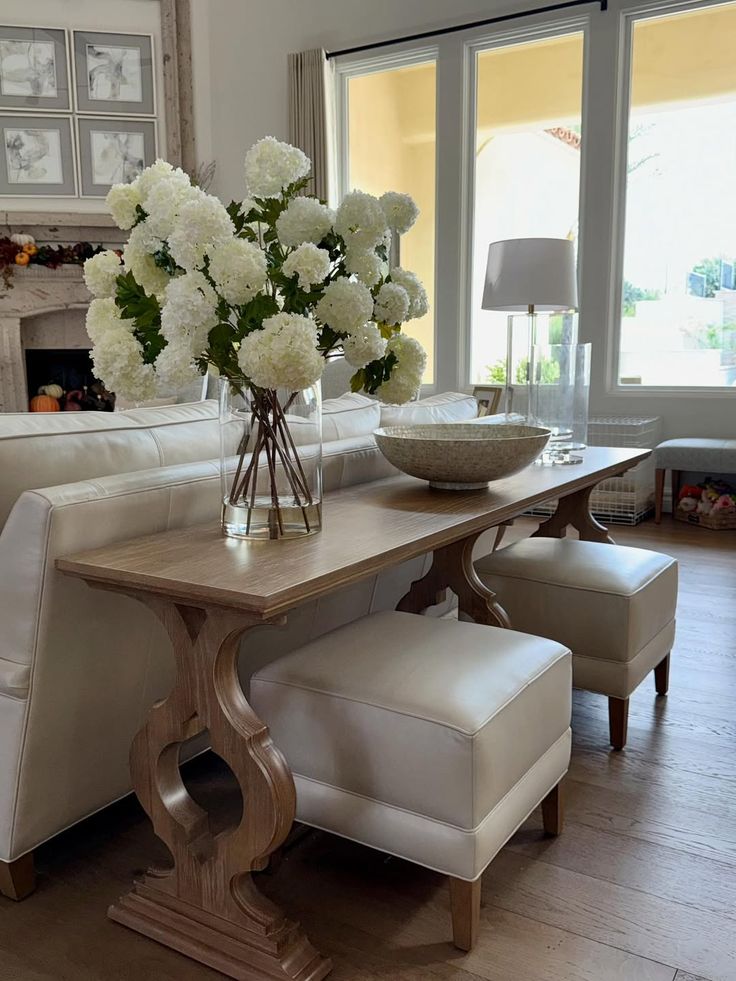
Fresh flowers have a way of making a room feel cared for.
The mistake many people make is treating flowers as a special-occasion purchase rather than part of everyday decorating. Designers, on the other hand, often use flowers the same way they use lighting or textiles, as a tool for bringing life into a space.
What’s interesting is that flowers don’t just add color. They introduce movement.
Living rooms are filled with straight edges, square cushions, and structured furniture. Flowers break that rigidity and make a room feel more relaxed and human.
And unlike most decorative accessories, flowers change from week to week. That subtle sense of impermanence keeps a room from feeling static.
4. Let Books Become Part of the Architecture
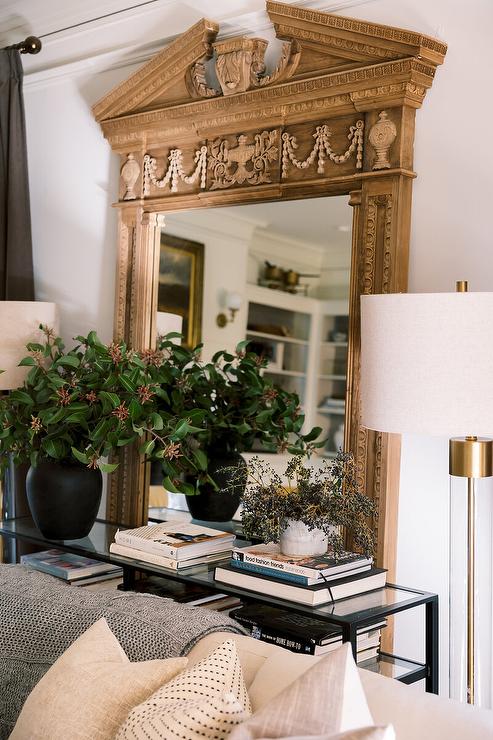
Coffee table books often get treated as accessories. In reality, they function more like architectural tools.
Books create height. They establish structure.
A sofa table styled with thoughtfully selected books feels grounded because books naturally communicate permanence. They suggest that the room is lived in rather than staged for photographs.
The trick is resisting the urge to stack too many. Two or three meaningful stacks often look stronger than a dozen carefully arranged titles.
Good styling isn’t about quantity. It’s about giving individual elements enough importance to be noticed.
5. Anchor the Entire Table With One Large Vase
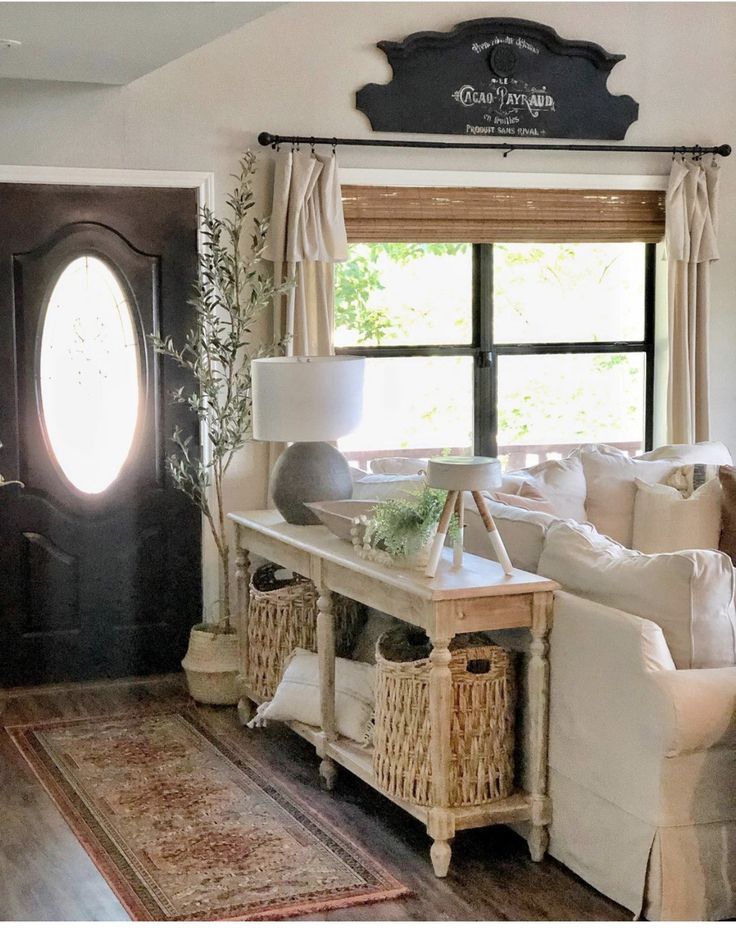
One of the most common sofa table styling mistakes is treating every decorative object with equal importance.
Think of it as the visual anchor of the entire composition. Whether it’s a textured ceramic vessel, a stoneware urn, or a sculptural modern piece, the vase provides the scale that many sofa tables desperately need.
Once that foundation is established, a few smaller objects, a stack of books, a candle, a decorative box, or a small bowl, can support it without competing for attention.
This approach works because great styling isn’t about creating equal importance among objects. It’s about establishing a hierarchy. The vase becomes the main character, while everything else plays a supporting role.
Ironically, adding one oversized piece often makes a sofa table feel less cluttered than filling it with lots of smaller decor.
6. Use Decorative Boxes to Hide Real Life
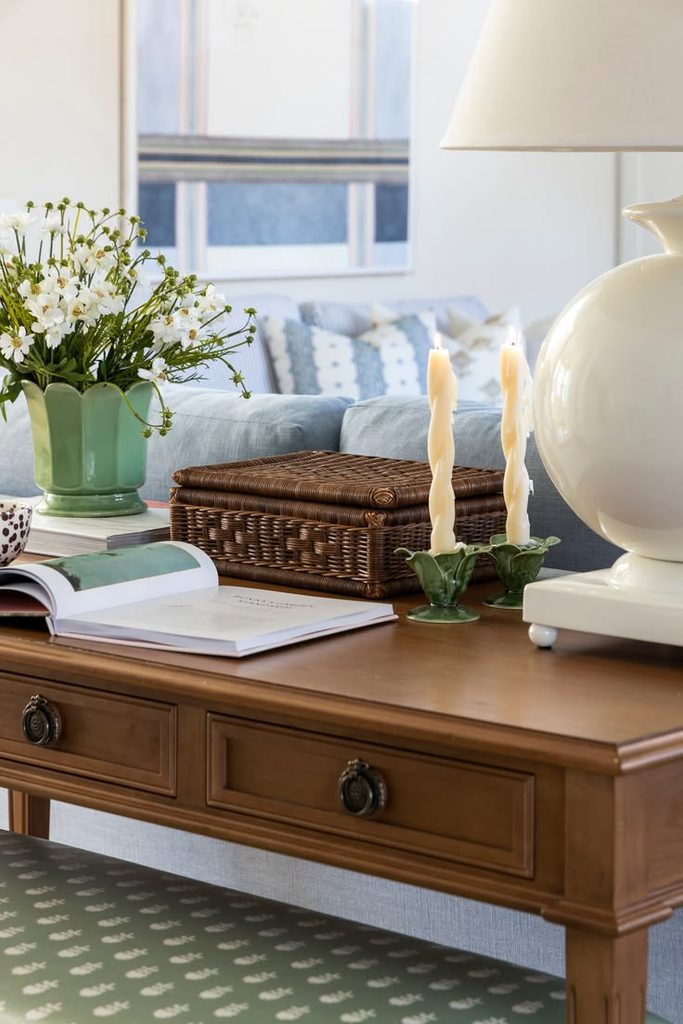
Not every styling element needs to be purely decorative.
In fact, the best rooms blur the line between beauty and function.
A beautiful box placed on a sofa table can discreetly store remotes, charging cords, coasters, or everyday clutter that tends to migrate into living spaces.
The room immediately feels calmer because visual distractions disappear.
People often underestimate how much mental energy clutter consumes.
Even small amounts create subtle background noise.
Thoughtful storage isn’t just organizational. It’s emotional.
7. Introduce Contrast Through Materials
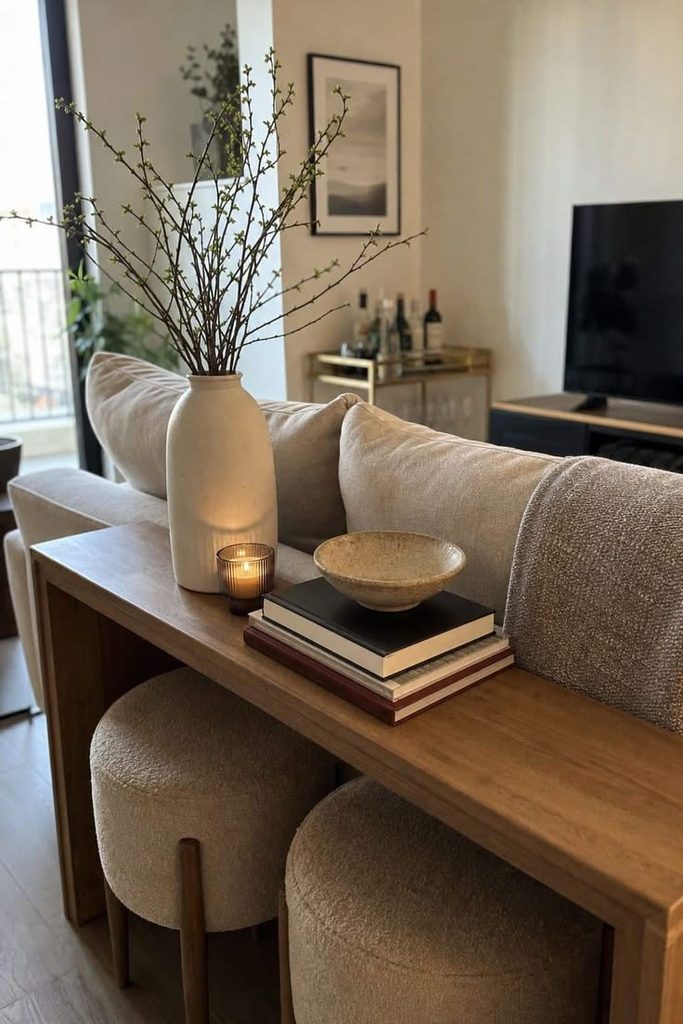
When every object on a sofa table shares the same texture, the arrangement can feel flat.
Contrast creates energy.
If your sofa is upholstered in soft fabric, consider incorporating stone, metal, glass, or aged wood nearby. The differences create layers that make the room feel richer and more dynamic.
Designers frequently rely on material contrast because it adds depth without requiring additional color.
Our eyes notice color first.
Our brains remember texture.
8. Make It Feel Like a Library Corner
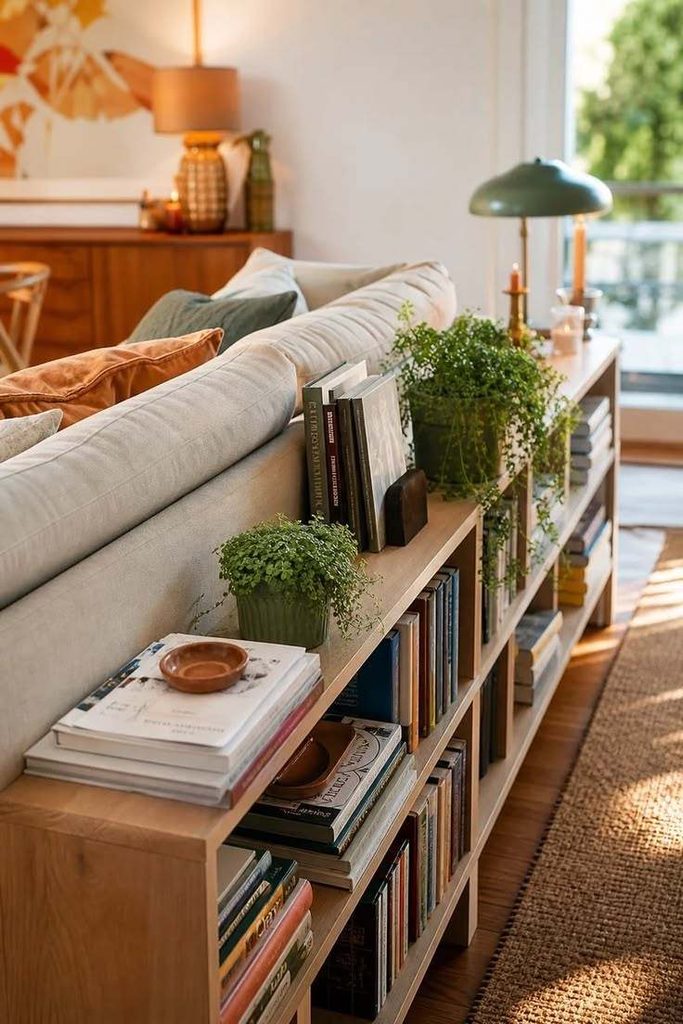
Some living rooms feel beautiful but oddly impersonal.
Adding books, framed photographs, and objects that reflect personal interests can transform the atmosphere entirely.
A sofa table styled like a miniature library introduces warmth and intelligence to a space.
The room starts feeling inhabited rather than merely decorated.
Because the most inviting homes rarely feel designed around furniture alone.
They feel designed around people.
9. Create a Soft Glow Instead of Relying on Overhead Lighting
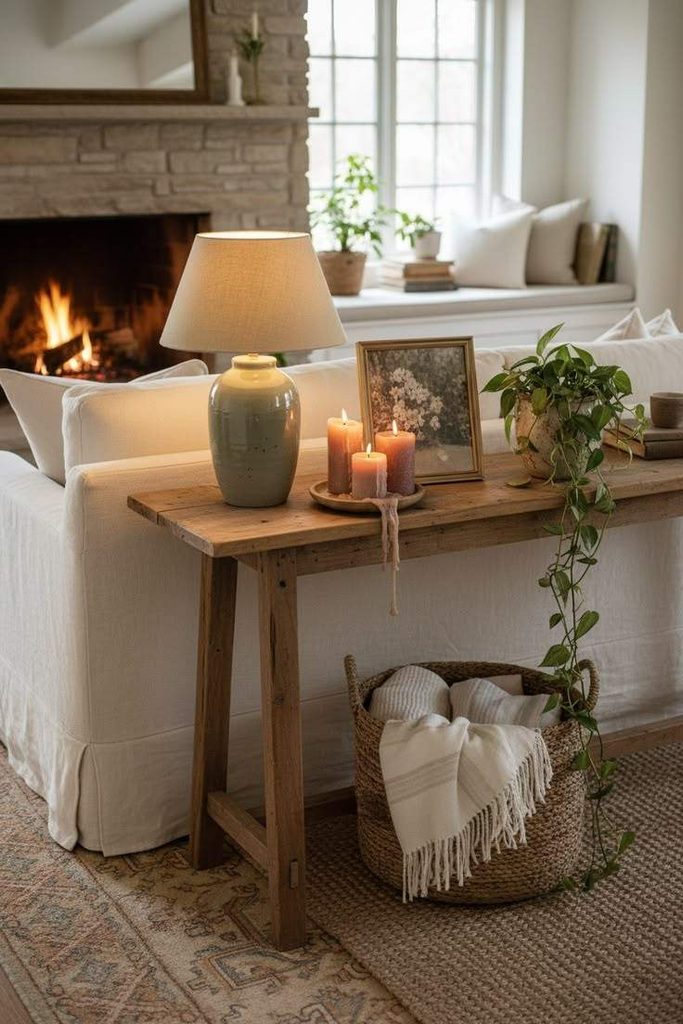
One of the quickest ways to make a living room feel unfinished is depending entirely on ceiling lights after sunset.
Place a table lamp, cordless lamp, or even a pair of small accent lights along the console and suddenly the entire atmosphere shifts. The room feels quieter. Softer. More intentional.
What makes this particularly effective is that the light source sits lower than eye level. It creates pools of illumination rather than flooding the space.
The most beautiful sofa table styling often disappears during the day and comes alive at night.
10. Let One Sculpture Carry the Entire Arrangement
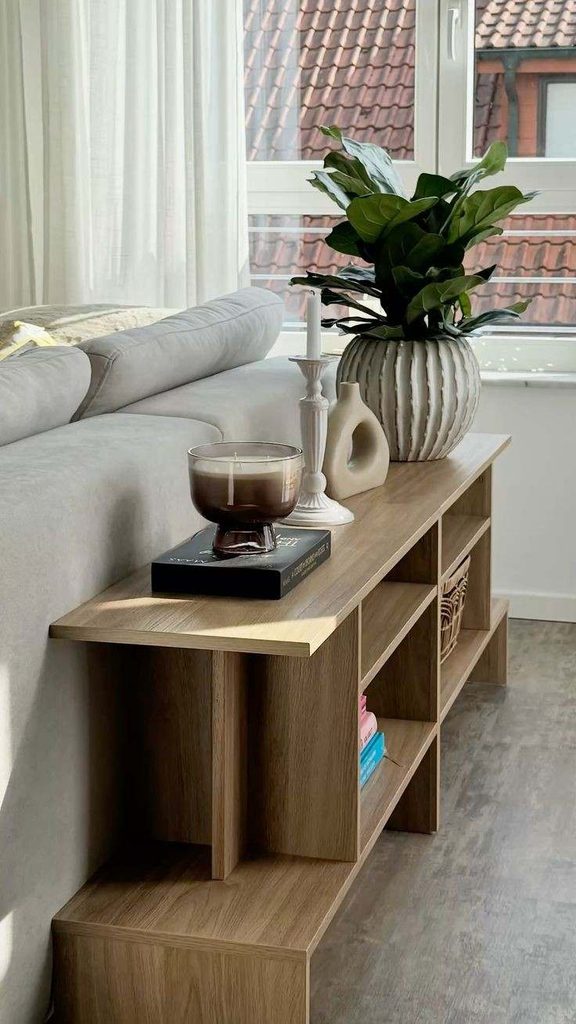
There’s a temptation to fill every inch of a sofa table because the surface feels incomplete when it’s empty. That instinct is usually wrong.
A single sculptural piece can often do the work of ten smaller accessories.
Whether it’s an abstract ceramic form, a carved stone object, or a modern metal sculpture, one strong piece establishes confidence in a room. It signals that the homeowner isn’t decorating out of obligation but making deliberate choices.
Sometimes the most sophisticated decorating choice is allowing one object to have the spotlight.
11. Build Around a Tray Like a Designer Would
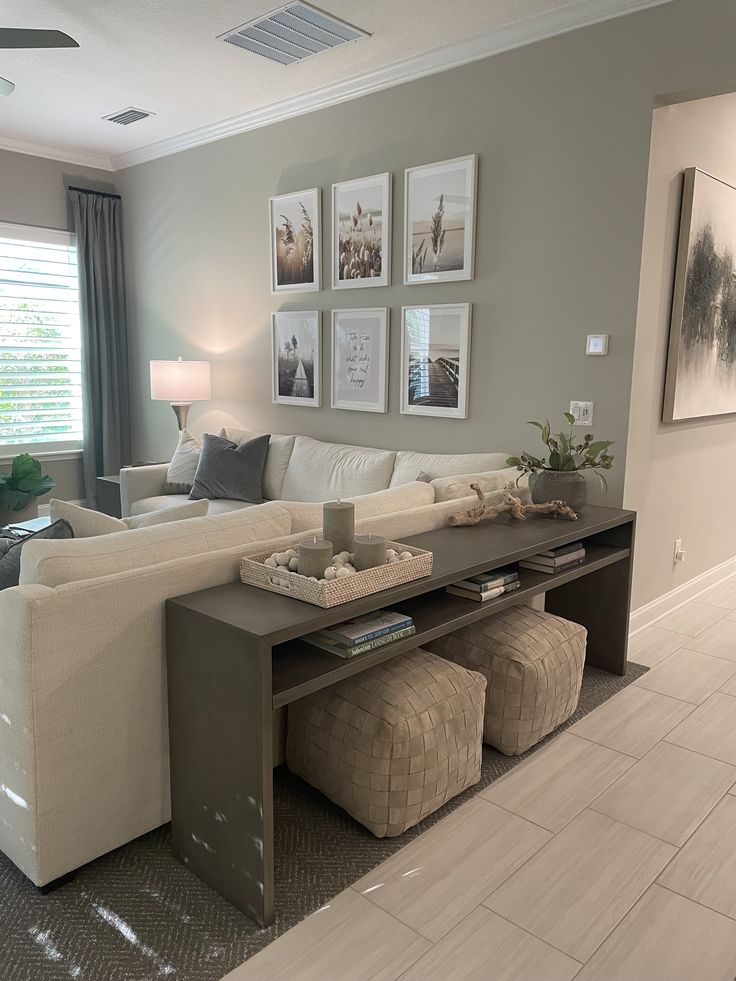
One reason sofa tables often end up looking cluttered is that every item exists independently.
A tray solves this problem instantly.
Designers use trays not because they’re trendy but because they create visual boundaries. Several objects grouped inside a tray read as one composition rather than multiple disconnected pieces.
The table immediately feels more organized even if the number of objects hasn’t changed.
It’s a simple trick, but it changes how the brain processes the space.
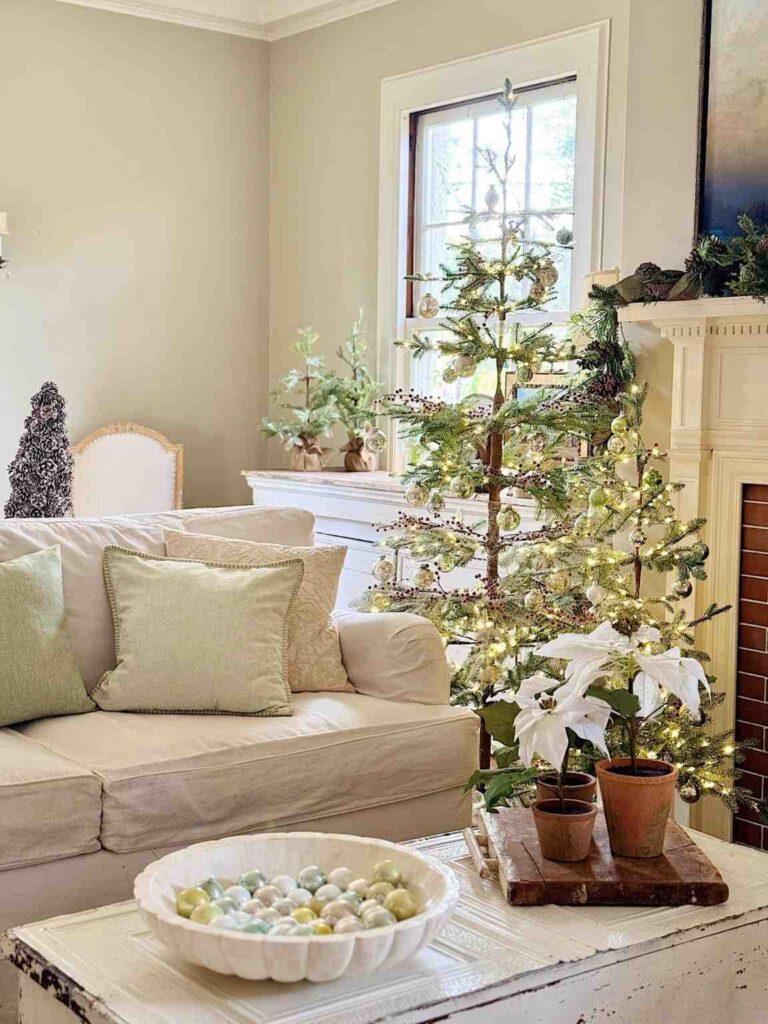
12. Use the Table to Introduce Seasonal Shifts
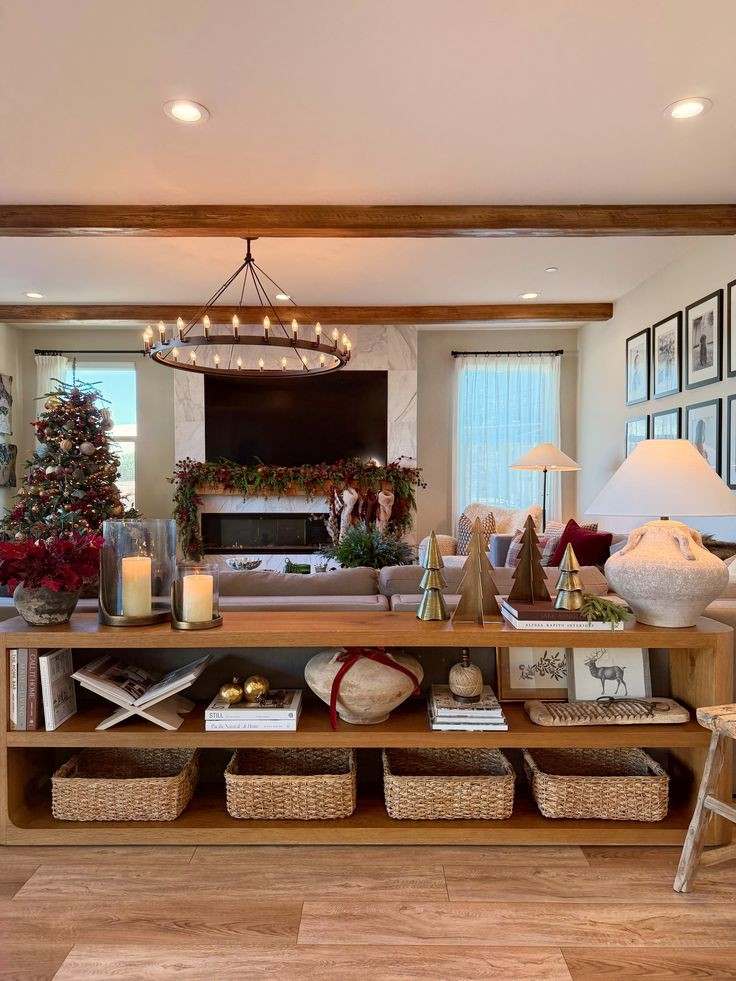
Most people think seasonal decorating means storing bins of themed accessories.
A sofa table is one of the easiest places to subtly acknowledge changing seasons without making the room feel like a holiday display.
The foundation remains the same while a few elements evolve throughout the year.
This approach feels elegant because it mirrors nature rather than competing with it.
Homes feel more connected to the world outside when they acknowledge seasonal rhythms.
13. Add Height With a Pair of Tall Candlesticks
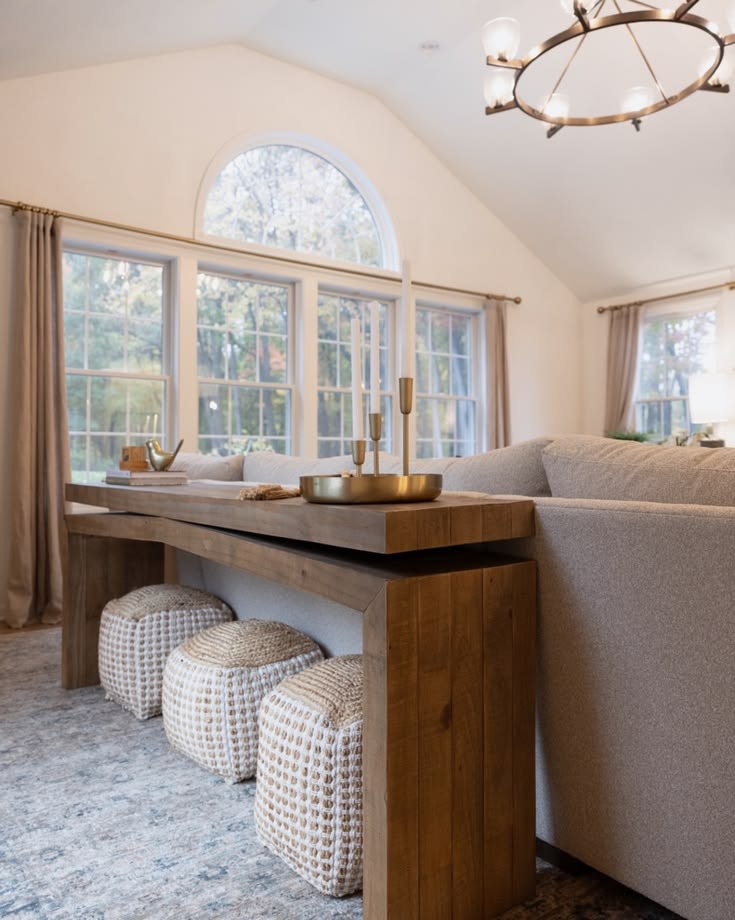
A common styling issue occurs when every object on a sofa table sits at roughly the same height.
The arrangement becomes visually flat. Tall candlesticks instantly solve this problem.
They draw the eye upward, introduce vertical movement, and create a sense of elegance that feels timeless rather than trend-driven.
Even when they’re never lit, candlesticks function almost like miniature architectural elements.
When they are lit, the effect becomes even more powerful.
14. Make the Table a Reflection of Your Hobbies
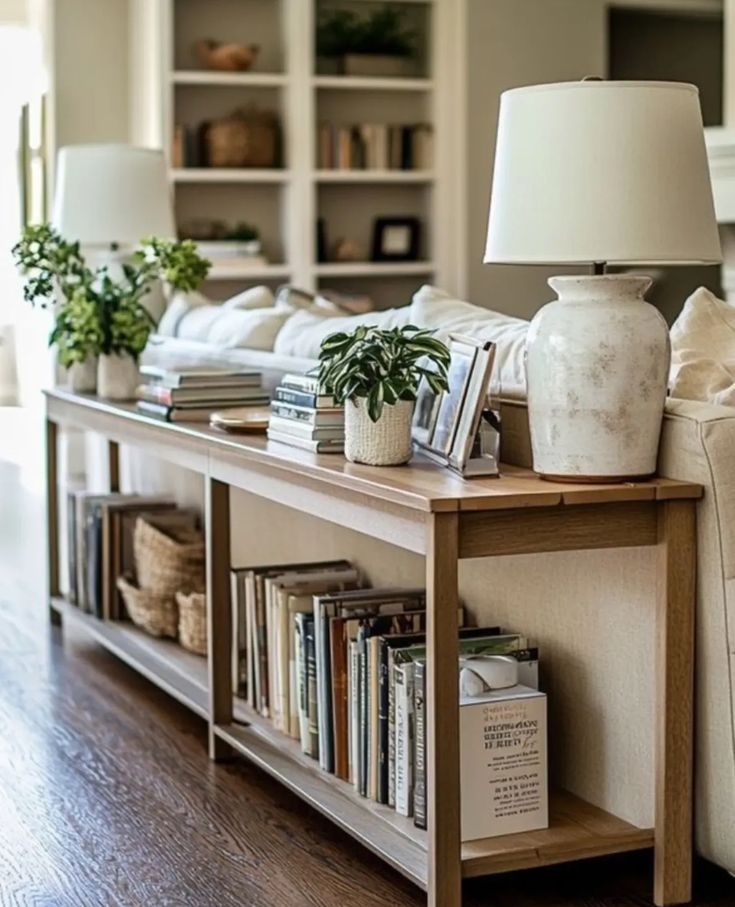
Many beautifully decorated rooms suffer from the same problem: they could belong to anyone.
Instead of styling purely for appearance, consider displaying subtle references to what you actually enjoy. Photography books. A vintage camera. Sketchbooks. Chess pieces. Collected records.
The most compelling interiors reveal fragments of the people who live there.
Design becomes far more interesting when it stops performing and starts communicating.
A room that reflects genuine interests almost always feels richer than one assembled entirely from trends.
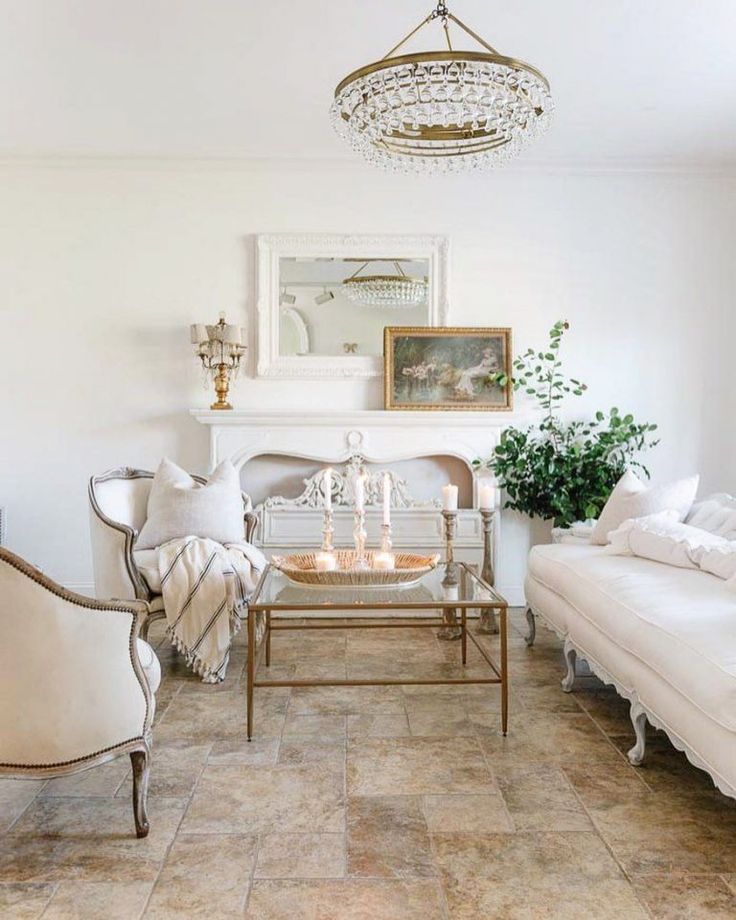
15. Use Mirrors to Expand the Room
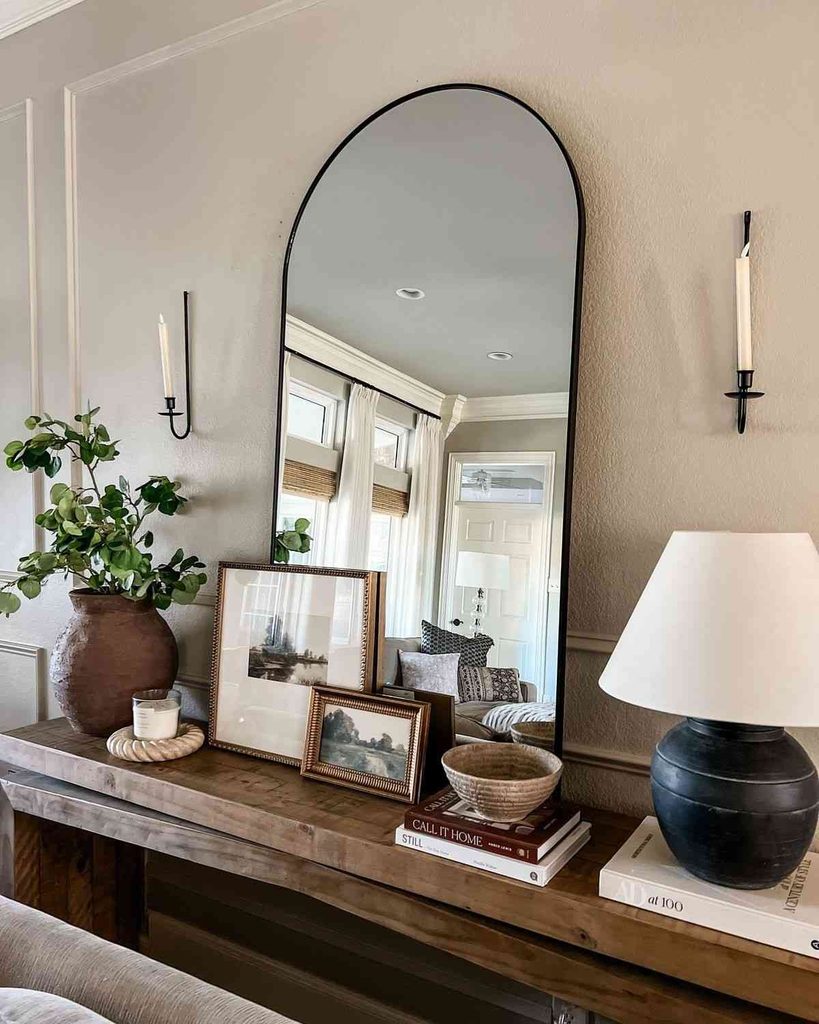
A sofa table positioned against a wall presents an opportunity many homeowners overlook.
A large mirror above or behind the table can completely alter how the room feels.
Beyond reflecting light, mirrors create a sense of depth that makes spaces feel larger and more open.
But the real magic is psychological. A mirror doubles visual information. It creates layers and movement where there was once a flat wall.
The room feels more dynamic because it constantly changes depending on where you’re standing.
A beautiful reflection can become part of the decor itself.